


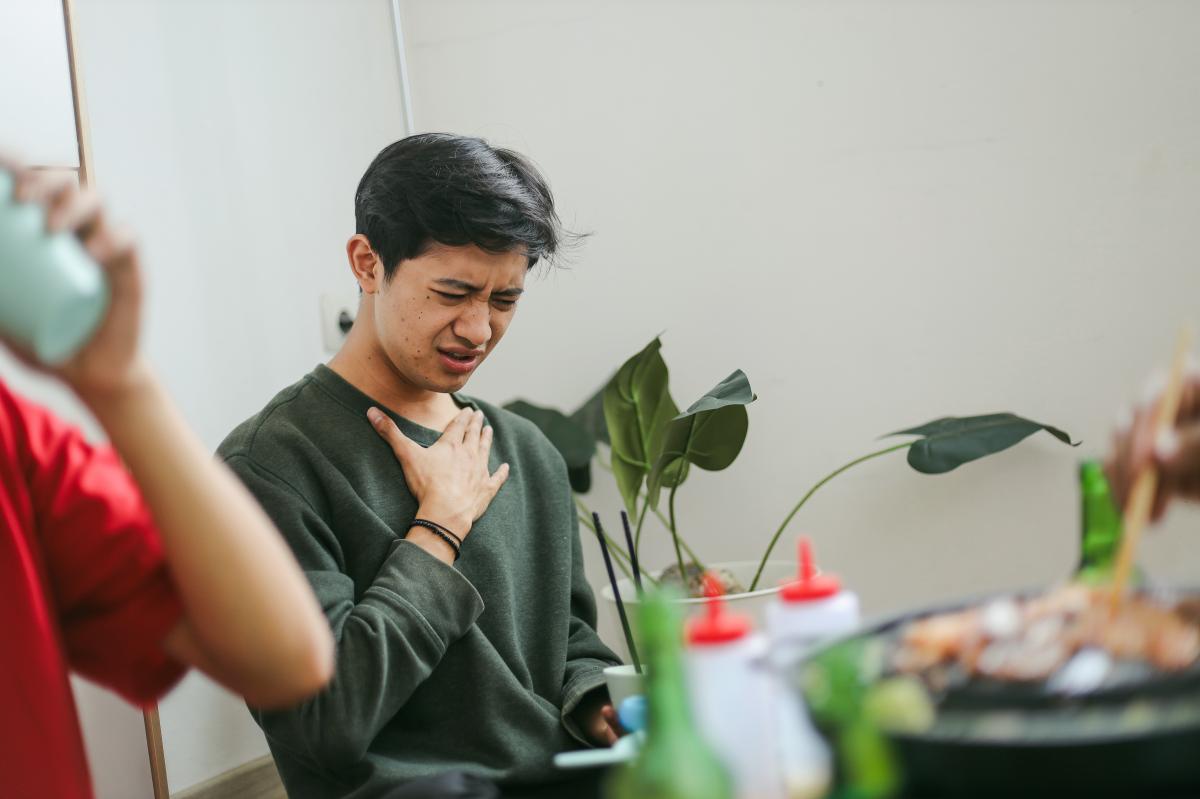
Thanksgiving Choking Hazards: The Risks of Turkey
As families gather to celebrate Thanksgiving, many indulge in a feast that can leave both bellies full and risks high. Among the plethora of holiday foods, turkey stands out not only as a main dish but also as a significant hazard, accounting for about 50% of choking incidents during this festive season.
The Statistics Behind Thanksgiving Choking Incidents
According to a study published in Gastroenterology Report, researchers analyzed emergency room visits between 2001 and 2012. They found that the most frequent choking hazard was turkey, particularly on Thanksgiving Day. The research revealed:
- Turkey caused 50% of choking incidents.
- Chicken accounted for 29% of cases.
- Beef was responsible for 21% of choking emergencies.
Notably, men around the average age of 58 were identified as the demographic most at risk, with incidents typically occurring in the lower third of the esophagus, known for its role in transporting food to the stomach.
Why Turkey is a Choking Hazard
So, what makes turkey such a dangerous dish during the holidays? There are several contributing factors:
- Increased Meal Size: Holiday gatherings often lead to larger portion sizes and a greater volume of food consumed in one sitting.
- Eating Speed: The festive atmosphere encourages quicker eating, which can lead to inadequate chewing.
- Alcohol Consumption: Higher alcohol intake, often associated with holiday celebrations, can impair swallowing reflexes.
- Distractions: Conversations and distractions during meals can increase the likelihood of choking, particularly if individuals talk while chewing.
- Dental and Salivary Issues: Older adults may face challenges with saliva production or dental health, making swallowing more difficult.
Avoiding Choking Accidents
To steer clear of a hospital visit this Thanksgiving, experts recommend some preventive measures:
- Take smaller bites of food.
- Chew food thoroughly before swallowing.
- Avoid talking while eating to minimize distractions.
Responding to Choking Incidents
If choking does occur, the standard treatment involves a procedure known as flexible esophagogastroduodenoscopy. This method uses a thin, flexible tube equipped with a camera to examine the esophagus and stomach, helping to identify and remove the obstruction.
During treatment, a technique termed the push method is often employed. This involves gently pushing the food blockage into the stomach using the endoscope. If the push technique fails, alternatives may include the pull technique, which extracts food from the mouth, or a combination of both methods.
Conclusion
As families prepare their Thanksgiving meals, it is crucial to remain aware of the choking risks associated with turkey. By practicing safe eating habits, individuals can ensure a holiday marked by joy and celebration rather than emergency room visits.
