


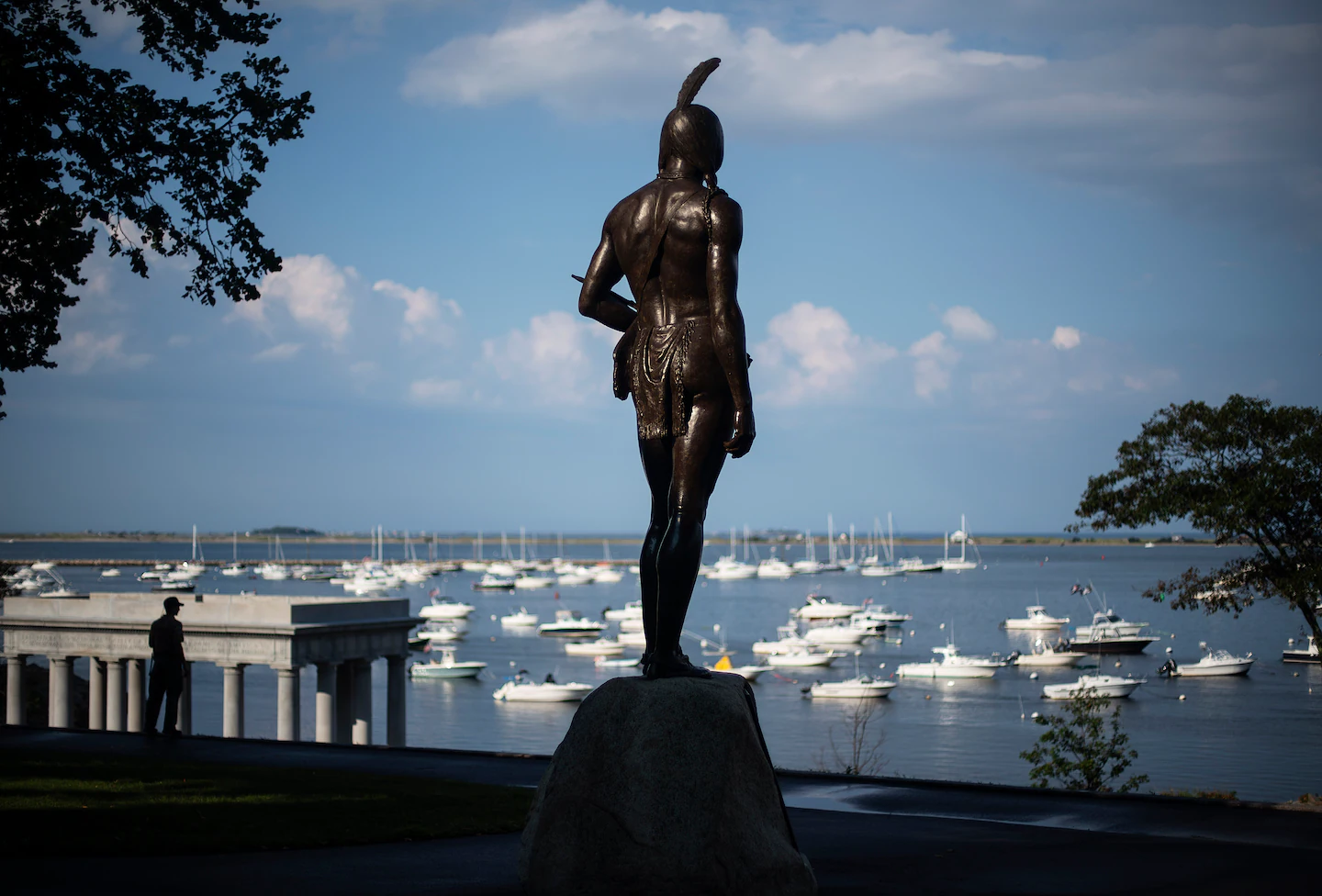
Commemorating the 400th Anniversary of the First Thanksgiving
As the calendar year turns towards late November, a poignant historical event comes to mind—the 400th anniversary of the first Thanksgiving. This commemoration offers an opportunity to reflect on the foundational moments of American history and the spirit of gratitude they embody.
A Personal Experience at Plymouth Rock
Five years ago, I visited Plymouth, Massachusetts, the site famously associated with the Pilgrims’ arrival in 1620. During this visit, I observed a large gathering of visitors at Plymouth Rock, eager to catch a glimpse of this historic landmark. Tourists were lined up, anticipating a storytelling session led by a knowledgeable park ranger.
The Significance of the Pilgrims’ Arrival
The stories recounted by the ranger highlighted the challenges and triumphs faced by the Pilgrims as they established one of the earliest colonies in America. Their journey across the Atlantic, in search of freedom and new opportunities, has become an integral part of America’s cultural narrative.
Embracing Historical Reflection
Each year, Thanksgiving serves as a reminder not only of the feast shared by the Pilgrims and Native Americans but also of the broader themes of perseverance, community, and gratitude that resonate to this day. Engaging with these historical narratives allows us to honor the past while fostering a deeper understanding of the present.
Visiting such landmark sites and participating in commemorative events can enhance our appreciation for the diverse experiences that have shaped the nation. By reflecting on these moments, we contribute to the ongoing dialogue about heritage and identity in America.
Conclusion
The 400th anniversary of the first Thanksgiving is more than a historical milestone; it is an opportunity to engage with the past actively and to rediscover the values of community and gratitude that are still relevant today. As we gather each November, let us remember the Pilgrims’ journey and the enduring lessons of resilience and hope.
