


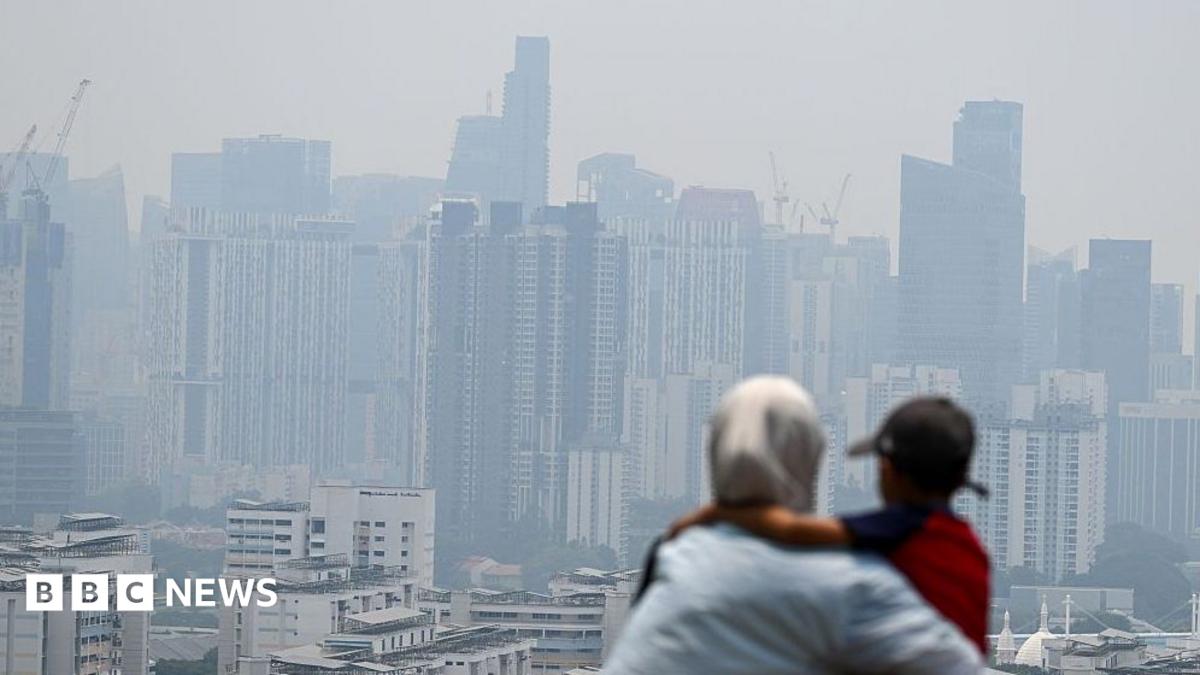
Indonesia’s Response to Severe Forest Fires
In recent months, Indonesia has faced its most severe wildfires since 2015, driven by both natural and human-induced factors. The government is mobilizing extensive resources to tackle this critical issue.
Deployment of Resources
In response to the escalating fires, authorities have dispatched tens of thousands of personnel to six high-priority areas across Kalimantan and Sumatra. These teams are tasked with both ground-based and aerial firefighting efforts, which include:
- Ground firefighting operations
- Cloud-seeding to encourage rainfall
- Water-bombing techniques using helicopters
International Support and Collaboration
The severity of the situation has prompted international assistance, with Japan and Malaysia providing support to Indonesia’s firefighting initiatives. Despite these efforts, the number of hotspots continues to fluctuate, indicating ongoing challenges in controlling the fires.
The Role of El Niño and Human Activity
The current wildfires have been intensified by the ongoing super El Niño phenomenon, which has created unusually dry conditions across the region. Moreover, environmental organizations have highlighted that human activities, particularly illegal slash-and-burn practices, significantly contribute to the situation.
Government Actions and Corporate Accountability
In light of the public outcry regarding the fires, President Prabowo Subianto has pledged to implement stricter measures against corporations allegedly responsible for the blazes. As part of this initiative, the government has:
- Revoked permits for five companies linked to forest and land fires
- Frozen permits for dozens of other entities under investigation
This comprehensive approach aims not just to suppress the immediate threat of wildfires, but also to establish a framework for long-term accountability and sustainability in resource management.
Conclusion
As Indonesia grapples with the dual challenges of extreme weather patterns and human activity, the efforts being put forth serve as a crucial step towards mitigating the impact of wildfires. Ongoing collaboration with international partners and strict regulatory measures will be essential as the country seeks to navigate this complex crisis.