


Federal Court Halts FCC Probe into ABC: A Landmark Decision for Free Speech
A U.S. District Court has issued a temporary injunction preventing the Federal Communications Commission (FCC) from continuing its investigation into the broadcasting licenses of ABC, which is owned by The Walt Disney Company. The ruling comes amid allegations that former President Donald Trump, alongside his FCC Chairman Brendan Carr, unlawfully targeted the network, infringing upon its First Amendment rights.
Background of the Case
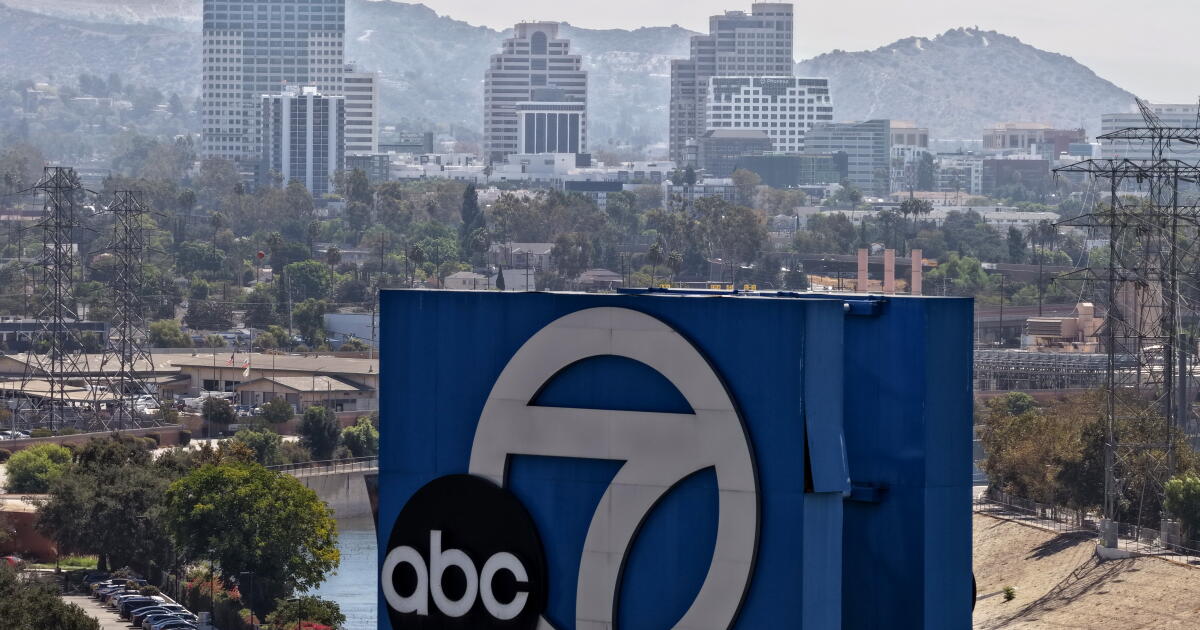
The injunction, granted by Judge Loren L. AliKhan late Wednesday, responds to ABC’s appeal for protection against what it argues is a retaliatory campaign initiated by Trump due to the network’s critical coverage. This decision is notably significant as it safeguards ABC’s operations of various television stations, including KABC-TV Channel 7 in Los Angeles.
Judge’s Findings
Judge AliKhan’s decision was influenced by her evaluation of the circumstances surrounding the FCC’s review, which was launched shortly after Trump expressed dissatisfaction with a comedic segment on ABC’s “Jimmy Kimmel Live!” The judge noted that Trump had made numerous public statements threatening actions against ABC, including the revocation of its licenses.
According to the judge’s findings, “What started in 2020 as questions about how ABC ‘can keep getting a license’…has crescendoed into repeated calls for the Commission to strip ABC’s broadcast licenses for their editorial decisions.” This sentiment reflects a broader concern regarding the potential misuse of regulatory authority to suppress dissent and free speech.
ABC’s Response
Denouncing the FCC’s actions, ABC officials expressed gratitude for the court’s ruling, emphasizing its importance for First Amendment protections. “Today’s decision is an important victory for the 1st Amendment,” commented the network through a formal statement.
Potential Implications for the FCC
The FCC responded to the ruling, with a spokesperson asserting disagreement with the court’s interpretation. The spokesperson emphasized that previous Supreme Court precedents support the agency’s mandate to hold broadcasters accountable for adherence to public interest obligations.
Notably, the review of ABC’s licenses was deemed unusual as none of ABC’s licenses had previously faced revocation, and the impending licenses were not set to expire soon. The extensive and unprecedented nature of the FCC’s probe poses a substantial threat to ABC, jeopardizing the operation of key stations across major markets, including San Francisco, Houston, and Philadelphia.
Chilling Effect on Editorial Freedom
In its lawsuit, ABC argued that the fear generated by the FCC’s scrutiny had already led to alterations in programming decisions. Producing executives reported halting the invitation of political figures to appear on “The View” during a critical election season, a choice motivated by concerns over retribution from Trump and the FCC.
Conclusion and Ongoing Proceedings
While the court order currently prevents FCC actions regarding ABC’s license review, it does not extend to future possible actions, as indicated by the judge’s denial of a blanket injunction. The case remains ongoing, with implications that could potentially escalate to the U.S. Supreme Court, reflecting the ongoing tension between regulatory authority and expressive freedoms.
As the legal battle unfolds, the ruling stands as a significant development in the discourse surrounding media freedom and governmental influence, highlighting the vital role of the judiciary in preserving constitutional rights in times of political strife.
Former President Trump has publicly expressed criticism of ABC and its programming, particularly targeting late-night host Jimmy Kimmel and “The View.”
