


Escalating Tensions: Trump’s Criticism of Ukraine’s Oil Strikes
As the conflict in Ukraine continues to evolve, former President Donald Trump has expressed disapproval of Ukraine’s recent military actions against Russian oil infrastructures. This stance coincides with rising energy prices in the United States as upcoming midterm elections approach.
Ukraine’s Military Strategy Shift
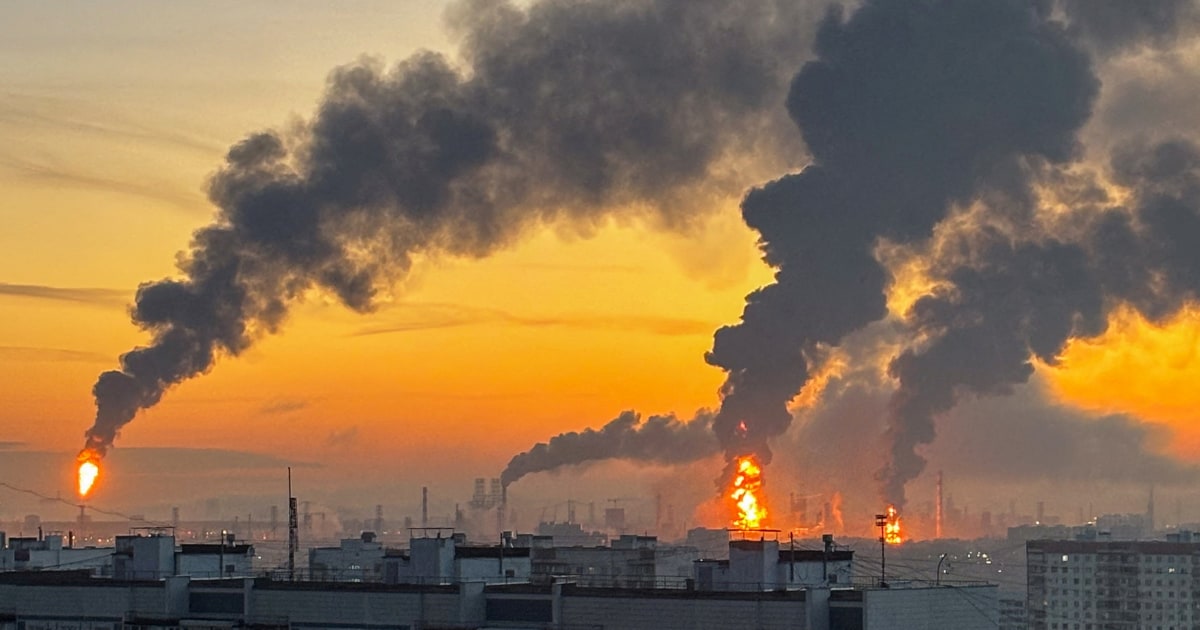
On Thursday, Ukrainian authorities announced the resumption of strikes on Russian oil refineries, which President Volodymyr Zelenskyy attributed to Russia’s ongoing aggression, particularly its attacks on Ukraine’s power grid. This decision signaled a departure from what Trump termed an “energy ceasefire” that had been previously proposed.
In defense of its military strategy, Ukraine highlighted concerns regarding diminishing intelligence support from the U.S., which it believes has left it vulnerable. Furthermore, disruptions to the Starlink satellite communication service have complicated Ukraine’s operational capabilities.
Trump’s Response and Criticism
Reacting to Ukraine’s renewed strikes, Trump criticized Zelenskyy, describing the actions as “a disgrace” and arguing that they would inflate global oil prices. In an interview with Newsmax, Trump said, “If you tell me that Zelenskyy is again shooting at refineries, all he’s doing is making the world oil price higher.” He suggested that alternative targets could be focused on instead.
Trump’s remarks further asserted that he finds Zelenskyy challenging to negotiate with compared to Russian President Vladimir Putin, stating, “I think they actually both would like to see it end, but I think I find Zelenskyy to be more difficult to deal with than Putin.”
International Diplomatic Efforts
While tensions between Trump and Zelenskyy escalated, Zelenskyy was actively seeking support from European allies during a summit in Brussels, referring to them as “real leaders.” His visit reflects Ukraine’s desire for steadfast collaboration as military actions on both sides intensify.
Despite the challenges, Ukraine believe that these strikes could provide leverage for future negotiations. The hope is that a calculated military strategy might bolster Ukraine’s position at the peace table, particularly amidst calls for a resolution from Washington.
Assessment of Recent Developments
Trump’s recent initiatives have raised eyebrows, particularly his announcement of a deal to procure diesel from Russia—a significant policy shift for the U.S. concerning its relationship with Russia and its involvement in the conflict. Meanwhile, concerns have surfaced regarding the continued sharing of critical military intelligence and the operational capacity of Starlink services used by Ukrainian forces.
Ukrainian officials are also taking note of the limitations placed on Starlink’s military version, Starshield, which are crucial for communication and defense operations. This has prompted fears within Ukraine about its future support from the U.S.
Conclusion
The unfolding situation highlights the complexities of international diplomacy amid a war. With Trump urging a halt to Ukraine’s offensive actions and suggesting leadership changes in Kyiv, Ukrainian officials remain vigilant about their support from Western allies. The Kremlin has also echoed Trump’s sentiments, indicating that progress toward a peaceful resolution depends significantly on Ukraine’s willingness to negotiate from a position of perceived weakness.
