


Turkey, Pakistan, and Saudi Arabia Activate Defense Pact Amid Houthi Threats
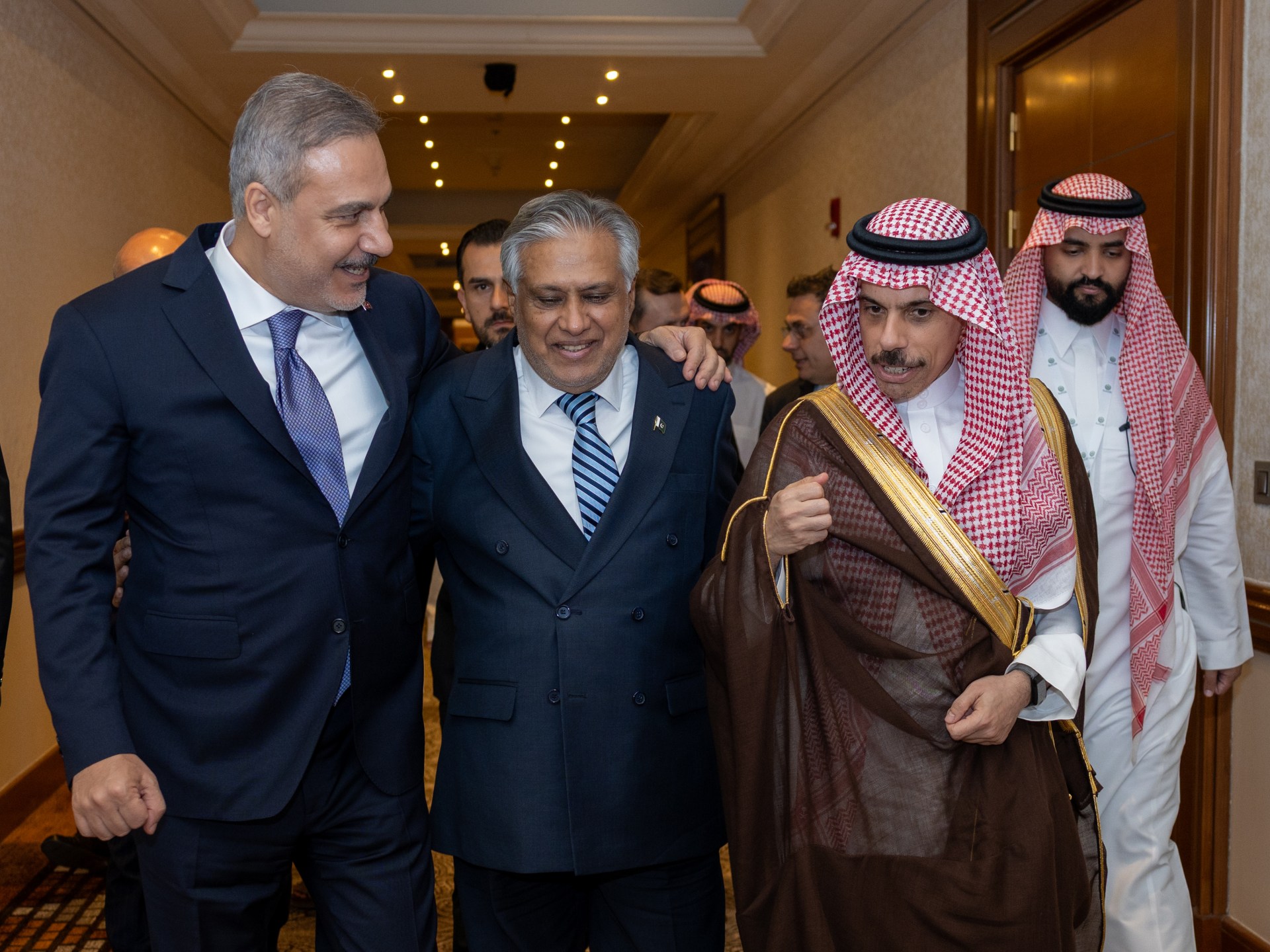
In a decisive move to bolster regional security, Turkey, Pakistan, and Saudi Arabia have announced the activation of “deterrence measures” under their mutual defense agreement, aimed at countering attacks from Yemen’s Houthi rebels. This agreement was formally invoked during an emergency meeting held on Monday in Riyadh, marking a significant step since the pact was signed on August 7.
Details of the Defense Agreement
The mutual defense pact, referred to as the Mecca Alliance for Defence, stipulates that any attack against one of the three nations will be considered an assault on all, akin to a core provision of NATO’s founding treaty. Saudi Arabia’s Defense Minister, Khalid bin Salman, stated, “The committee agreed to activate collective deterrence measures, within the framework of the Alliance, in response to the attacks and all those responsible for them.” He emphasized the solidarity among the nations in addressing threats against Saudi Arabia and its important religious sites.
A subsequent joint statement from Pakistan’s Foreign Ministry indicated that the three countries would arrange military personnel and assets to ensure their rapid deployment to Saudi Arabia when needed.
Context of the Escalation
This announcement comes on the heels of a counteroffensive by Yemeni forces, supported by Saudi Arabia, aimed at reclaiming territory lost to the Iran-aligned Houthis. Recent reports indicate that Yemeni forces have successfully recaptured the port city of Mocha and are exerting control over the critical Bab al-Mandeb strait. Conversely, the Houthis have conducted missile attacks targeting key locations, including Riyadh’s King Khalid International Airport and the Aramco refinery in Rabigh, though Riyadh has not confirmed these Houthi claims.
Structure and Potential of the Mecca Alliance for Defence
The Mecca Defence Alliance emerged in response to escalated conflicts in the region, particularly as a reaction to the tensions involving Iran, Israel, and the United States. The agreement was forged shortly before a renewed offensive by the Houthis in Yemen aimed at Saudi targets.
Collectively, Turkey, Pakistan, and Saudi Arabia possess significant military capabilities, including:
- Approximately 1.4 million active troops
- About 3,400 military aircraft
- 6,000 tanks
- Over 340 naval vessels
While the initial agreement did not specify the extent of each country’s military obligations, ongoing discussions have sought to clarify these responsibilities ahead of potential deployments.
Implications for Regional Security
Prior to this activation, both Pakistan and Turkey had expressed hesitation in fully committing to military action, as they aimed to maintain their roles as mediators in the broader conflict involving Iran. However, recent provocations by the Houthis appear to have expedited the necessity for a coordinated military response.
Abdulaziz Alghashian, a senior non-resident fellow at the Gulf International Forum, highlighted the significance of this alliance activation, stating, “The Houthi attacks and provocations in recent weeks and months really hastened the Mecca alliance.” He asserts that this moment reflects an evolving framework for regional security that had previously been absent.
This activation marks a pivotal juncture in the history of Middle Eastern defense collaboration, potentially reshaping the security landscape in the region.