


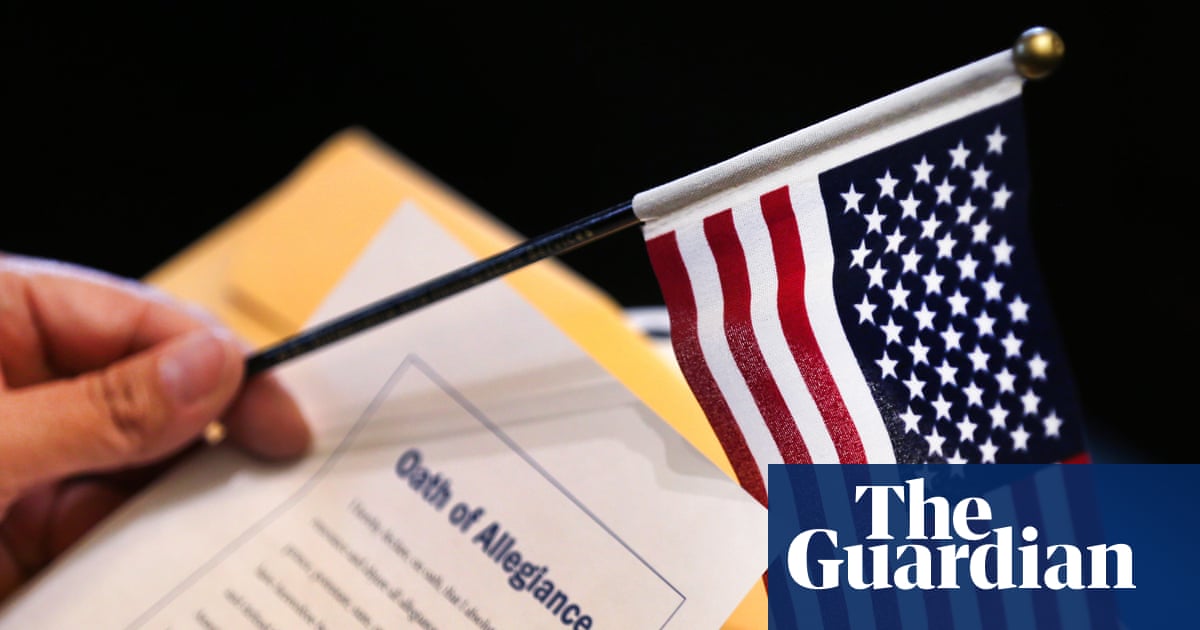
Trump Justice Department Initiates Denaturalization of 40 Naturalized Citizens
The United States Department of Justice, under the Trump administration, has embarked on an extensive initiative to revoke the citizenship of 40 individuals. This marked one of the largest collective actions for denaturalization during Trump’s time in office.
Details of the Denaturalization Actions
On a recent Monday, officials announced that denaturalization proceedings have been filed against these individuals, who are alleged to have committed serious offenses. The crimes cited include:
- Acting as an agent for a foreign government
- Voluntary manslaughter
- Aggravated sodomy against a person with special needs
The requests for denaturalization were submitted to various federal courts between August 21 and October 2. According to the federal Immigration and Nationality Act, naturalized citizenship can be revoked if it was obtained through concealment of key facts or willful misrepresentation.
Government Statements and Background
U.S. Attorney General Todd Blanche remarked that the individuals involved in this announcement “concealed critical facts from the US government and represent serious criminal offenders.” Prior to these developments, it was reported that Trump had encouraged his administration to aggressively pursue denaturalization cases.
In April, a report stated that the DOJ had identified at least 384 foreign-born citizens as potential candidates for denaturalization, indicating a push to widen the criteria for citizenship revocation. Historically, denaturalization cases have been pursued infrequently due to their complexity and cost, with approximately 120 individuals stripped of their citizenship from 2017 to late 2025.
Implementation of Denaturalization Efforts
In the first year of Trump’s second term, the DOJ issued a memorandum to intensify these efforts, including exploring a broader array of qualifying categories for citizenship revocation. This approach aligns with the administration’s broader immigration enforcement strategy.
Profiles of the Individuals Affected
The 40 individuals facing denaturalization hail from a diverse set of countries, including Mexico, China, Iran, Pakistan, and the Philippines. Notably, Jinchao Wei, a former U.S. Navy sailor originally from China, is among those targeted. Wei was convicted in August 2025 on charges including espionage and illegal export of military-related technical data. Prosecutors allege that he plotted to sell military secrets to China while concealing this conduct during his naturalization process, which he completed in May 2022.
Conclusion
The announcement of these denaturalization actions illustrates the Trump administration’s commitment to governmental enforcement of immigration laws and national security measures. As denaturalization proceedings unfold, they are likely to draw significant attention and scrutiny related to their implications for the immigrant community and due process rights.
