


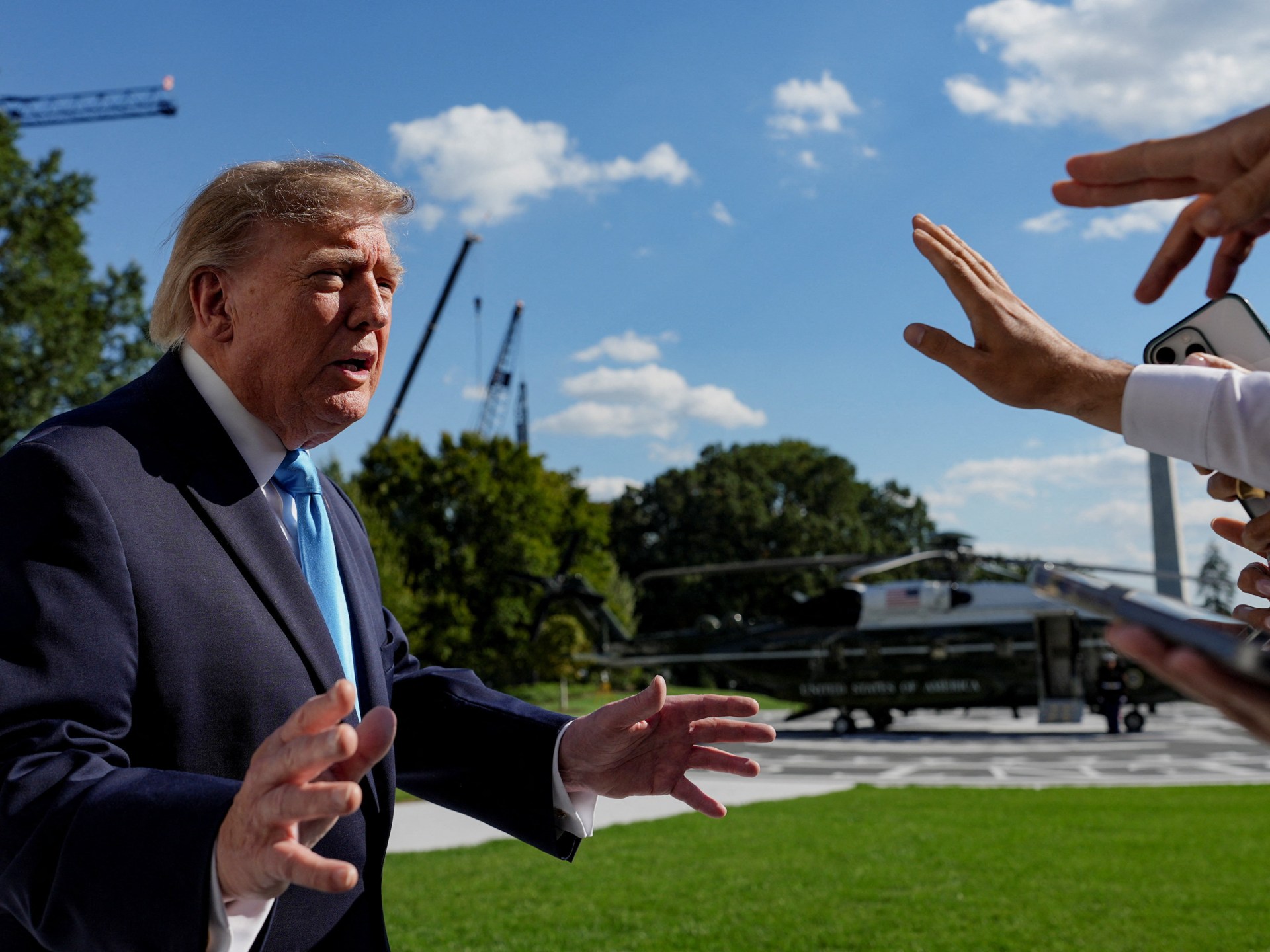
Department of Justice Launches Investigation into Media Coverage Boycott of President Trump
Published on: 11 October 2026
The United States Department of Justice (DOJ) has initiated an investigation concerning the coordinated decision by several television networks to suspend coverage of President Donald Trump last month.
Background of the Investigation
According to a spokesperson from the DOJ, the inquiry aims to determine whether the networks involved have breached federal antitrust laws through their collective boycott. This action followed the White House’s withdrawal of press credentials for reporters from three outlets, including CNN.
Networks under scrutiny include major broadcasters such as ABC, CBS, CNN, NBC, and Fox News. Emily Convington, the DOJ spokesperson, stated, “Group boycotts among commercial competitors can violate the Sherman Act,” referring to the legislation governing antitrust issues.
Key Events Leading to the Boycott
The investigation comes amid ongoing tensions between the Trump administration and various media organizations. Trump has frequently criticized mainstream media, labeling it as “fake news,” and has experienced numerous confrontations with members of the press.
The boycott began when five major television networks opted not to cover presidential events after the administration barred CNN, MS NOW, and Politico from the White House. The White House had previously asserted that access to the president is a “privilege – not a right.”
Legal Implications and Responses
Following the withdrawal of credentials, the affected outlets filed a lawsuit against the administration, claiming that the action infringed upon their First Amendment rights and constituted retaliation for their reporting. On September 24, U.S. District Judge Timothy Kelly ruled in favor of the media, ordering the reinstatement of credentials. Nonetheless, disagreements over access to certain presidential events persist.
In response to the DOJ’s announcement, Jose Zamora, the Americas director for the Committee to Protect Journalists, criticized the government’s investigation, stating, “The government should not use antitrust investigations to intimidate news outlets defending press access. The public’s right to know depends on that access.”
Conclusion and Future Implications
This investigation not only highlights the contentious relationship between the Trump administration and the media but also poses potential legal and financial challenges to these networks. As the DOJ examines the situation, the ramifications of this boycott may impact how media outlets navigate coverage of political events going forward.
