


The Potential Use of MOAB Against Iran: Implications and Insights
Overview of US Military Options
Reports indicate that the United States is considering military actions against Iran, which could involve targeting its energy infrastructure and nuclear facilities using the GBU-43/B Massive Ordnance Air Blast Bomb (MOAB), commonly referred to as the “mother of all bombs.” This consideration arises amid newly renewed tension, despite a current lull in hostilities.
Understanding the MOAB
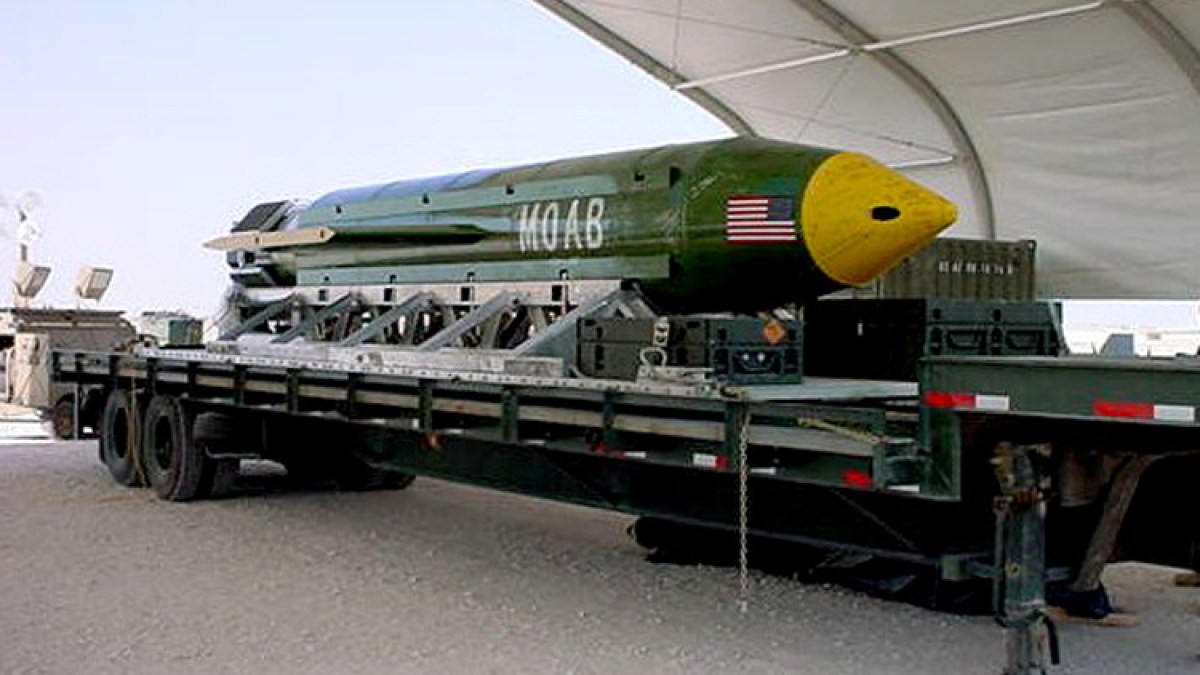
The GBU-43/B MOAB is among the most powerful non-nuclear explosives in the US arsenal, weighing approximately 9,800 kg (21,605 pounds) and containing around 8,500 kg (18,000 pounds) of explosive material. Its length is comparable to that of a small yacht, measuring just over nine meters (30 feet). Typically deployed from aircraft like the Lockheed C-130 Hercules, the MOAB has a unique detonating mechanism that enhances its explosive capabilities.
First manufactured between 2002 and 2003, the MOAB has undergone a dozen successful tests. This bomb gained its nickname following remarks from former Iraqi leader Saddam Hussein during the 1991 Gulf War, which emphasized the scale of military engagement.
Military Experts Weigh In
Discussions among US officials reveal concerns about the effectiveness of the MOAB in achieving strategic objectives against Iran. Analysts, including Elijah Magnier, argue that the bomb is unlikely to impact fortified underground installations, such as those at the Fordow nuclear site and the Pickaxe Mountain complex.
Using the MOAB would not guarantee the destruction of Iran’s deeply buried underground nuclear installations and would likely amount to little more than “political theatre,” said Magnier.
Potential Consequences of Deployment
The deployment of a MOAB would not only escalate the conflict but could also elicit significant retaliatory actions from Iran. Iranian officials have signaled that military strikes could provoke regional instability, including possible incursions into neighboring countries that host US forces. There are warnings that an attack on Iran’s nuclear networks might trigger a robust military response, potentially disrupting political dynamics in the region.
The Damage Capability of the MOAB
The MOAB is engineered to create shockwaves and expansive damage across a considerable area. Designed to explode above ground, it has the capacity to obliterate structures within a one-kilometer radius. However, the effectiveness of the bomb in penetrating deeply buried targets is debated among military strategists, as its blast may not reach targets buried significantly underground.
Colonel Nidal Abu Zeid noted that, while the bomb can create devastating effects above ground, “its intended application demonstrates less capability against every underground installation.” For targets entrenched in concrete or rock, specialized bombs like the GBU-57 Massive Ordnance Penetrator may be more effective.
Evaluating the Strategic Choice
While the MOAB has proven its destructive capabilities in previous conflicts, debate continues over its application against Iran’s nuclear installations. Issues such as deployment logistics, the actual territorial effectiveness of the bomb, and the potential for geopolitical repercussions highlight the risks involved. Military experts urge reconsideration of this strategy in favor of alternatives that may yield more tangible results in achieving political objectives.
“What will this weapon accomplish that another available weapon cannot, and how will that result advance an achievable political settlement?” Magnier posed, emphasizing the need for clarity in military tactics.
Iran’s Anticipated Response
The prospect of a MOAB strike raises the likelihood of a robust Iranian response, potentially aimed at US interests in the region. Iranian military officials have indicated that U.S. military actions could provoke Iran to retaliate, which might include targeting American troops stationed nearby or conducting offensive operations against allied nations.
