


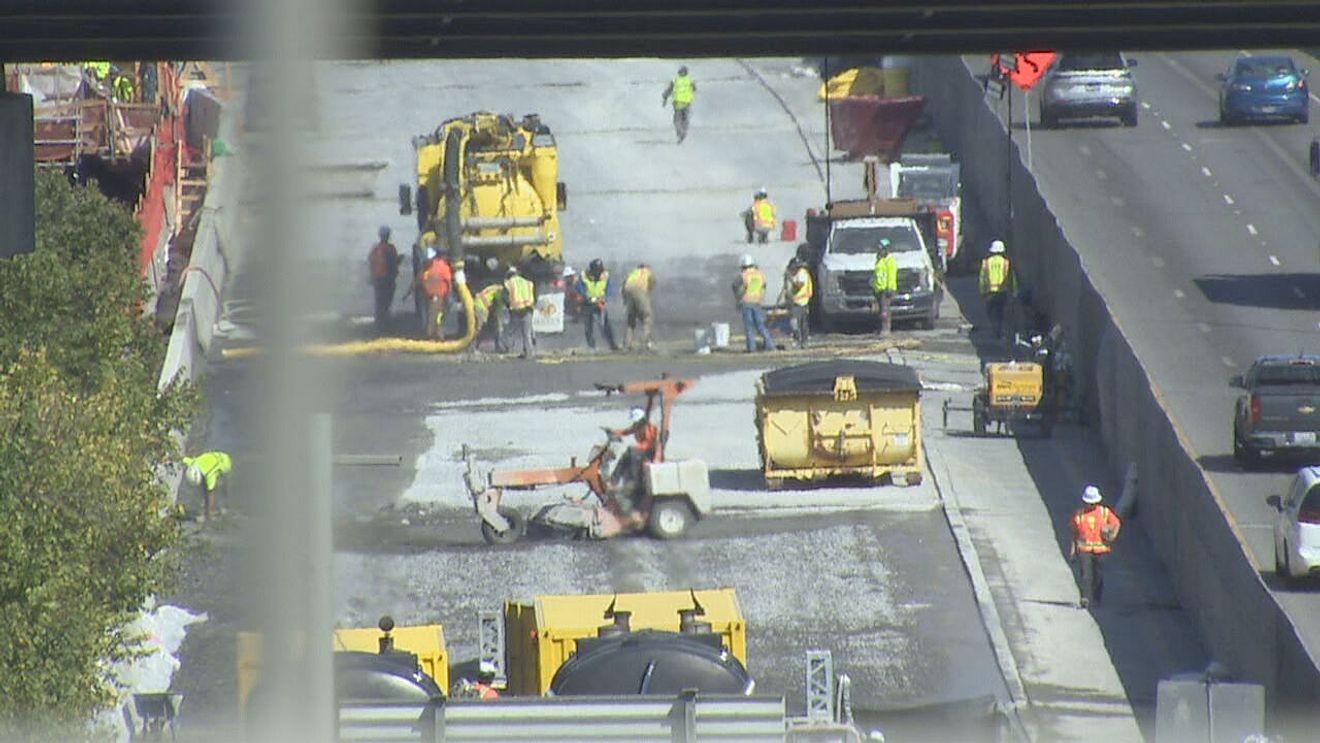
ODOT Faces Funding Challenges Despite $6.3 Billion Budget
SALEM, Ore. (KATU) — The Oregon Department of Transportation (ODOT) is confronting a significant funding crisis, even with a two-year budget of approximately $6.3 billion.
The Funding Debate
As discussions approach the next legislative session, much focus is being placed on whether the issue stems from insufficient revenue or the allocation of existing funds. In a clear indication of public sentiment, voters in Oregon rejected a proposed transportation tax and fee increase earlier this year, prompting state leaders to reassess the long-term financial sustainability of ODOT.
Understanding the Structural Deficit
Former ODOT Director Kris Strickler has previously highlighted that the funding woes extend beyond mere budget shortfalls. In an interview, he characterized the situation as a “structural deficit,” revealing concerns that revenue streams are potentially stagnating or declining.
ODOT’s Budget Breakdown
The current budget allocation reveals critical insights into ODOT’s financial priorities:
- Project Delivery and Support: 35% for major preservation work, bridge improvements, and capital projects.
- Public Transportation: 11% of the budget.
- Local Government Allocations: 7%.
- DMV Services: 6%.
- Commerce and Compliance: 2%.
- Administrative Services and Policy Analysis: 20% combined.
- Maintenance: Approximately 10%.
- Interstate Bridge Replacement Program: 7%.
Concerns About Maintenance Funding
Criticism has emerged from Republican leaders who assert that the current administration is not allocating sufficient resources toward maintenance. Over the past decade, the percentage of the budget dedicated to maintenance has decreased from about 12.4% in the 2015-17 biennium to roughly 10% in the current cycle, despite the budget nearly doubling in size.
If maintenance had retained the same share this biennium as it did a decade ago, it would equate to over $780 million rather than the allocated $630 million.
The Decline of Gas Tax Revenue
As noted by transportation-funding experts, dwindling gas-tax revenues, a historically significant source of funding, are a major factor in ODOT’s financial struggles. Camila Fonseca-Sarmiento, director of fiscal research at the University of Minnesota’s Institute for Urban and Regional Infrastructure Finance, observed that gas-tax contributions have decreased from nearly 40% of total revenues to about one-third.
Legal Restrictions on Funding Flexibility
ODOT officials indicate that a substantial portion of their budget is legally constrained, making it challenging to shift funds across programs without legislative endorsement. As a result, merely cutting down on capital projects will not adequately resolve the maintenance funding gap, according to agency representatives.
An ODOT spokesperson reiterated that broader cuts to various projects would be necessary to stabilize maintenance funding levels, stating, “The issue is caused by flattening gas tax revenues, high inflation, and legal restrictions on available funding.”
Political Influence on Future Funding
The upcoming November elections are poised to influence the debate surrounding transportation funding. Changes in the governor’s office or the balance of power within the Oregon Legislature could significantly affect the approval process for new taxes.
Governor Tina Kotek emphasized the importance of maintaining the state’s transportation system for public safety, stating that “the cost and danger of letting our existing transportation system fall into disrepair are too high.”
Meanwhile, Republican gubernatorial candidate Christine Drazan pledged to bring effective leadership to ODOT, focusing on timely project delivery and responsible management of state resources.
