


World Food Day: Addressing Hunger and Food Waste Globally
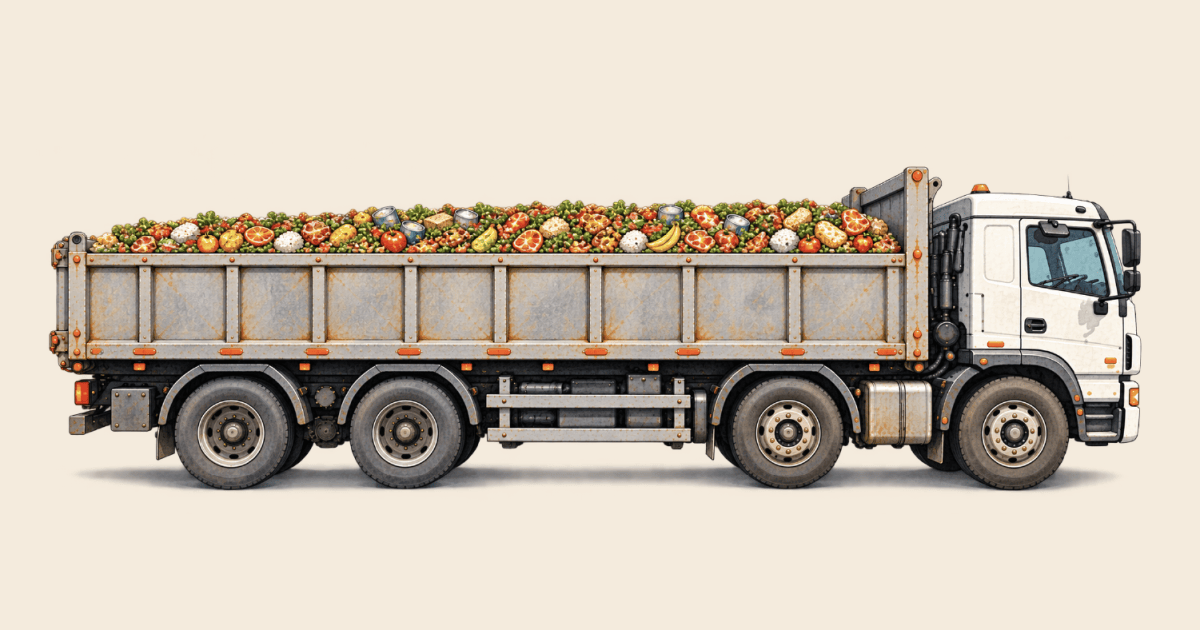
Every year, approximately 1 billion tonnes of food, equivalent to one in five plates served globally, is wasted. This alarming statistic coincides with the ongoing challenge of hunger, particularly affecting 645 million individuals worldwide in 2025, as reported by the United Nations.
On October 16, the world celebrates World Food Day, commemorating the establishment of the Food and Agriculture Organization (FAO) in 1945. The 2026 theme, “Innovate today, nourish tomorrow,” emphasizes the urgent need for food systems that can better serve populations while minimizing waste.
The Current State of Global Hunger
Though global hunger rates have shown a gradual decline over the past three years, they still surpass the figures seen prior to the COVID-19 pandemic. The latest UN report noted that in 2025, about 7.8% of the global population faced hunger, a reduction from 8.1% in 2024 but still affecting 61 million more individuals than in 2019.
The concentration of hunger is particularly severe in Africa, where approximately 309 million people are undernourished, representing one in five residents. Comparatively, Asia has about 292 million undernourished individuals, while Latin America and the Caribbean account for 32 million.
Regional Hunger Disparities
The 2026 Global Hunger Index reveals that eight countries are classified as having alarming levels of hunger, with seven located in Africa. Somalia ranks as the most affected nation, followed by the Democratic Republic of the Congo, Chad, Madagascar, and others. The presence of conflict in regions like Sudan and South Sudan complicates the measurement and understanding of hunger levels.
The Scale of Food Waste
Food waste occurs at various stages throughout the food supply chain. The FAO estimates that about 13% of global food production is lost between harvest and retail due to spoilage during storage or shipment. Fruits and vegetables are particularly prone to such losses, which collectively amount to over $400 billion each year.
Furthermore, consumer behavior contributes significantly to food waste, with households discarding approximately 60% of the wasted food, and restaurants and stores accounting for the remainder. This adds up to roughly 1.05 billion tonnes of food wasted in 2022, an immense environmental and economic loss.

Strategies for Reducing Household Food Waste
Addressing food waste begins at home. Here are effective strategies individuals can adopt to minimize waste:
- Plan Meals: Assess existing food supplies, create a weekly meal plan, and shop with a focused grocery list.
- Decipher Date Labels: Recognize that “use by” dates indicate safety while “best before” dates relate to quality.
- Proper Food Storage: Maintain refrigeration at 5°C (41°F) and store fruits and vegetables to minimize spoilage.
- Utilize Freezing: Freeze surplus items like bread, cooked meals, and some fruits and vegetables to extend their shelf life.
- Banish Leftovers: Measure appropriate portion sizes to avoid excess, and incorporate leftovers creatively into new dishes.
- Compost Inedibles: Compost food scraps to reduce landfill waste and mitigate methane emissions.
Food Waste by Country: A Global Overview
Globally, the average individual discards around 132 kg (291 pounds) of food annually, with at-home waste accounting for the majority (79 kg or 174 pounds). However, the rate of waste differs significantly from country to country; for instance, the Maldives leads in per capita food waste, at roughly 260 kg (573 pounds) yearly.
Following closely are Syria, the Dominican Republic, Seychelles, Mexico, and Tunisia, all exceeding 210 kg (463 pounds) per person. In contrast, countries like Spain report much lower waste levels, at approximately 39 kg (86 pounds) each.
The Economic and Environmental Costs of Food Waste
The economic impact of food loss and waste exceeds $1 trillion annually, underlining the profound losses associated with food that is never consumed. Furthermore, this waste utilizes an estimated 1.4 billion hectares (3.5 billion acres) of agricultural land, making up 28% of the world’s farmland.
Additionally, food waste is responsible for generating 8 to 10% of global greenhouse gas emissions, a significant consideration in addressing climate change and environmental sustainability.
As nations strive towards a more sustainable food future, it becomes imperative to innovate our food systems, ensuring that both the hungry are nourished and food waste is vastly reduced.