


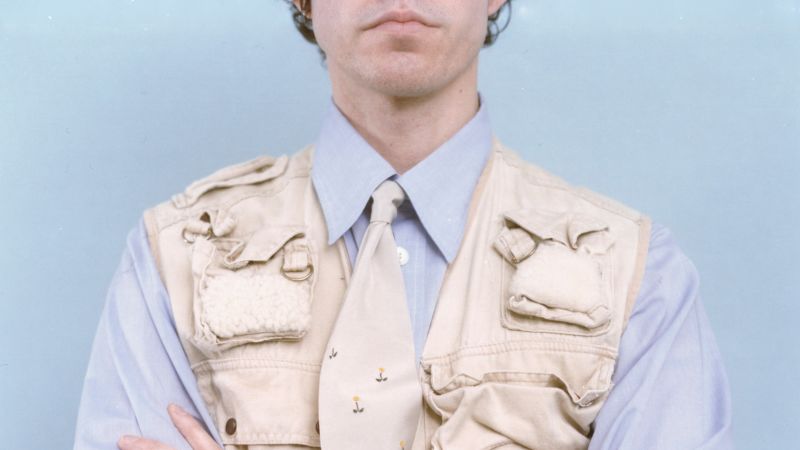
The Enduring Influence of Workwear on Modern Fashion
The Allure of Workwear in Contemporary Attire
In today’s workforce, approximately 70 million Americans are likely to spend their day behind a desk. Despite this, the allure of workwear—clothing traditionally associated with manual labor—continues to captivate designers and consumers alike.
A Shift in Workforce Dynamics
Between 1910 and 2000, there was a dramatic decline in blue-collar jobs, which fell from 76% to only 25% of the United States workforce. Nevertheless, the stylistic elements of workwear remain prevalent, as evidenced by the popularity of chore jackets, cargo pants, and heavy-duty footwear in both retail settings and high fashion.
The Roots of Workwear Fashion
The term “workwear” encompasses a variety of clothing styles more extensive than one might initially think. David Hellqvist, in his forthcoming book titled Blue Collar Modernism, delves into the connections between renowned fashion labels and their historical occupations. For instance:
- Jeans originated in the 19th-century Californian mining industry, designed for durability and utility.
- Small copper rivets, commonly found at the seams of denim jeans, were patented in 1873 to prevent tearing and increase longevity.
- Dr. Martens boots were inspired by military footwear, emphasizing practical design.
- Barbour’s waxed jackets, which have become fashionable, were initially crafted as protective outwear for fishermen and sailors starting in 1894.
Conclusion: The Cultural Legacy of Workwear
The persistent popularity of workwear in modern fashion illustrates a cultural legacy that transcends the declining blue-collar workforce. Its infusion into everyday attire suggests a lasting appreciation for the values of durability, functionality, and a nod to historical craftsmanship in fashion.
