


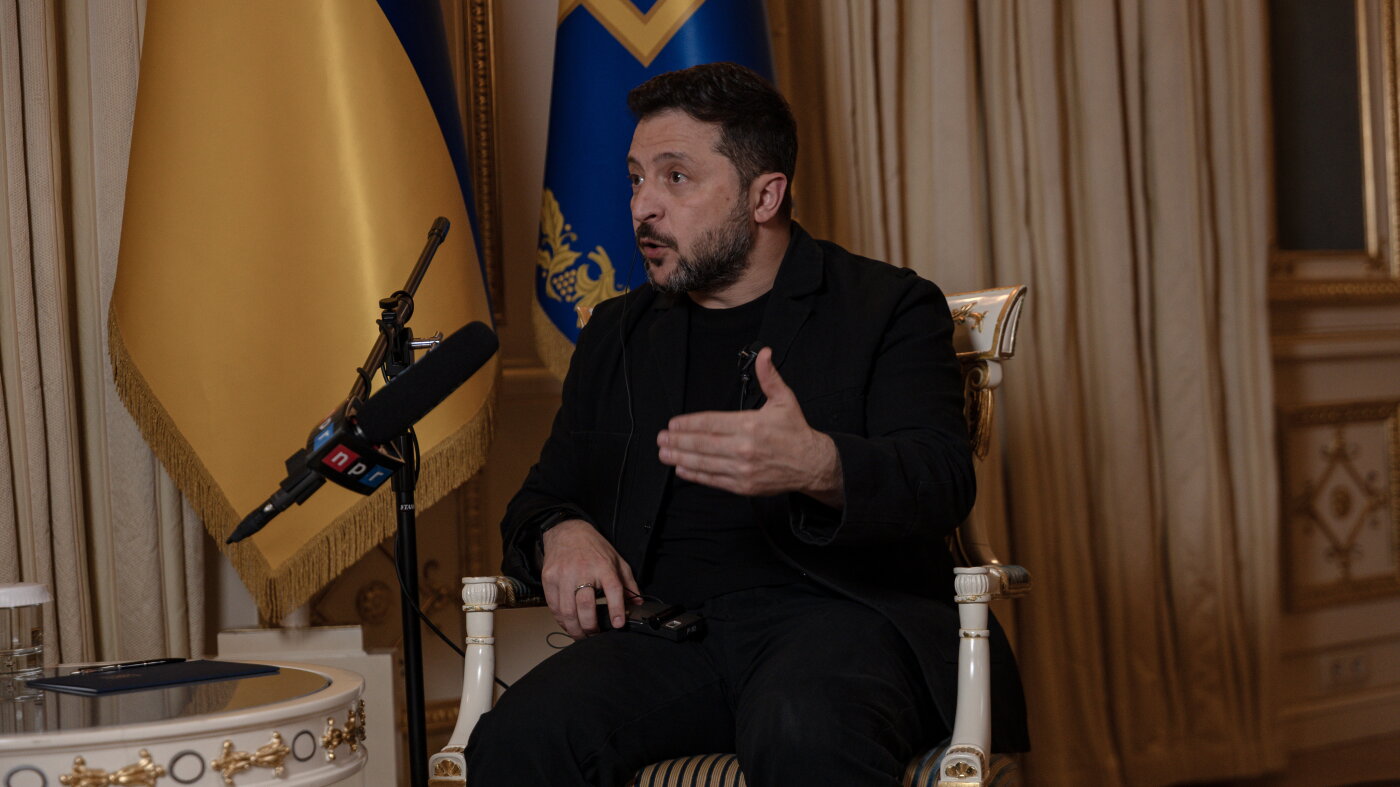
Zelenskyy Addresses U.S. Policy and Fuel Prices Amid Ongoing Conflict with Russia
During a recent interview with NPR in Kyiv, Ukrainian President Volodymyr Zelenskyy revealed critical information regarding the Trump administration’s stance on intelligence-sharing and sanctions related to the ongoing war with Russia. This conversation comes as the conflict nears the five-year mark with renewed attention from the U.S. government to resolve the situation.
Intelligence Sharing and Sanction Easing
Zelenskyy indicated that the Trump administration has expressed the possibility of cutting off intelligence-sharing with Ukraine unless Ukrainian forces halt their long-range drone attacks targeting Russian oil refineries. This situation raises concerns about Ukraine’s ability to sustain its military operations effectively.
Fuel Prices and Sanctions
In the discussion, Zelenskyy criticized Trump’s recent decision to lift sanctions on Russian diesel exports, asserting that it would not have the intended effect of lowering fuel prices. He noted that the rising prices are primarily due to international tensions, specifically the conflict in Iran and its impact on vital shipping routes.
“Mostly people in the world know why their prices on any kind of energy, including diesel, raised up, why they increased. Because of Hormuz. Yes. Because of blocking the Strait of Hormuz,” Zelenskyy explained.
In the U.S., average diesel fuel prices are currently around $6.27 per gallon, significantly higher than in previous years, which adds a layer of complexity to the political conversation surrounding fuel sanctions.
Tightening Relations and Responses
The tensions between Zelenskyy and Trump resurfaced following Trump’s concession to Moscow concerning sanctions, which Zelenskyy described as a “weak decision by strong partners.” In turn, Trump suggested it might be time for Ukraine to seek different leadership to navigate negotiations for peace with Russia.
The Situation on the Ground
Zelenskyy shared that Ukraine continues to target Russian energy and logistics facilities to diminish the Kremlin’s military capacity. He emphasized that Ukraine is committed to pursuing victory and will not cease its operations unless Russia ceases its attacks on Ukrainian infrastructure.
“Putin doesn’t respond to diplomacy,” Zelenskyy stated. “He understands force.”
Future Diplomatic Efforts
Despite Trump’s claims of a potential energy ceasefire agreement between Russia and Ukraine, Zelenskyy expressed surprise at learning of this development through social media. He insisted that any peace must be substantiated by real changes on the ground rather than mere announcements.
