


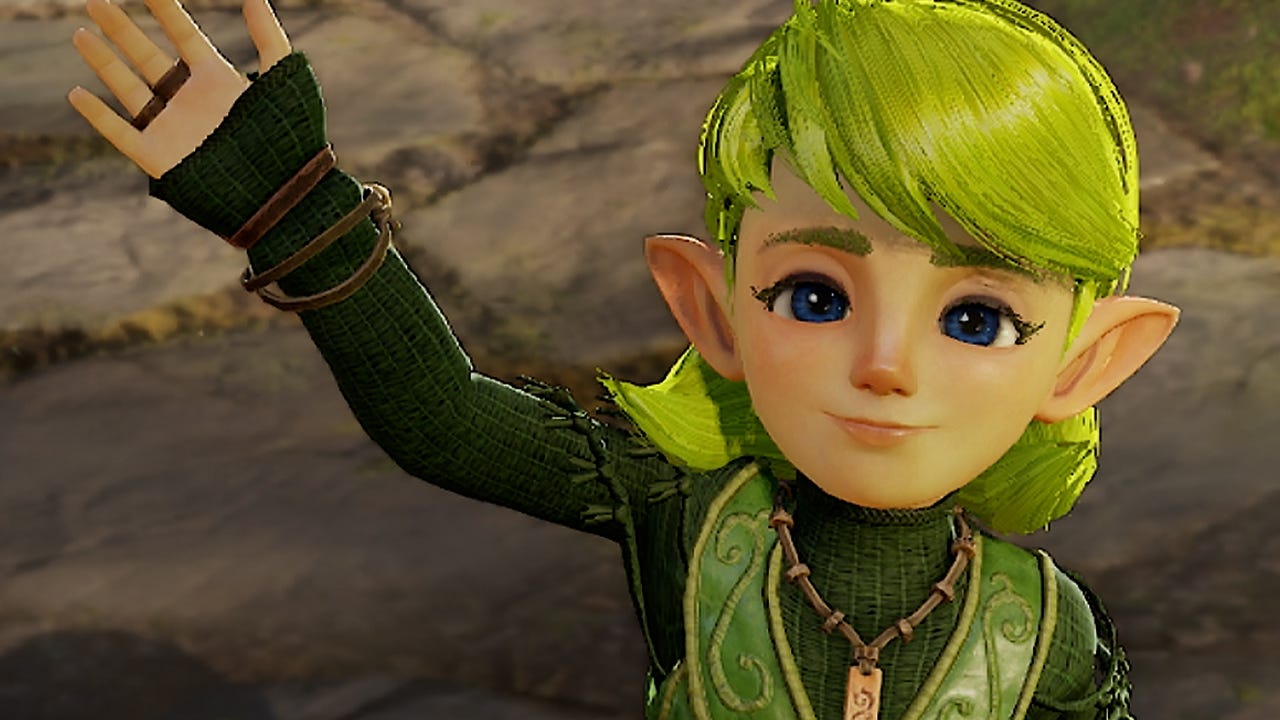
The Legend of Zelda: Ocarina of Time Remake — Key Changes and Features
The upcoming release of The Legend of Zelda: Ocarina of Time for the Switch 2 is generating significant excitement among fans. After an extensive preview session, several noteworthy modifications from the original Nintendo 64 version have been identified. Below, we explore these changes across various game areas, providing insights into how they enhance gameplay and player experience.
Kokiri Forest Enhancements
- Link begins with an expanded rupee capacity, allowing a maximum of 200 rupees, an increase from the original limit of 99.
- Jumping on the stone platforms near the Kokiri Forest shop now yields additional blue rupees instead of just five secret rupees.
- A new scarecrow training dummy has been introduced to the right of the shop counter, facilitating a tutorial on defense mechanisms.
- The process to acquire the Kokiri Sword has been revamped. Instead of a hidden chest, the sword is now on a higher platform, requiring players to jump to reach it.
Changes Inside the Great Deku Tree
- In the slingshot room, a formerly disappointing treasure chest now holds Deku Nuts instead of a recovery heart.
- Skulltula enemies now exhibit altered attack patterns. Hitting them exposes their vulnerable underbelly, making players engage strategically to exploit weaknesses.
Updates in Hyrule Field
- Lon Lon Ranch appears less fortress-like, seamlessly integrated into the environment, offering better visibility of the grazing horses from outside.
- The presence of Peahat enemies has been increased, indicating a more populous Hyrule Field landscape.
- A cracked floor segment hints at a hidden area, contrasting with the previous hidden entrances that were almost invisible.
- A prominent new sign by the Castle Town gate directs players to major landmarks in Hyrule Field, deviating from the anticipated lore content.
Castle Town Modifications
- The Castle Town experience now features free camera control in a third-person perspective, eliminating fixed camera angles and loading barriers as players navigate to the Temple of Time.
- Players can encounter a new NPC at their first visit, a blonde woman who advises caution with money amidst the market’s temptations.
Refinements in the Forest Temple
Warning: Some significant puzzle changes are discussed below.
- The entrance to the Forest Temple now requires targeting a hookshot mechanism rather than aiming at a tree branch.
- A newly introduced elevator after complex block puzzles allows quicker traversal for subsequent visits within the Temple.
- Floormasters are now visually indicated by a colored spotlight, enhancing gameplay awareness.
- Fight scenarios with Stalfos have been restructured to replace a hazardous drop with a shallow acid pool, maintaining challenge while improving logic in the environment.
- Room aesthetics within the Temple have been modified, featuring distinct color themes for red and blue Poes, improving navigation and reducing confusion.
- Multiple puzzles have received redesigns, including the removal of spinning platforms for simpler torch challenges and added guard rails in specific areas of the dungeon.
- The encounters with final Poes have been diversified, eliminating previously time-restricted challenges in favor of more engaging combat experiences.
General Improvements Across the Game
- Expanded character dialogues enrich interactions, with NPCs showing greater familiarity with Link and his adventures, enhancing storytelling elements.
- The spell-casting mechanics for Din’s Fire now allow real-time execution, changing the dynamics of combat strategy.
- A quick-access songbook enables easier management of Ocarina melodies, improving gameplay fluidity.
- The inventory interface has been redesigned to include an additional bottle slot, bringing the total to five.
- Enhanced targeting indicators for the hookshot provide visual feedback, changing reticle colors when aligned for a shot.
- A lightweight quest log offers narrative flavor and guidance, framed like an epic legend, without being intrusive.
- The background music has been reorchestrated, providing a fresh auditory experience while retaining the beloved themes from the original.
With the release date set for November 5, anticipation for The Legend of Zelda: Ocarina of Time remake continues to grow. This immersive retelling aims to blend nostalgia with modern enhancements, promising players a reinvigorated journey through Hyrule.
