


Middle East Tensions: Diplomatic Efforts and Increased Attacks
Lebanon and Iran Join Forces for Diplomatic Solutions
In an urgent phone call, Lebanese President Joseph Aoun engaged with Iranian Foreign Minister Abbas Araghchi to evaluate the escalating situations within the Middle East. Highlighting the necessity for diplomatic resolutions, both leaders emphasized the importance of addressing the conflicts through dialogue, according to a statement from the Lebanese presidential office.
This communication occurs amidst ongoing hostilities, particularly involving the Iran-backed Hezbollah group and its confrontations with Israel on Lebanon’s southern border. The Lebanese government has been striving to mediate the conflict with various ceasefire agreements, which have largely been overlooked by Hezbollah.
Furthermore, Iranian Deputy Foreign Minister Saeed Khatibzadeh is currently visiting Lebanon to engage with several factions. His visit aligns with the Iranian news outlet IRNA’s report that he will hold discussions aimed at enhancing bilateral relations and fostering cooperation.
Heightened Hostilities in the Strait of Hormuz
Recent events in the Strait of Hormuz have further heightened regional tensions. A British maritime agency reported attacks on two vessels, causing minor damage after being struck by unidentified projectiles. This incident marks the fourth such attack in one day, underscoring the precarious situation in this critical shipping lane for Gulf energy exports.
Iranian forces and U.S. naval presence continue to conflict over control of the waterway, with Tehran frequently targeting vessels perceived as infringing on its maritime rights. On the same day, reports emerged of a commercial cargo ship sinking after hitting a naval mine, a situation that also reflects the growing risks in these waters.
Houthi Attacks on Saudi Arabia’s Infrastructure
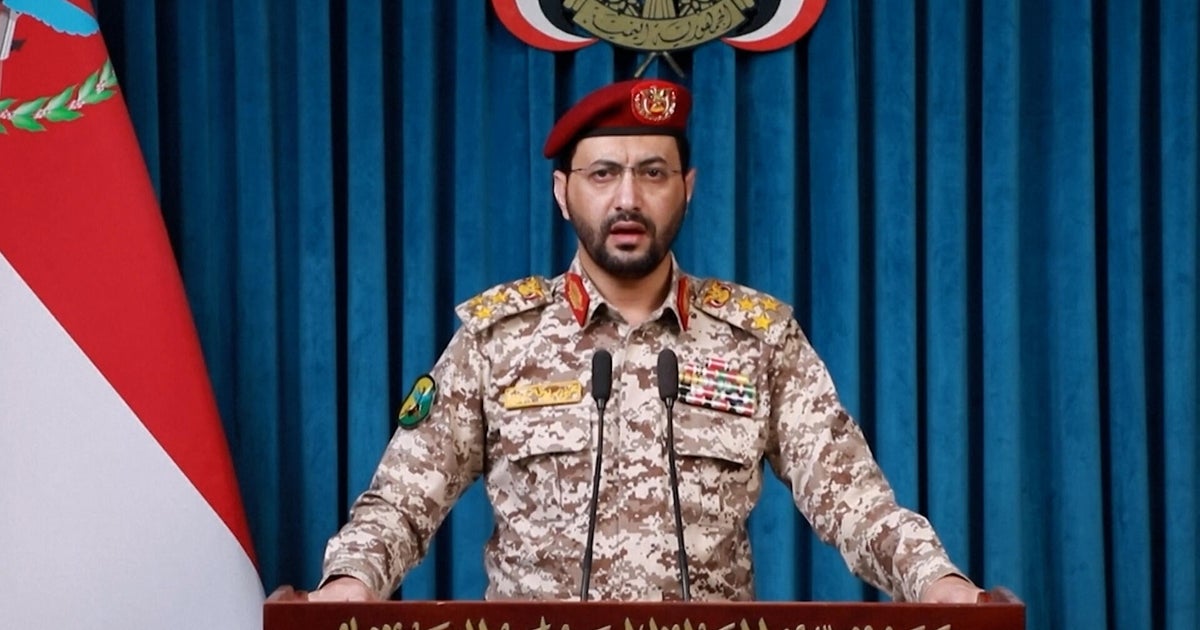
The Houthi rebels in Yemen have escalated their military operations, threatening to intensify attacks on Saudi Arabia’s airports and oil facilities. Brig. Gen. Yahya Saree, the spokesperson for the Houthis, announced their continued assaults are a retaliatory measure against Saudi actions in Yemen, urging civilians and businesses in targeted areas to evacuate.
Esteemed sources confirm that Saudi Arabia’s military forces successfully intercepted a ballistic missile aimed at Riyadh, following a series of missile attacks in the city. Residents reported explosions in the capital, attributed to the debris from intercepted projectiles, which injured several individuals.
Additionally, the Saudi coalition has confirmed airstrikes on oil installations within Yemen, marking a direct response to the extensive Houthi threat that has disrupted stability in both regions.
Conclusion
The Middle East remains on edge as diplomatic conversations attempt to curb the rising tensions while military engagements continue. The ongoing conflicts involving Hezbollah, the Houthis, and the maritime struggles in the Strait of Hormuz illustrate the complexities of the region’s geopolitical landscape, demanding continued attention from the international community.