


Strait of Hormuz: Rising Tensions and Stranded Sailors Amid Attacks
Escalating Attacks on Commercial Shipping
The International Maritime Organization (IMO) has issued an urgent warning as thousands of sailors find themselves stranded near the Strait of Hormuz. Tensions have escalated significantly following a series of attacks on commercial vessels, with reports indicating that around 24 ships have been targeted in just two weeks.
Warning from Maritime Officials
Arsenio Dominguez, the Secretary-General of the IMO, emphasized the severity of the situation for international shipping during recent communications. He stated, “The situation continues to be severe and critical when it comes to international shipping.” Dominguez voiced concerns about the attacks, commenting on the increasing peril faced by seafarers and underscoring the urgent need for safety guarantees in the region.
Human Impact and Safety Concerns
While discussing the ongoing crisis, Dominguez highlighted that approximately 6,000 seafarers have remained trapped in the conflict since its escalation began, with tragic outcomes including loss of life among crew members. He cautioned against transiting the Strait of Hormuz until proper safety assurances are provided.
Accusations and Military Tensions
Iran has accused the United States military of using VHF Channel 16—an internationally recognized maritime safety channel—to intimidate Iranian sailors. In a letter to the IMO, Iran’s ambassador Seyed Ali Mousavi alleged that the U.S. has occupied this channel, using it to deliver threatening messages in Persian. This includes calls for Iranian crews to abandon their vessels.
Defense of Naval Blockade
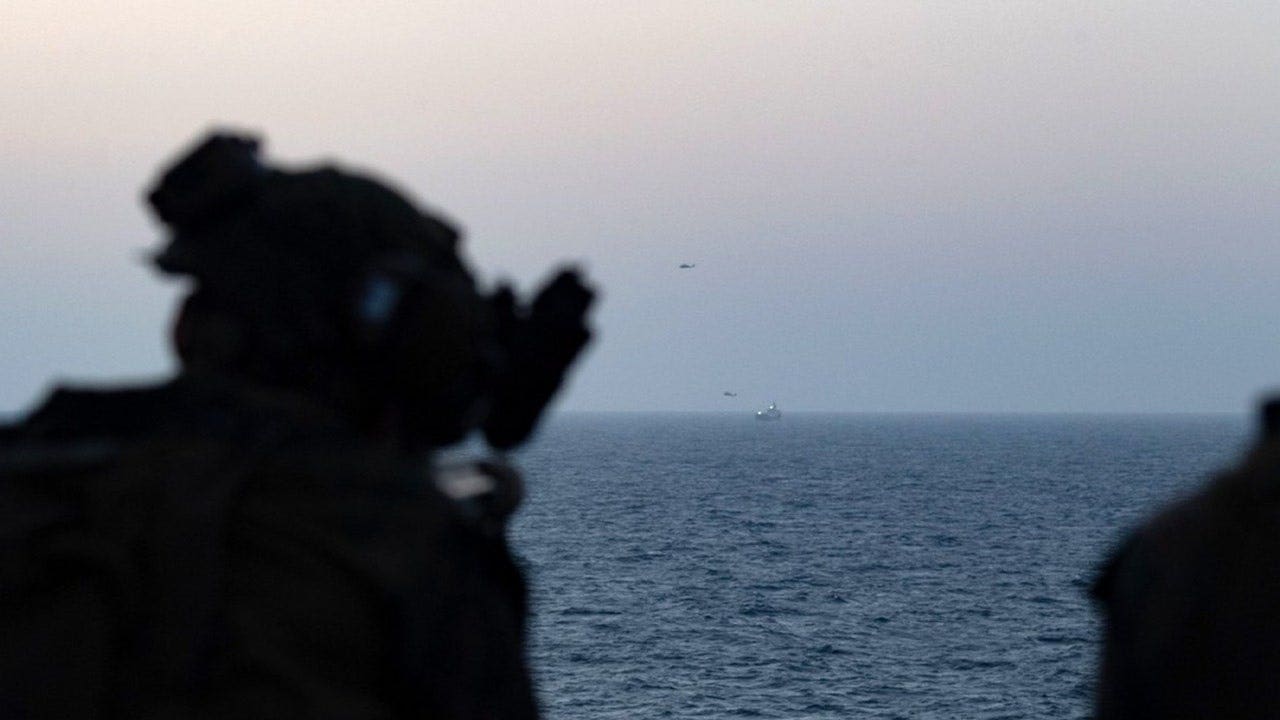
In response, U.S. Central Command (CENTCOM) defended its enforcement of the naval blockade, stating that it has been professionally communicated to international mariners and that vessels are provided multiple warnings to comply with the impending blockade. CENTCOM maintains, “American forces remain highly vigilant, focused, and professional while fully enforcing the naval blockade against Iran.”
International Maritime Concerns
The IMO’s data highlights an alarming trend, with over 100 confirmed maritime incidents recorded in the region as of October 9. Among these incidents, 24 seafarers have lost their lives since late February. Dominguez noted the rise of fraudulent ship registrations, which have contributed to the increased risk and instability in maritime operations.
Potential for Regulatory Reevaluation
Dominguez indicated the IMO might explore revising its regulations to strengthen communication protocols and safeguard maritime channels. While he has remained in contact with Iranian representatives through diplomatic channels, establishing concrete solutions presents challenges amidst ongoing conflicts.
Conclusion and Continued Dialogue
Despite the heightened tensions, Dominguez affirmed that diplomatic channels with Iran are still open, allowing for potential discussions regarding maritime safety and regulations. He reiterated the importance of every seafarer’s safety, stating, “For me, any single case…is a critical situation for me, because they are all relevant, they are all important.”