


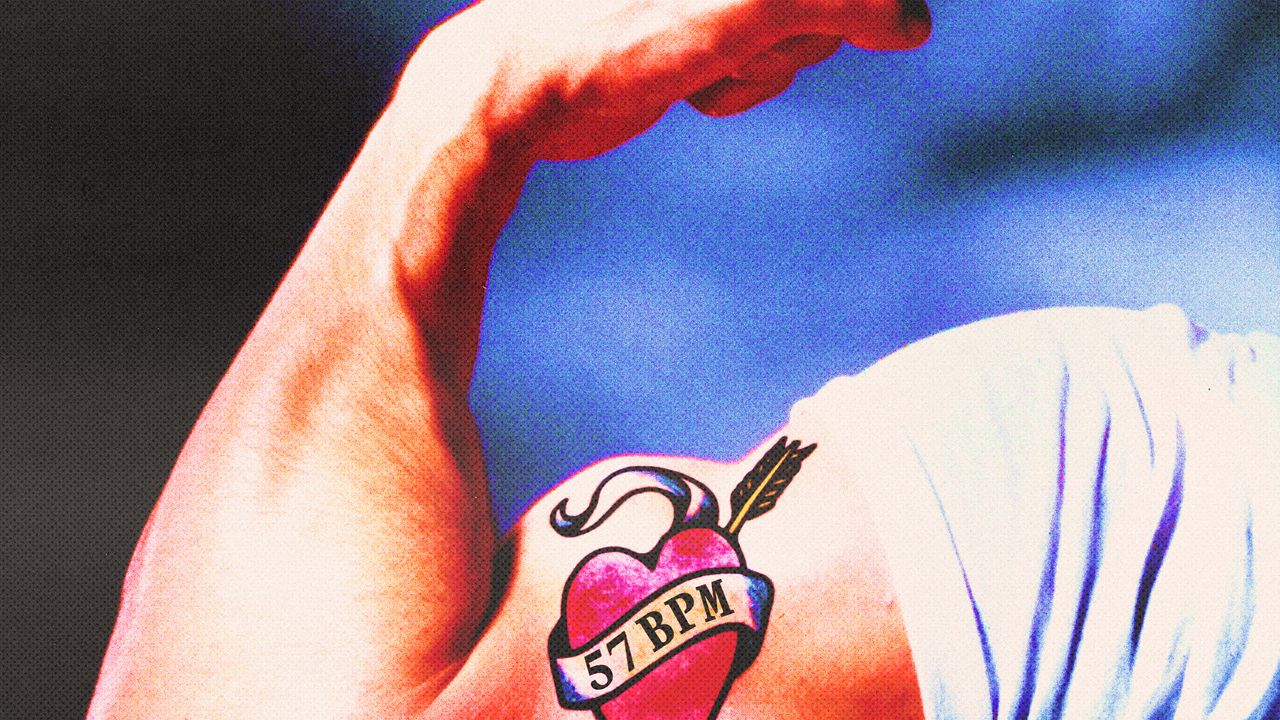
The Rise of Resting Heart Rate in Fitness Dating Apps
As the intersection of health and technology evolves, the ATEAM app emerges, revolutionizing the fitness-oriented dating and social platform. Unlike traditional dating apps filled with casual selfies and personal hobbies, ATEAM offers a distinctive feature: potential matches showcasing their resting heart rates (RHR) alongside their favorite workouts and health habits.
Understanding Resting Heart Rate as a Fitness Indicator
In fitness circles, a lower resting heart rate is often viewed as a hallmark of athletic prowess, particularly among endurance athletes. For users of ATEAM, revealing this vital statistic is a seamless part of their profiles, reflecting a growing trend where health metrics are woven into personal identity. “We didn’t want the profiles to feel very data heavy,” said Dan Ilani, the app’s founder. He emphasized that health and wellness increasingly define who people are, making RHR a fascinating topic for conversation. Currently, about 20% of ATEAM users have opted to display their RHR, with a notable number being women.
Broader Implications of Resting Heart Rate
The trend extends beyond dating apps. Individuals are increasingly sharing their RHR data on social media, reflecting a cultural shift towards more open discussions about personal health. In professional sports, organizations are also embracing this metric; for instance, during the Tour de France, Whoop publicly displayed the resting heart rates of top cyclists like Mathieu van der Poel and Tadej Pogačar, whose figures reached the high 30s. “It’s akin to rich people flexing with their Lamborghinis,” commented Henry Lau, a strength coach based in Providence, Rhode Island.
Health Significance of Resting Heart Rate
RHR is not merely a status symbol; it carries substantial health implications. A 2021 study published in the European Journal of Preventative Cardiology established a correlation between elevated resting heart rates (above 70 beats per minute) and an increased risk of cardiovascular diseases as well as higher all-cause mortality. Dr. Jeffrey Hsu, a sports cardiologist at UCLA Health, explained that, unlike more complex metrics such as sleep scores or heart-rate variability (HRV), RHR offers a clear snapshot of cardiovascular health. “The heart does remodel with training,” he added, noting that a resting heart rate below 60 bpm signifies enhanced heart efficiency due to a stronger heart muscle that can pump more blood with fewer beats.
Personal Insights from Fitness Enthusiasts
For fitness aficionados, tracking RHR can provide a tangible measure of progress and commitment to one’s health journey. Roberto Clemente, a dedicated runner from New York, proudly shares his low resting heart rate on his private social media accounts, noting that it reflects both his intensive training regimen and his holistic approach to health. “It not only shows the amount of effort I’ve put into my training, but also my dedication to minimizing stress in all aspects of my life,” explained Clemente. “It’s a sign of the lifestyle and healthy habits I prioritize every day.”
Conclusion
The integration of resting heart rates into fitness-related platforms like ATEAM underscores a cultural pivot toward valuing health metrics. As individuals proudly showcase these numbers, RHR is evolving from a personal health metric into a symbol of lifestyle and identity, fundamentally altering how people connect over fitness.
