


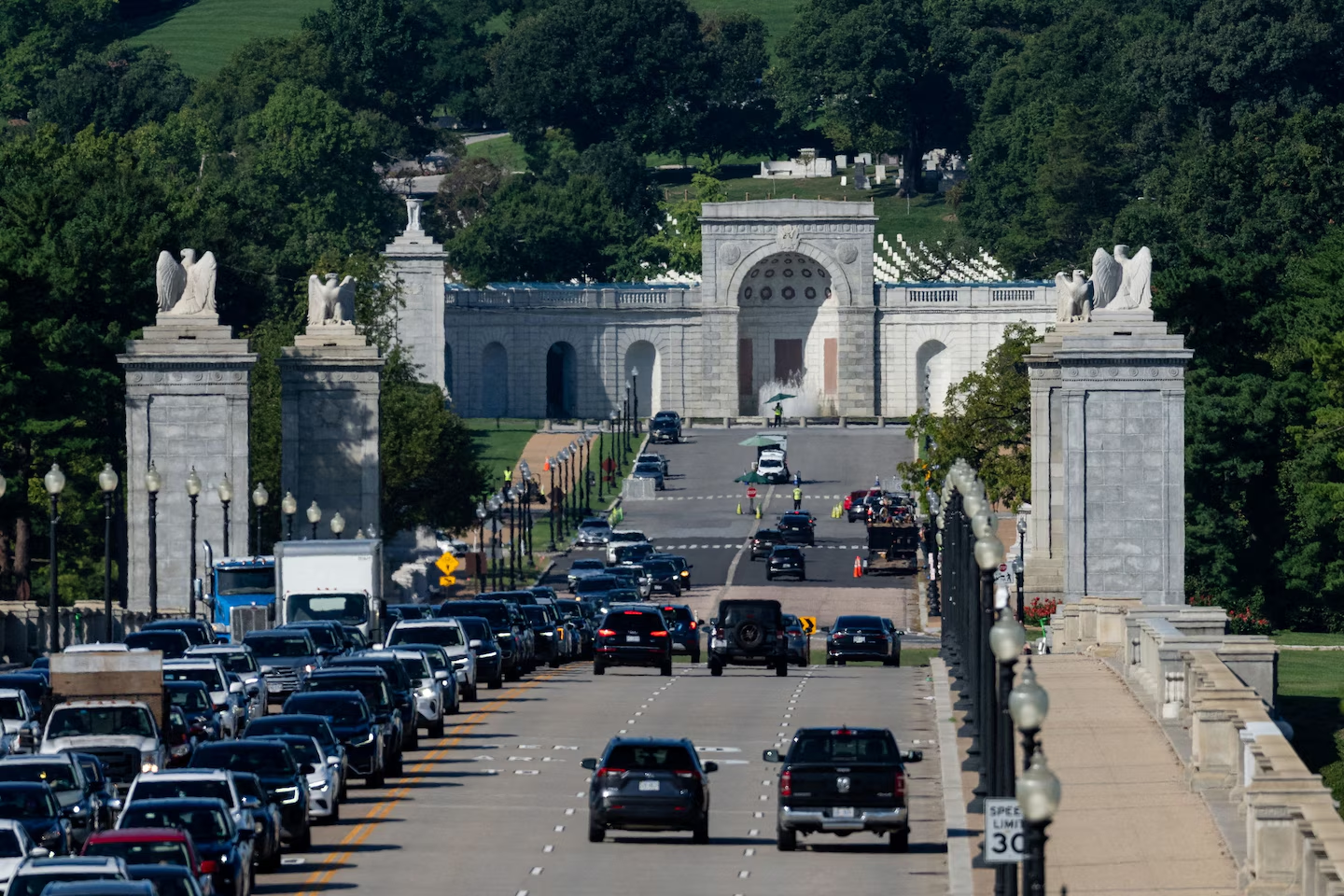
Trump’s Proposed Triumphal Arch: Insights and Reactions
In recent developments, the proposal for a monumental arch in Washington, D.C., backed by former President Donald Trump, has sparked a significant debate. This initiative, described by some as a necessary enhancement to national security, has been met with mixed reactions from various stakeholders, including veterans’ groups and government officials.
Unpacking the Proposal
The architectural venture, termed a “triumphal arch,” is estimated to stand 250 feet tall. The arch is purportedly designed not only as a symbolic landmark but also as a strategic measure against emerging threats such as drones. Proponents argue that it would serve as a military installation, strengthening defense capabilities within the nation’s capital.
Endorsements and Support
A key proponent of the arch, Pete Hegseth, has vocalized strong support for the project. He frames it as a “generational national defense opportunity,” emphasizing the need for innovative approaches to address contemporary security challenges. Hegseth’s comments were underlined during a recent legal discussion concerning the arch’s intended purpose and its potential role in national defense.
Concerns from Veterans’ Groups
Despite the enthusiasm from some officials, the proposal has not gone unchallenged. A prominent organization representing Vietnam veterans recently expressed their discontent, stating that their endorsement of the arch was influenced by misleading information. The veterans have underscored the importance of transparency and the implications of such projects on their legacy and representation.
Legal and Political Implications
The unfolding legal battles surrounding this proposal are critical. Officials, including those from the Department of Homeland Security (DHS), have asserted that the project is not merely a construction endeavor but is integral to national security. They maintain that the arch’s strategic functionalities could potentially mitigate offenses from aerial threats.
Conclusion
As discussions around the triumphal arch continue, it becomes evident that the intersection of infrastructure and national security is a complex and contentious arena. Stakeholders from various backgrounds are weighing in, and the outcome may set a precedent for how similar projects are approached in the future.
For further reading on the implications of national security architecture, you may find The Washington Post and The New York Times useful sources.
