


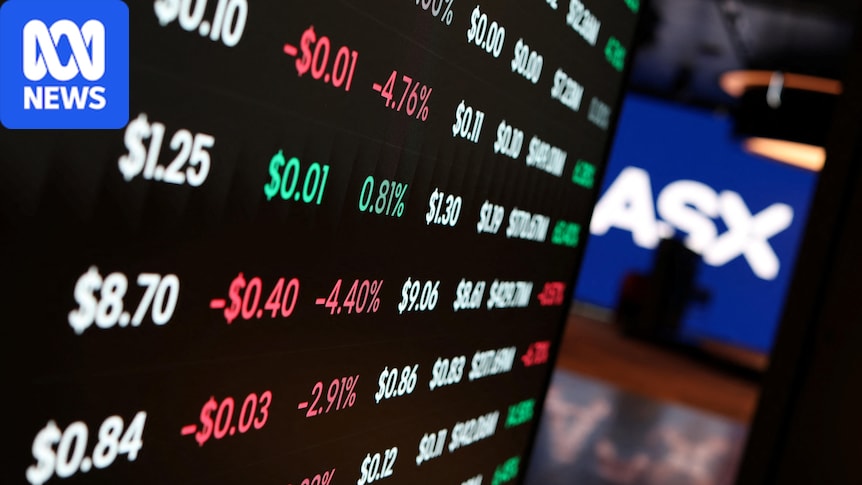
The Evolving Landscape of Australian Investments: Key Findings from the ASX Australian Investor Study 2026
A recent survey from the Australian Securities Exchange (ASX) indicates a notable trend in investing among the adult population of Australia. According to the ASX Australian Investor Study 2026, 11.5 million adults are now involved in investments outside of their superannuation and their primary residence, reflecting a growing inclination towards investment opportunities.
Since 2020, approximately 2.5 million new investors have emerged, which translates to 54% of the adult population now participating in investment activities. This data underscores Australia’s reputation as a nation deeply engaged in investment practices.
Profile of Australian Investors
The profile of investors in Australia reveals that the majority belong to the middle-income bracket, with a median gross income of $110,000 and an average age of 46. Notably, individuals aged 18 to 29 comprise 21% of the investor demographic.
This year’s study also explored the role of artificial intelligence (AI) in investment strategies. It showed a shift in how investors, particularly younger ones, access investment information and advice, with 14% of the 18-29 age group utilizing AI tools for this purpose.
“Australia is a nation of investors,” stated ASX CEO Anthony Attia, emphasizing the country’s high public engagement in share trading when compared to other developed markets.
Investment Trends: Assets in Focus
The ASX survey gathered information from approximately 4,500 participants earlier this year, revealing that shares are the most prevalently held asset among Australian investors, followed by residential property, exchange-traded funds (ETFs), term deposits, and cryptocurrencies.
“What is particularly encouraging is the next generation of investors entering the market,” said Mr. Attia. “Almost one million more Australians are looking to start investing.”
Significantly, the rapid growth of ETFs is notable, with ownership numbers more than doubling since 2020. Attia pointed out that innovations are creating new pathways for investors.
The ETF Boom: A Shift in Investment Strategy
Following the ASX survey, there has been a robust influx of capital into ETFs. Recent data from investment firm Betashares revealed that the Australian ETF industry experienced record monthly inflows exceeding $7 billion, resulting in an asset total of $388 billion.
Investment trends indicate that recent tax reforms are driving interest in ETFs and the stock market. Changes proposed in the May budget will replace the existing 50% capital gains tax discount with one that reflects actual inflation rates and introduce a minimum tax rate on gains starting July 1, 2027.
According to Forager Funds’ Steve Johnson, ETFs are proving advantageous under these new tax settings, as they allow for the internal offsetting of gains and losses within the fund structure.
Regulatory Developments and Future Outlook
As equity trading gains popularity, regulatory bodies are adapting to the evolving market landscape. The Australian Securities and Investments Commission (ASIC) is initiating consultations regarding regulations for digital assets, which are slated to commence on April 8, 2027. These regulations include requirements for digital asset platforms to hold the necessary Australian financial services licenses and implement comprehensive customer disclosure protocols.
“Our approach is based on the principle of ‘same activity, same risk, same regulatory outcome’ to align Australia with similar overseas jurisdictions,” noted ASIC Commissioner Alan Kirkland.
Emerging Investors: Opportunities and Challenges
With the growing number of investors, particularly among young adults, there is a notable need for comprehensive financial education and accessible investment platforms. The ASX study identified that about 950,000 Australians not currently investing aim to start within the next year, with 61% of this group being women and nearly 40% between the ages of 18 and 29.
As interest in financial advisory services rises, particularly due to perceived knowledge barriers, it is clear that the investment landscape in Australia is undergoing significant transformation, offering diverse opportunities for both current and prospective investors.
