


Microsoft Contemplates Major Changes in Xbox Strategy
Recent developments within Microsoft’s gaming division suggest that the company may be reevaluating its approach to the Xbox platform. A new survey targeting a portion of Xbox users enrolled in the Insider Program has raised speculation about potential shifts toward exclusivity that could dramatically alter the competitive landscape.
The Current Challenge
Despite its significant investments, Microsoft’s Xbox division has faced challenges in gaining traction against competitors like PlayStation and Nintendo. Many users who possess multiple gaming devices find fewer reasons to engage with Xbox, diminishing their reasons to utilize Microsoft’s ecosystem. This situation not only affects Microsoft’s potential revenue from first-party titles but also impacts the viability of third-party games on its platform. For instance, the company has reported substantial game sales on PlayStation, yet incurs a considerable 30% fee for these transactions.
Survey Insights
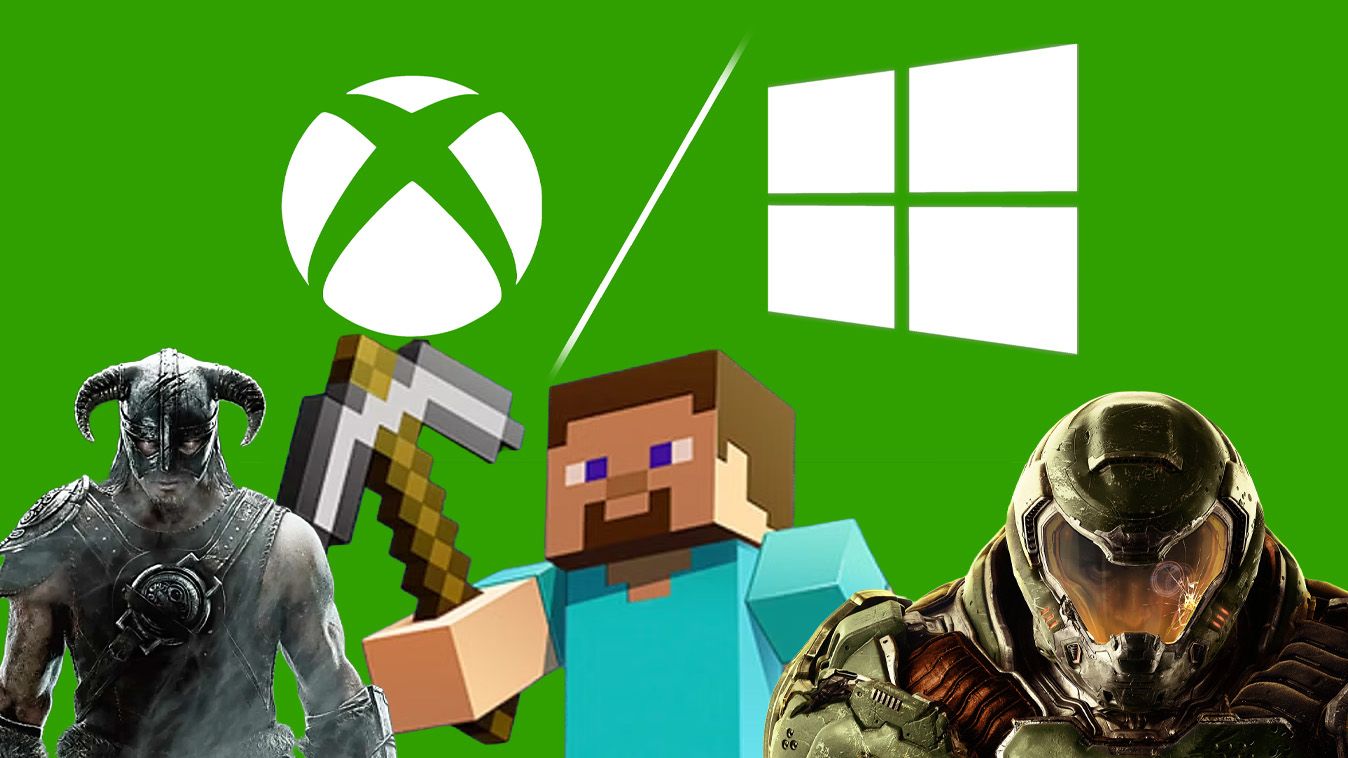
The newly surfaced survey features questions aimed at assessing user interest in Xbox exclusivity. It inquires users’ likelihood of console switching based on the exclusivity of notable titles such as Fallout, The Elder Scrolls, DOOM, and Minecraft. While the survey assures participants that existing titles would remain available on other platforms, new content would cease, suggesting a strategic pivot towards engaging Xbox-exclusive releases.
A Nuclear Option?
A particularly striking element of the survey poses a hypothetical scenario wherein every Xbox-developed game, with the exception of Call of Duty due to acquisition obligations, would become fully exclusive to Xbox. Respondents are prompted to consider purchasing a new Xbox console, utilizing an existing one, switching to PC, or opting out entirely under this new model.
Implications of Exclusivity
With a clear acknowledgment of sector-wide challenges, such as declining hardware sales exacerbated by global supply chain issues, the notion of exclusive titles could correspondingly drive demand. If key titles were to become Xbox-exclusive, significant increases in hardware sales could be anticipated. However, Microsoft’s historical struggles with stock availability pose considerable risks to this potential strategy.
The Future Landscape
Moving toward an exclusivity model raises critical questions about the future identity of Xbox as a gaming entity. A transition to full exclusivity could radically reshape Microsoft’s approach, compelling the company to differentiate itself as more than a publisher. Reports suggest that the overall viability of maintaining Xbox as a distinct hardware brand must be heavily considered in light of evolving market dynamics.
Conclusion
While surveys can serve as directional indicators, they often reflect broader strategic considerations. Microsoft appears to be weighing the value of exclusives against potential risks associated with alienating existing users and other platforms. As the gaming landscape evolves, so too does the necessity for innovative approaches, which may lead the future of Xbox in unexpected directions.
For ongoing updates and discussions about these developments, the community is encouraged to engage on platforms such as Reddit at r/WindowsCentral.
