


Trump’s Executive Order on Diesel Fuel Prices
Executive Action to Alleviate Diesel Costs
On a recent Monday, President Donald Trump signed an executive order aimed at reducing sharply rising diesel prices by enabling broad access to tax-exempt “red dye” diesel fuel. Speaking at a rally in Nebraska, Trump declared, “Tonight I’m going to sign a historic executive order to officially waive the off-road requirement and allow anyone to purchase tax-free red dye diesel for any reason.”
Understanding Red Dye Diesel
Diesel fuel is categorized based on its intended use, which influences tax rates. Road diesel, used for transportation, incurs federal and state taxes, while diesel designated for agricultural purposes is generally exempt and dyed red for easy identification by regulators.
Expanded Access and State Participation
A fact sheet released by the White House articulated that Trump has instructed key department heads—including those from transportation, agriculture, defense, and the Treasury—to work on initiatives increasing access to tax-exempt diesel. There are also efforts to encourage states to suspend their diesel taxes.
Factors Driving Diesel Prices
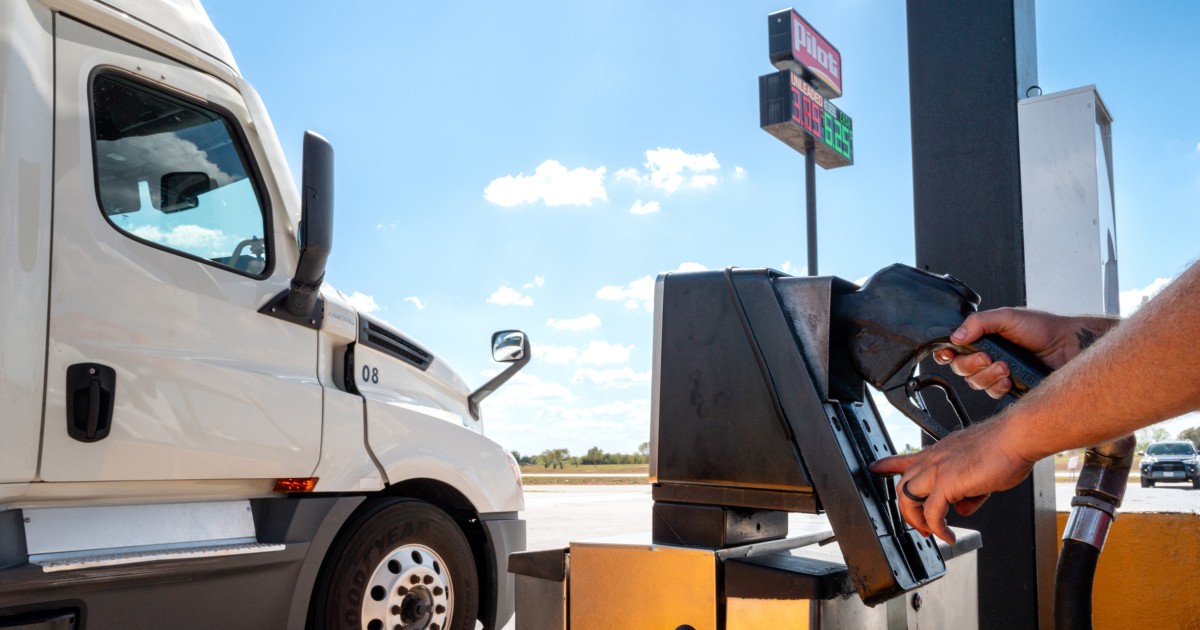
The recent spike in diesel fuel prices has largely been attributed to geopolitical tensions, particularly the ongoing conflict in Iran. A key benefit of red dye diesel is its lower cost, as it is free from both federal and state excise taxes. According to Trump, the executive order could reduce the cost for truck drivers by over $100 per fill-up, potentially lowering prices for consumers on various goods, including groceries.
As of September 22, diesel prices reached a record high of $6.52 per gallon, illustrating a total increase of more than 70% since the commencement of the war in Iran on February 28. This rise is notably steeper when compared to increases in Brent crude oil and unleaded gas prices, which experienced rises of approximately 45% and 50%, respectively, during the same timeframe.
Impact of Geopolitical Events
The conflict in Ukraine has further complicated the situation. Specifically, Ukraine’s utilization of drone strikes on Russian oil facilities has led to a ban on Russian diesel exports, exacerbating supply constraints in the market.
Regulatory Adjustments for Fuel Transportation
In an effort to combat rising fuel prices, Transportation Secretary Sean Duffy announced last month a temporary easing of regulations concerning the working hours of truck drivers transporting fuel. This modification is intended to remain in effect for a duration of 90 days, aiming to enhance supply chain efficiency.
Political Context and Voter Concerns
The rally where Trump announced the executive order took place in Nebraska, a state experiencing competitive Senate races, where rising costs—including fuel prices—are pivotal concerns among voters from all political affiliations. High fuel prices have emerged as a critical issue amid an increasing focus on economic stability leading into the elections.
