


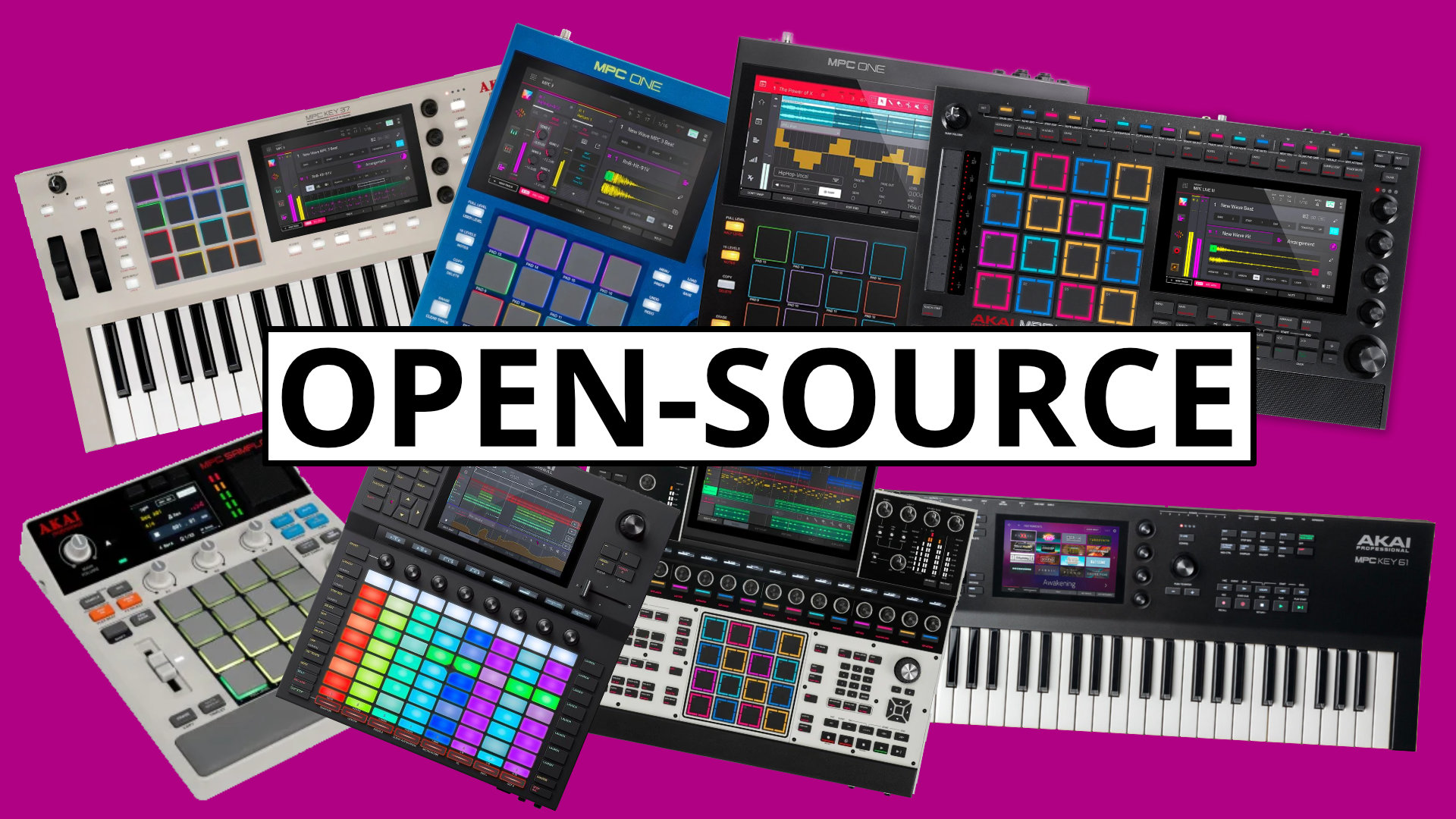
Akai MPC Moves Towards Open-Source Platform
Akai has recently taken a significant step towards transforming its MPC (Music Production Center) lineup into an open platform by making essential components available on GitHub. This move, which was officially announced on October 28, positions Akai at the forefront of innovation in music production technology.
Introduction of Open Source Sampler
The first product in this open-source initiative is the MPC Sample hardware sampler. This decision has ignited substantial discussions within the music creation community, marking a pivotal moment in the industry this year. As part of its strategy, Akai, under the umbrella of inMusic, disclosed plans to introduce 22 new products at NAMM 2027, many featuring experimental opportunities for creators.
GitHub Repository Launch
While no formal announcement has been made, inMusic has launched an official GitHub repository for managing the open-source project. This repository, overseen by Pete Goodliffe, the Chief Technical Officer and lead developer of the MPC platform, contains key open-source components required by the licenses involved. It is important to note that this does not include the MPC OS as open source; rather, it serves to inform developers about the software ecosystem fundamental to the MPCs.
Future Prospects for the MPC Lineup
In addition to the MPC Sample, the repository suggests that the entire MPC series may soon be opened up for public experimentation, which includes the forthcoming SampleKey. InMusic emphasizes its commitment to complying with open-source library requirements associated with its products.
“Thanks for your interest in the open source software used by inMusic Brands. We are happy to comply with the requirements of the open source libraries and projects in use in our products.”
Devices Included in the Release
The GitHub repository currently features archives for:
- MPC G1 devices: Includes MPC X, MPC X Special Edition, MPC Live, MPC Live II, MPC One, MPC One+, MPC Key 37, MPC Key 61, and Force.
- MPC G2 devices: Encompasses MPC XL, MPC Live III, MPC One G2, and MPC Key 37 G2.
- MPC Sample
Impact on the Developer Community
This transition opens the door to the development of new projects that could enhance the versatility of Akai hardware. By embracing an open-source framework, the Akai MPC series may evolve into innovative instruments, propelling creativity and experimentation among users. The community’s response to this initiative will play a crucial role in shaping the future of these devices.
Conclusion
The launch of Akai’s open-source repository marks the beginning of a new era for the MPC brand. As users and developers explore the potential of the MPCs in this evolved context, exciting developments are anticipated in the coming months. For continuous updates and resource access, visit the Akai Pro GitHub.
For inquiries and further information, feel free to check our partnerships with Thomann and Sweetwater.
