


The Democratic Party’s Path to 2028: Internal Divisions and Global Challenges
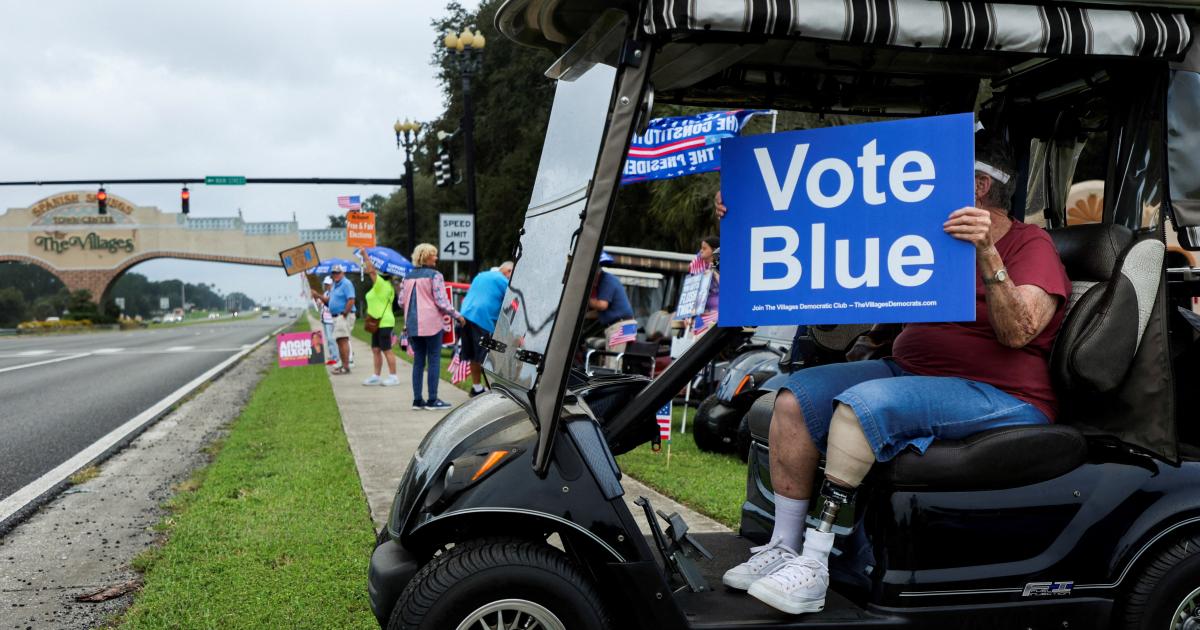
The midterm elections usher in a critical phase for the Democratic Party as it gears up for the 2028 presidential campaign, following the 2024 elections that saw Vice President Kamala Harris’s defeat. With significant discussions surrounding the party’s direction, particularly in foreign policy, this contest is anticipated to be one of the most pivotal in decades, emphasizing the urgent need for clear policy proposals amidst a challenging global landscape.
Setting the Stage: An Evolving Strategic Environment
As political dynamics shift, the Democratic Party faces a strategic environment in 2029 reminiscent of the Cold War’s intensity. With past foreign policy victories under scrutiny, party members must articulate their vision early to resonate with voters and navigate global events effectively. A notable division within the party exists: centrists prioritize restoring U.S. power and sustaining alliances, while progressives advocate for cooperative global policies that address collective challenges.
If candidates and party leaders do not engage in meaningful discussions about key issues—such as the international order, U.S. relations with China, and the implications of artificial intelligence—there’s a risk that a future administration could become mired in indecision and internal conflict. Therefore, it is essential for Democrats to clarify their stances on these matters and identify areas of consensus and division.
Assessing the Foreign Policy Landscape Post-Biden
In the wake of Joe Biden’s presidency, three Democratic leaders have historically emphasized a U.S.-led international order. However, Biden’s administration took a somewhat different trajectory, focusing on heightened competition with global powers like China and Russia, along with addressing shared challenges such as pandemics. His approach involved shifting towards a more protectionist foreign economic stance, prioritizing resilience and technological leadership over traditional free trade.
Centrists contemplate whether future Democratic administrations can restore this order or if adaptations are necessary given ongoing geopolitical turbulence. While there is a shared belief in strengthening military alliances and combating transnational threats, opinions differ on the strategic framework that best serves U.S. interests.
Progressive Perspectives on Foreign Policy
Progressives, on the other hand, argue that a focus on U.S. primacy has led to mistakes in foreign policy over the past quarter-century. Highlighting the inconsistency in applying the “rules-based order,” progressives assert that genuine adherence to these principles is crucial, even if it limits U.S. actions. Figures like Senator Bernie Sanders and Representative Alexandria Ocasio-Cortez emphasize that corporate interests often compromise military integrity and global solidarity.
This viewpoint suggests a redefined role for the U.S. in a multipolar world, prioritizing cooperation over competition, especially with China, on issues like climate change and technological safety. Furthermore, many progressives advocate for a foreign policy guided by restraint and negotiated agreements, focusing on securing human rights and reducing military expenditures.
Emerging Divides and Unresolved Issues
The Israel Debate
The most pressing and contentious issue currently reshaping Democratic discourse revolves around the U.S.-Israel relationship, particularly in light of recent conflicts in Gaza. Many Democrats criticize Biden for perceived inadequacies in addressing Israel’s actions, with some advocating for a reassessment of U.S. support dependent on Israeli compliance with humanitarian law. This marks a significant departure from Biden’s administration, as centrists like Rahm Emanuel propose new initiatives that may link support for Israel with broader regional recognition of Palestinian rights.
Artificial Intelligence and Its Implications
Another pivotal point of contention lies in the area of artificial intelligence (AI). Centrists generally view AI as a vital technological frontier that demands responsibly managed competition, especially with China. However, the progressive response varies, with some advocating for a complete halt on AI development and the establishment of comprehensive agreements to regulate potentially harmful technologies. The evolving narrative surrounding AI safety may forge new alliances that transcend traditional party lines in the upcoming primaries.
China: The Central Challenge
When it comes to China, a significant divide persists among Democrats regarding its status as a competitor versus a partner. Centrists typically see China as the foremost geopolitical challenge impacting U.S. supremacy, while many progressives criticize the approach of viewing China strictly through a lens of rivalry. They highlight the need for cooperation to tackle pressing global issues, suggesting that reinforcing ties, particularly in terms of environmental collaboration, may yield greater benefits than confrontation.
Promoting Dialogue for Future Success
The internal discourse within the Democratic Party regarding foreign policy mirrors broader ideological foundations on which its members stand. The question at hand is not merely about policy disagreements but represents divergent philosophies about achieving global stability and prosperity.
Looking ahead, if the party fails to engage in open and consistent dialogues over the next two years, it risks repeating the mistakes of previous administrations, such as that of Jimmy Carter, who grappled with internal factions and an increasingly volatile international landscape. The 2029 administration, poised to encounter complex global challenges, must prioritize developing a coherent strategy leading into its term.
Fortunately, a foundation for collaboration exists. Both factions within the party share commitments to rebuilding American alliances, addressing contemporary challenges, and fostering international cooperation while avoiding unnecessary military interventions. Despite the absence of a widespread consensus, energetic discussions leading up to the 2028 elections could inform voters and ensure that a Democratic administration enters office equipped to act on a unified vision.
