


The Dynamics of Female Leadership in the Trump Administration
While Donald Trump has publicly distanced himself from the label of feminism, he has frequently highlighted his hiring practices involving women in an effort to counteract critiques concerning his leadership style and policies. However, the narrative around women’s roles in his administration has been marked by a troubling trend during his second term.
Increased Departure of Female Officials
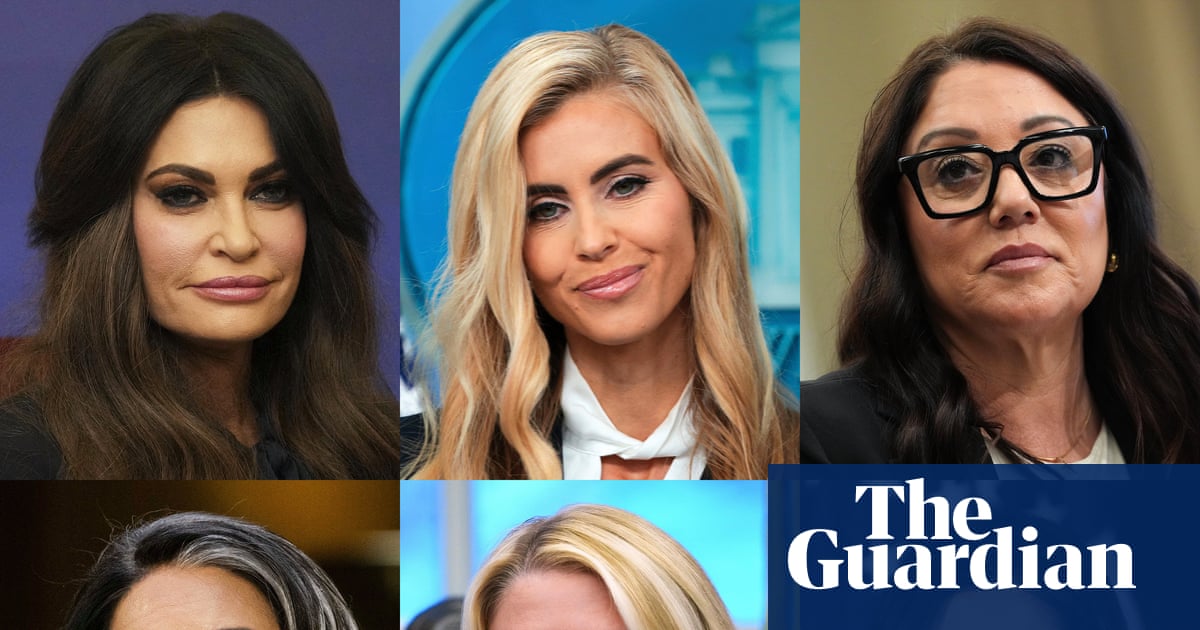
In a short span, a significant number of high-ranking female officials within the Trump administration have exited their positions, with half of the eight women in prominent roles resigning or being dismissed. Alarmingly, these departures have all seen male replacements, raising concerns about gender representation in leadership.
Notable Departures and Their Contexts
Katie Zacharia’s Brief Tenure
Recently, Katie Zacharia, who served as the White House press secretary for only five days, was let go after a contentious press briefing received widespread criticism. Compounding the challenges she faced were questions surrounding her legal qualifications after she admitted to not passing the bar exam.
Kristi Noem’s Controversial Removal
Former Homeland Security Secretary Kristi Noem was dismissed after a tumultuous time in which her actions faced significant backlash, particularly related to controversial immigration policies. Her comments regarding a federal ad campaign, alongside questions about her leadership, contributed to her ousting on March 5.
Pushed Out: Pam Bondi’s Tenure
The next significant departure was that of Pam Bondi, the former attorney general, who was removed in April due to frustrations over her management of the Department of Justice relating to the Epstein case. This issue became politically sensitive for Trump, leading to his dissatisfaction with Bondi’s performance.
Lori Chavez-DeRemer’s Resignation
A similar fate befell former Labor Secretary Lori Chavez-DeRemer, who resigned in April amid an investigation into allegations of misconduct, including inappropriate behavior at work. She was succeeded by Keith Sonderling.
Tulsi Gabbard’s Resignation
In May, Tulsi Gabbard stepped down from her role as national intelligence director, officially citing personal reasons related to her husband’s health, though reports suggest she was pushed out due to a lack of support in her role during international conflicts.
Kimberly Guilfoyle’s Exit
Finally, Kimberly Guilfoyle was asked to resign from her position as US ambassador to Greece following allegations of seeking financial gain for access to administration officials, a scandal that marked the end of her long-standing relationship with Trump.
Discrepancies in Accountability
Among male officials in the Trump administration, such as Pete Hegseth and Kash Patel, there seems to be a notable contrast in consequences for controversies and allegations faced. Many have survived significant scrutiny without facing similar repercussions as their female counterparts, prompting discussions about a perceived gender double standard.
Political Repercussions and Observations
Comments from political figures, including Democrat Alexandria Ocasio-Cortez, highlight the concern that misconduct is often overlooked in male officials while female officials face dismissal despite loyalty to Trump. This trend raises questions about the administration’s internal culture and its impact on gender equity in leadership positions.
Conclusion
As the dynamics within the Trump administration continue to evolve, the treatment of high-ranking female officials is becoming a point of scrutiny. Without significant changes in leadership practices and accountability measures, the persistence of gender imbalances may undermine efforts towards a more inclusive and equitable work environment.
