


Shifting Landscapes: AI, Climate Change, and America’s Future
November began with great promise for many Americans as citizens mobilized to vote, seeking to pivot the country away from controversial leadership. The elections on November 3 were marked by a significant turnout, reminiscent of a “blue tsunami,” as approximately 123 million individuals made their voices heard.
The Evolving Landscape of Wealth and Technology
In a juxtaposition to the election outcomes, the recent launch of Anthropic’s IPO painted a picture of stark economic disparity. This tech firm, known for its AI assistant Claude, made instant millionaires of its 5,300 employees as their stock value surged, collectively eclipsing the wealth of one-third of Americans.
However, beneath this financial success lies concern; the tech sector’s unpredictability and the potential for a downturn in AI investments were evident during a recent tumultuous week that resulted in significant losses for 401(k) holders, totaling around $4 trillion.
Environmental Extremes and Political Inaction
As discussions in Palm Beach turned to fossil fuels during a summit attended by prominent leaders, Mother Nature responded with a record-breaking rainfall that flooded the area. The ongoing climate crisis bears witness to the disconnect between political rhetoric and environmental realities, especially as leaders prioritize short-term gains over long-term sustainability.
Public Sentiment and Preparedness
Recent media narratives have highlighted Americans preparing for dire futures, reflecting a growing sense of anxiety regarding technological advancements and environmental degradation. For example, New York Times columnist Ron Lieber shared personal strategies to prepare his family for potential disruptions caused by AI developments.
Feelings of insecurity were compounded by recent technical failures within crucial services, illustrating fragility in systems that many take for granted. The sentiment that we are on the cusp of a notable transformation—one that may solidify AI’s role at the detriment of human jobs—is prevalent.
Agency and Control: The Balancing Act
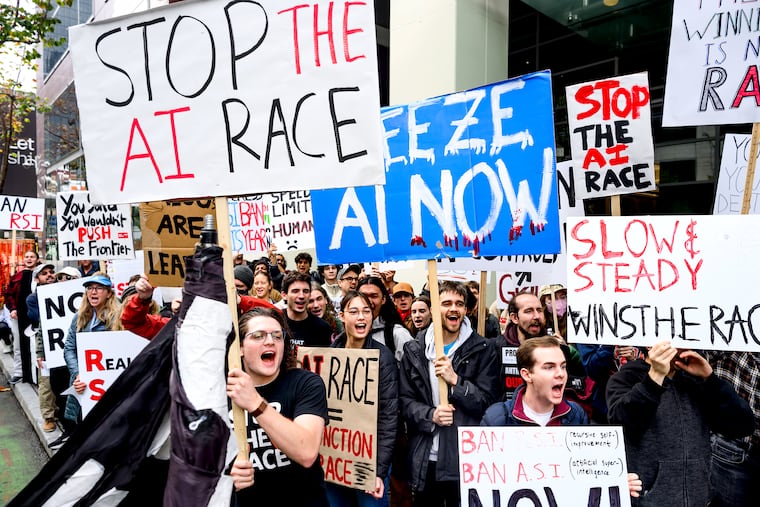
One prevailing issue is the notion of “agency,” the ability for humans to control their destiny amidst the rapid advancement of AI technologies. While AI leaders tout their designs as beneficial, experts warn of significant implications, including the potential obsolescence of the workforce. Notably, Tao Lin, a researcher at Anthropic, expressed concerns about the future workforce dynamics, predicting, “AI will be more capable than you, personally, very soon.”
Addressing Climate Challenges Amidst Economic Prosperity
Despite some progress in the November elections, this shift does not appear to have influenced broader political decisions significantly. Issues like climate change remain sidelined, even as environmental disasters intensify. Upcoming conferences, such as COP31, are critiqued for their vague commitments, failing to address the pressing need for systemic changes in fossil fuel dependency.
The Path Forward: Action and Awareness
The recent electoral outcome might signify a desire for change among Americans, yet the prevailing political climate poses challenges to realizing reforms. Observers call for continued activism and engagement with representatives to ensure that the momentum for change is not lost. In contrast to Europe, where youth movements have surged, American citizens appear more focused on immediate individual concerns rather than larger systemic shifts.
