


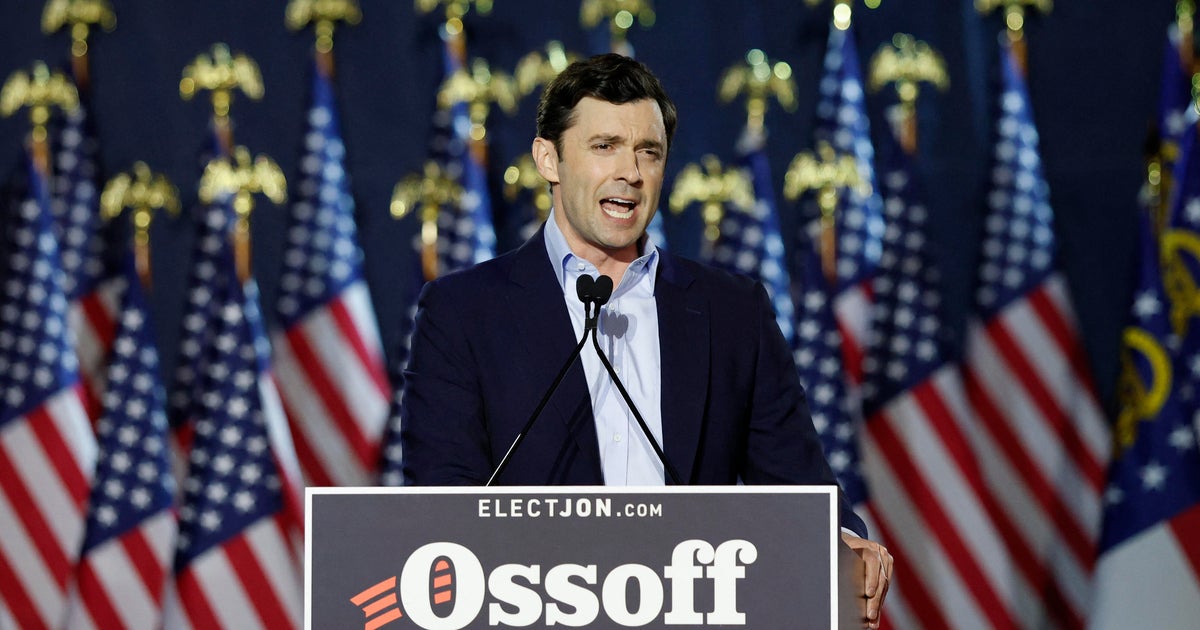
Jon Ossoff’s Reelection Victory Sparks 2028 Presidential Speculation
In the aftermath of his decisive reelection in Georgia, Democratic Senator Jon Ossoff is emerging as a potential candidate for the 2028 presidential race. His ability to attract a diverse coalition of voters in Georgia, a crucial battleground state, has fueled interest in his political future.
Current Stance on Presidential Aspirations
Ossoff, at the age of 39, has downplayed the rumors surrounding a White House bid. He stated, during a debate in October, that he holds “zero interest in running for president” in 2028, despite speculation emerging from his strong electoral performance.
Polling Insights and Voter Demographics
Following the election, Ossoff is reportedly leading in early polls regarding the 2028 Democratic primary. An Emerson College survey indicated he garnered 17% support, narrowly leading figures such as former Vice President Kamala Harris and U.S. Representative Alexandria Ocasio-Cortez. His popularity among both centrist and progressiveDemocrats has been noted by political analysts.
Electoral Strategy and Voter Outreach
Ossoff’s victory is characterized by success across various voter demographics, which may inform future strategies if he pursues higher office. At a recent progressive gathering, he received 38% of first-choice votes in a straw poll, outpacing other notable Democrats like Ocasio-Cortez and Buttigieg.
“I think he would make an attractive presidential contender on the Democratic side,” said Jerry Gonzalez, CEO of the GALEO Impact Fund PAC, highlighting Ossoff’s approach to building coalitions.
Challenges Ahead
While Ossoff has demonstrated a capacity to win in a state that often leans Republican, analysts are divided on how his moderate stance would resonate in the more ideologically focused Democratic primaries. Historically, candidates who secure statewide victories in conservative or swing states tend to adopt moderate positions, which may not align with the more progressive wing of the electorate.
Impacts of His Reelection on Future Campaigns
During his recent campaign, Ossoff achieved a significant 18-point win over Republican opponent Mike Collins. His support among Black voters reached 93%, while he also improved his standing with White voters, winning 40% compared to Harris’s 28% two years earlier. Furthermore, Ossoff made notable inroads with demographic groups that have shifted away from Democrats in past elections, including gaining 29% of White voters without college degrees and 19% of White evangelical voters.
Key Demographics and Election Shifts
Exit polling indicated that Ossoff secured 85% of voters aged 29 and under, outpacing Harris in this key demographic by a substantial margin. Additionally, Ossoff won around two-thirds of Latino voters, reflecting a growing trend among that group towards Democratic candidates. Concerns regarding affordability and immigration appeared to heavily influence Latino voter sentiments.
Future Implications for 2028
Despite Ossoff’s current dismissal of a presidential bid, his recent electoral performance sheds light on potential strategies he may employ should he reconsider. Political experts emphasize that advancing support from key demographic groups, including Black and Latino voters, will be crucial in the next election cycle.
As the Democratic primary landscape evolves, Ossoff’s ability to perform well in early nominating states, particularly those with significant populations of Black and Latino voters, could enhance his prospects if he opts to run. The upcoming nomination process will take place in states like South Carolina and Nevada, which historically have played critical roles in shaping the Democratic ticket.
While Ossoff prioritizes his Senate responsibilities, many observers remain curious about his long-term ambitions in light of his recent electoral success and dynamic voter coalition.
