


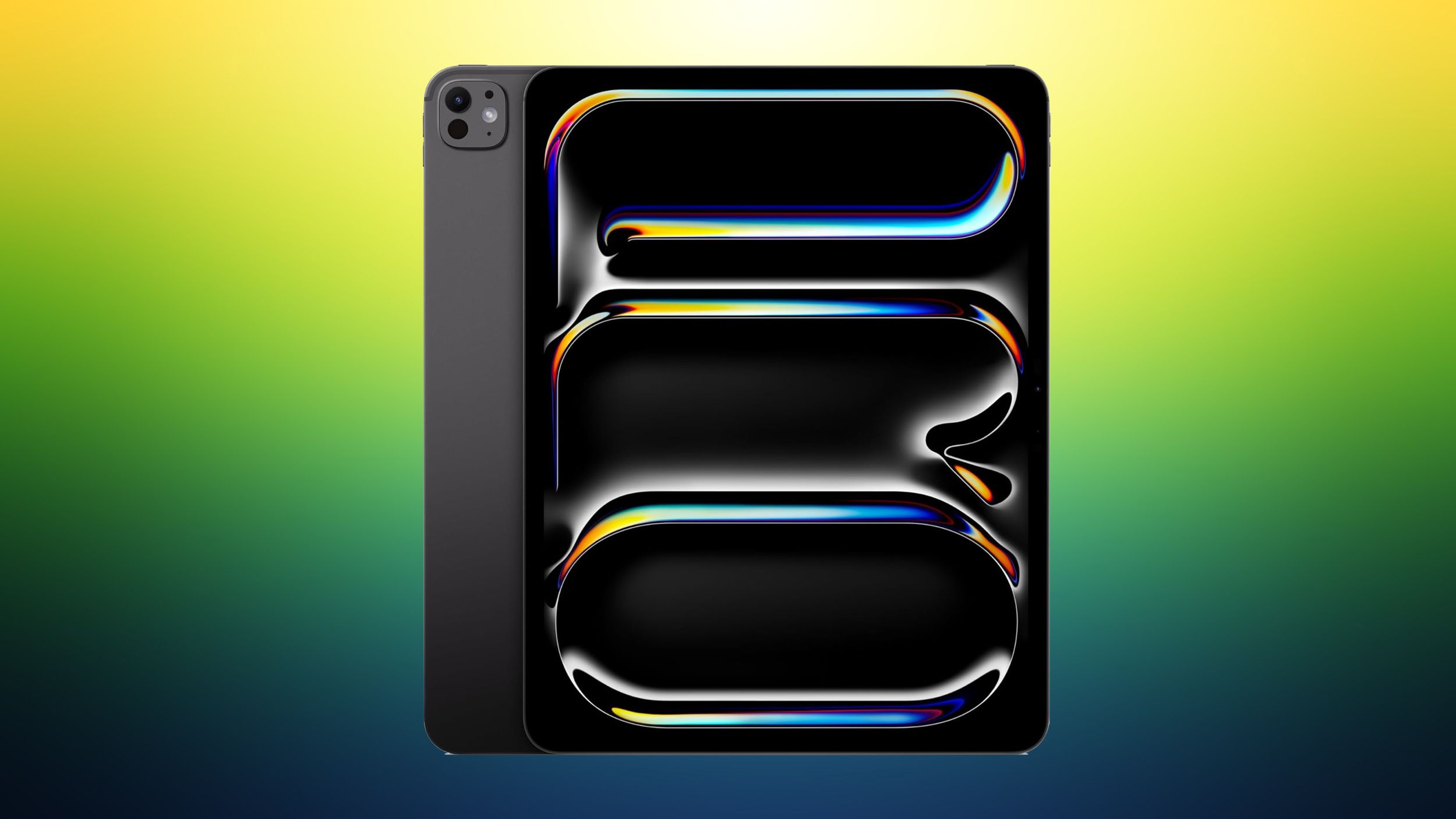
Apple’s Internal iPads Running macOS: A Look into Future Operating System Developments
Recent insights from Mark Gurman of Bloomberg reveal that Apple has been experimenting with iPads powered by macOS internally for an extended period. However, Gurman clarified in a recent episode of his Power On podcast that Apple is not currently pursuing plans to introduce macOS to consumers on the iPad lineup.
Instead of combining the two systems, Apple appears focused on gradually updating iPadOS with features from macOS. This piecemeal approach aims to enhance the iPad experience without fully merging the two distinct operating systems.
Regulatory Considerations
Gurman highlighted that European Union regulations, which necessitate different operating systems for various devices, play a significant role in Apple’s decision-making. This regulatory landscape provides a strong incentive for the company to maintain the separation between iPadOS and macOS, as the company has recently confirmed its intentions not to merge the two.
Looking Ahead: iPadOS Developments
While Apple has set aside plans for macOS on iPads, the company continues to innovate on iPadOS. Users can anticipate incremental enhancements in features, including popular Mac applications such as Final Cut, being delivered gradually to the iPad ecosystem.
Related Insights from Mark Gurman
Future Product Goals
In other news, Gurman also discussed Apple’s ambitions for upcoming iPhone models, outlining four key enhancements for future iPhone Duo devices: the introduction of Face ID, a new Action button, a more refined telephoto camera, and a slimmer profile. While prototypes have reportedly been made, timelines for consumer rollout remain uncertain.
Upcoming Product Releases
Furthermore, Apple’s plans for early 2027 include the release of several new devices, such as the iPhone 18e, updated entry-level iPad, and new MacBook models. These announcements are expected to unfold around February or March, according to Gurman’s latest reports.
Development Phases for iOS and macOS
Gurman has also indicated a shift in how Apple approaches the development of iOS 28 and macOS 28. The company has restructured its development cycle into three significant stages, each lasting four weeks. This newly refined process aims to streamline updates and ensure a more efficient rollout of new features.
