


Brazil’s Trade Tensions with the U.S.: Lula’s Strong Response
Published on 26 Nov 2026
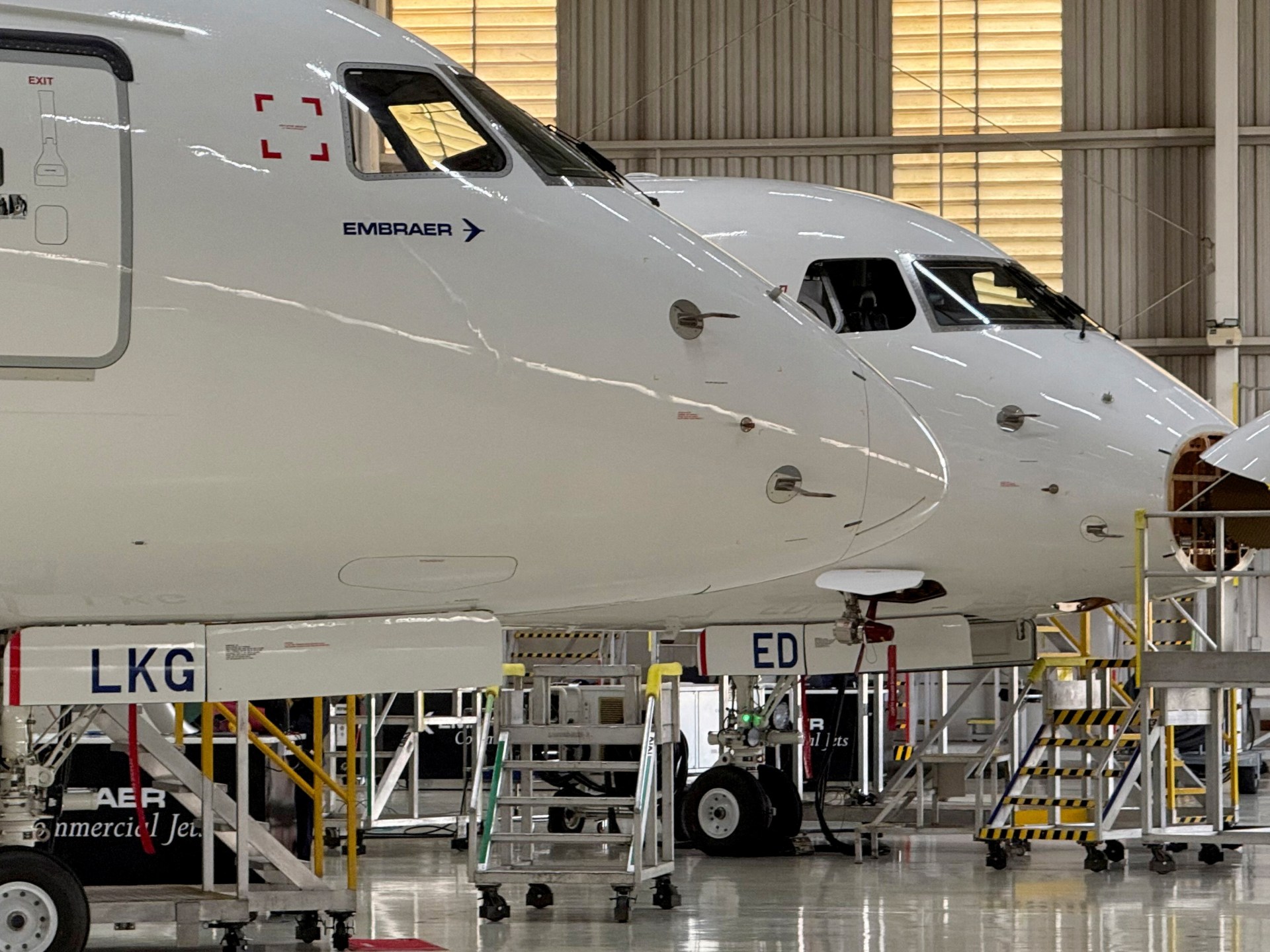
In a recent statement, Brazilian President Luiz Inacio Lula da Silva expressed significant discontent regarding new tariffs proposed by the U.S. administration under President Donald Trump. These tariffs specifically target Brazilian aircraft manufactured by Embraer and Brazilian sugar exports.
Details of the Proposed Tariffs
- The U.S. plans to impose a 10 percent tariff on finished aircraft produced by Embraer.
- Further, U.S. authorities aim to increase duties on Brazilian sugar that exceeds quota limits.
- The new customs measures are intended to prevent sugar imports from navigating through third countries into the U.S., which the USTR deems “unreasonable” trade practices.
Brazil’s Response
In response to these developments, Lula’s office stated that Brazil is considering “reciprocal measures” to counteract the proposed tariffs. They labeled the unilateral actions of the U.S. Trade Representative (USTR) as unacceptable, particularly within the context of ongoing negotiations between the two nations.
“The unilateral decision by the USTR is an unacceptable action within the ongoing bilateral negotiation process. Brazil will not yield to this type of threat,” the statement emphasized.
Negotiation Efforts and Future Implications
Brazil has insisted that it has been engaging in good faith negotiations with U.S. representatives for over a year. In August, both governments established a working group to discuss trade challenges.
U.S. Trade Representative Jamieson Greer noted that the proposed tariff changes are aimed at addressing what he described as a lack of substantial progress from Brazil on key issues, affirming that the U.S. remains open to further discussions.
Potential Impact of Tariffs
If implemented, these tariffs could take effect as soon as January and are expected to increase costs for U.S. airlines that rely on Embraer jets, particularly amid the rising prices of jet fuel influenced by geopolitical tensions, such as the situation in Iran.
