


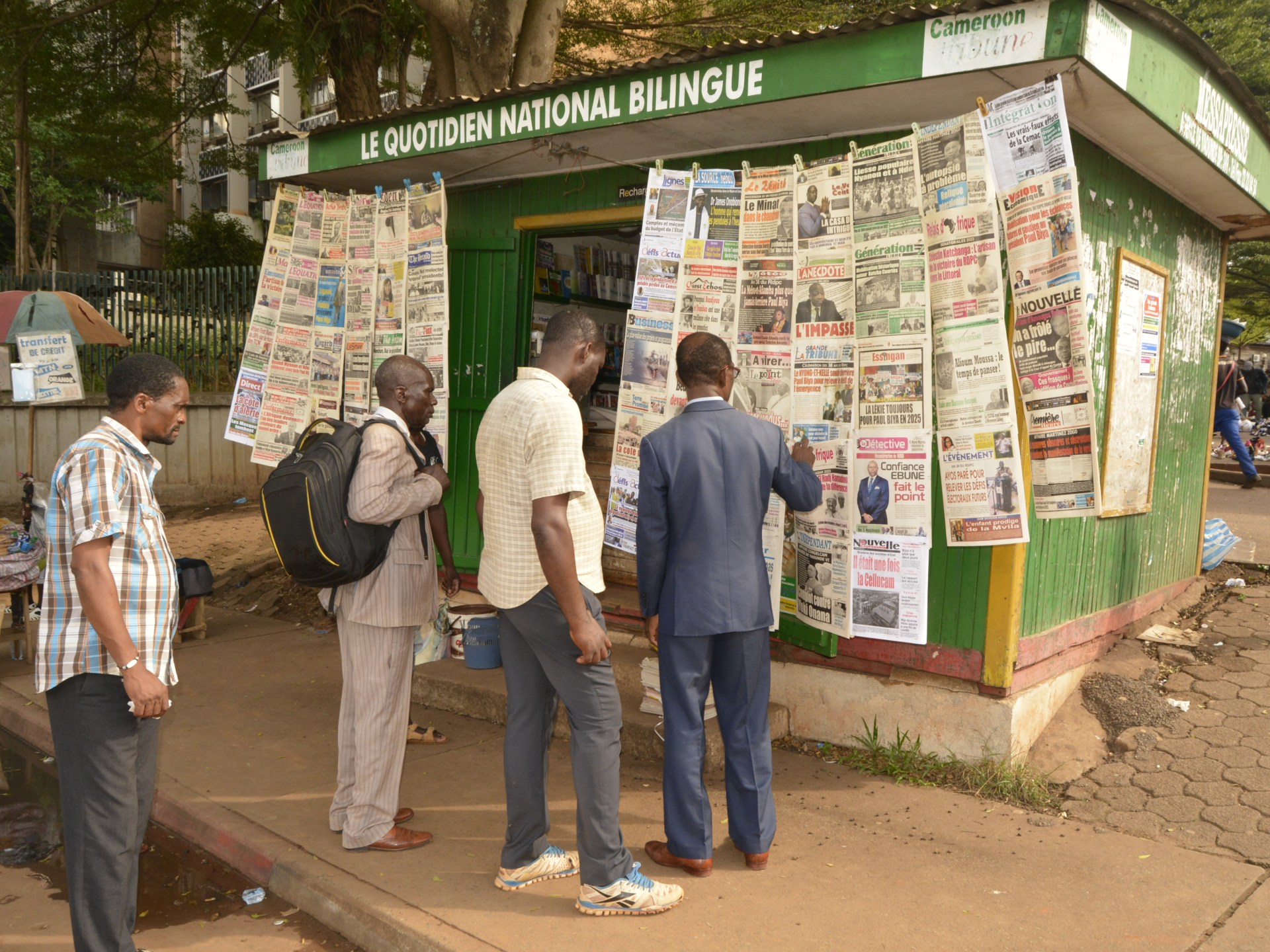
Cameroon Faces Political Uncertainty Amid Leadership Questions
Return of President Biya Sparks Speculation
Every weekday at 5 PM, many Cameroonians, including 39-year-old Elvis Mbi, tune into the flagship radio bulletin from the state broadcaster. Their expectations hinge on an announcement from President Paul Biya that may signal changes in the nation’s political leadership. Following his return to Cameroon on August 20 after a 10-week absence, conversations surrounding his health and potential reforms have intensified.
Delayed Expectations for Government Reshuffle
Upon his return, anticipation built for a government reshuffle, particularly with the vice presidency position vacant since its restoration through a constitutional amendment in April. As of October 6, no new appointments had been made, leaving the political atmosphere charged with uncertainty.
“Every Cameroonian was expecting him to change the government, but nothing has happened yet,” Mbi expressed in an interview with Al Jazeera.
Historically, the topic of succession has been sensitive; in his December 31, 2025, speech, Biya promised a government formation “in the coming days,” yet nine months later, citizens remain in suspense.
Implications of the Vacant Vice Presidency
The reestablishment of the vice presidency is particularly significant, given that it was abolished in 1972. Under the newly passed Law No. 2026/002, the vice president can temporarily assume presidential duties in the event of the president’s incapacity or death. This amendment formalizes succession protocols while granting the president discretion over appointments, with no defined timeline for filling the vice presidential position.
As Mbi noted, the delay in this critical appointment raises concerns. “We all know the president needs assistance in order to execute state duties… but nothing has happened yet to our greatest dismay.” The atmosphere of uncertainty is further aggravated by a disputed decree purportedly appointing a vice president, which has not been officially recognized by the government.
In a strange turn of events, a sealed envelope allegedly containing a presidential decree reached Cameroon Radio Television (CRTV) in June, but the government later confirmed that the document was not issued through proper channels and an investigation is ongoing.
Political Speculation and Media Influence
Political analysts, including Jude Mutah, a governance and democracy expert, highlight that the anticipation surrounding the evening bulletin reflects broader public expectations for political changes. He noted that in the absence of clear information, speculation can thrive, contributing to a climate of uncertainty.
Opposition leader Cabral Libii emphasized that appointing a vice president is pivotal not merely for governance stability but also for securing leadership within the party. “Appointing your vice president means securing your leadership,” he stated, highlighting the broader implications of this political vacancy.
Broader Challenges Amid Political Unrest
Cameroon’s political ambiguity occurs against a backdrop of significant challenges, including a separatist conflict in English-speaking regions and ongoing insecurity linked to Boko Haram near Lake Chad. Analysts like Jason Healy from BMI warn that political instability could deter investors from engaging in substantial projects, further complicating the nation’s recovery.
Government’s Position on Presidential Authority
The government has defended President Biya’s right to determine the timing of appointments. Communication Minister Rene Emmanuel Sadi remarked in an August interview that it is normal for the president to exercise caution in filling such an important position. Mbi echoed sentiments of frustration, suggesting, “It is so disheartening when I tune in each time but don’t get the big news.”
