


Long Wait Times and Ballot Shortages Reported During Chicago Midterm Elections
Chicago voters experienced significant delays at polling places during the midterm elections on Tuesday, primarily due to a shortage of paper ballots. Multiple locations, including Uptown, Pilsen, Logan Square, Albany Park, and the Near West Side, reported running out of ballots at least twice.
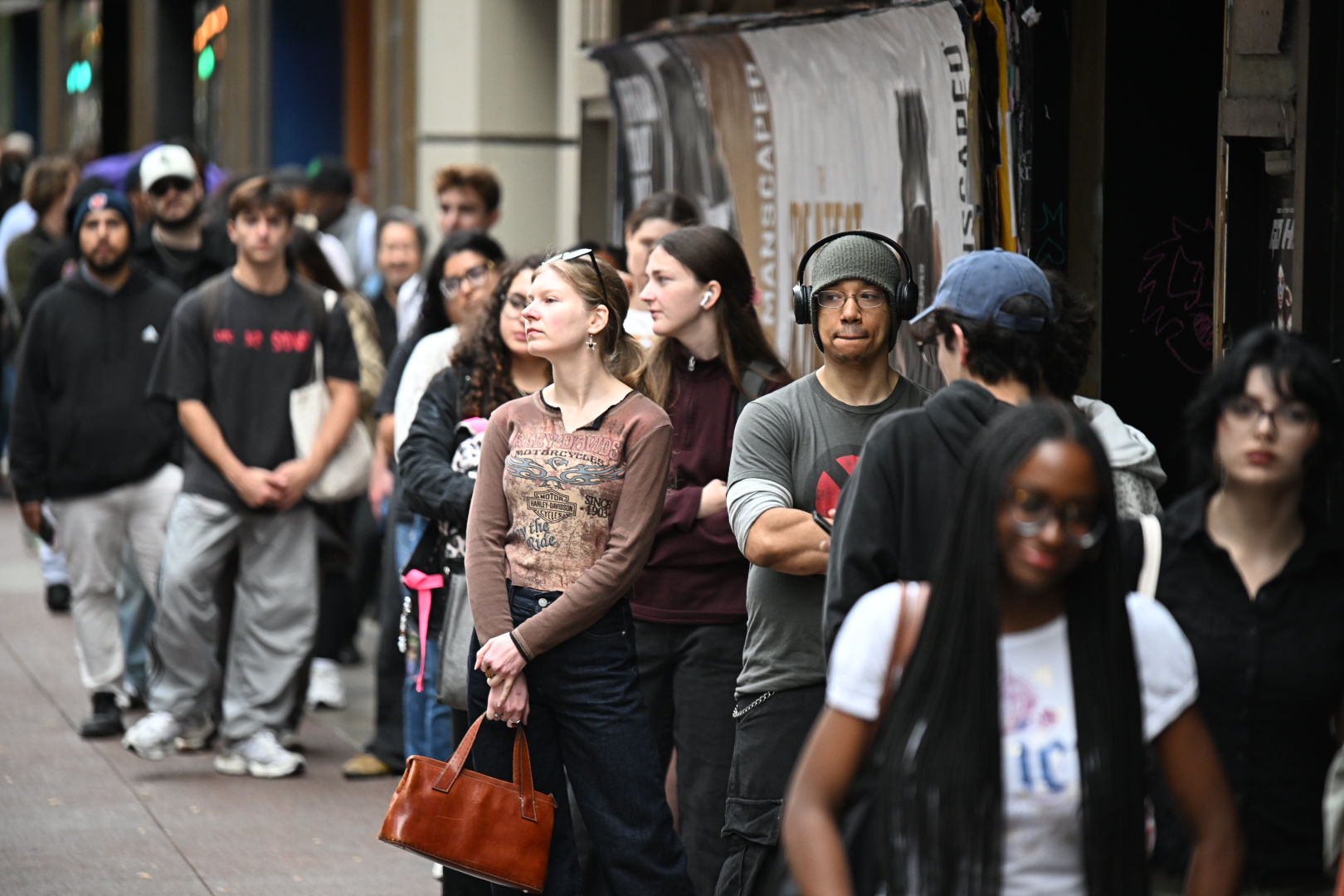
Voters faced long queues as they awaited the limited number of electronic voting machines available. For instance, at Goudy Elementary School in the 48th Ward, voters had to stand in line for extended periods, particularly after the site ran out of paper ballots early in the morning.
Election officials indicated they were aware of the shortages and were actively investigating the situation, particularly in precincts with multiple ballot styles. The Chicago Board of Elections reported issues primarily in split precincts, where voters faced different ballot combinations.
By mid-afternoon, the Board of Elections had confirmed reports of ballot shortages and indicated that additional ballots were being printed and distributed from their Downtown facility.
“We apologize. It is frustrating, but we’re working the problem, investigating and accommodating voters,” said Julie Metea, the Board of Elections interim spokesperson.
Delayed Voting Experiences
Mike Nellis, the Democratic committeeman for the 32nd Ward, described a polling location at Holstein Park as experiencing a two-hour delay for voters after running out of ballots. Nellis criticized the lack of preparation given the anticipated high voter turnout.
In Albany Park, Emily Hilleren faced a long wait at Roosevelt High School when the polling site ran out of paper ballots. After struggling with the line, she and other voters opted to vote at the American Indian Center, which had a shorter wait time and more electronic machines available.
Line Lengths and Voter Responses
Long wait times were also reported at various polling locations. For example, voters at Goethe Elementary School noted waits of several hours due to repeated shortages of paper ballots. Election judges mentioned receiving additional ballots late in the day, but many voters had already left or chosen to vote elsewhere.

As voters dealt with challenges, some suggested that the ballot shortages constituted voter suppression, impacting those who struggled to wait in long lines.
Election Day Statistics
By mid-afternoon, approximately 232,672 ballots had been cast compared to around 227,633 during the same time in the previous midterm elections. The significant turnout was a factor contributing to the strain on resources at polling locations.
Officials assured voters that anyone in line by 7 p.m. would still be allowed to vote, providing some reassurance amid the challenges faced at polling places throughout the city.