


Crypto ATMs: A Growing Channel for Scams and Fraud
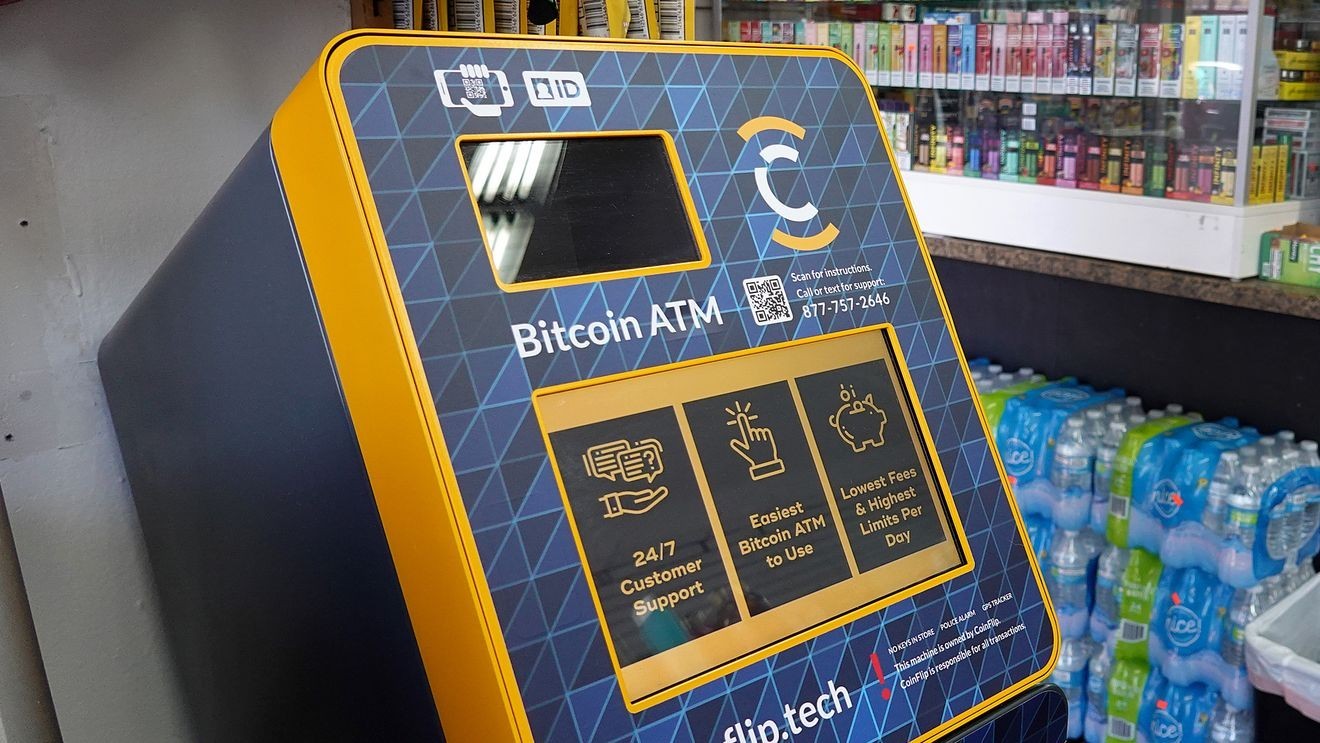
SEATTLE — With increasing anonymity, speed, and irreversibility, cryptocurrency has become a favored tool for scammers. One common method involves directing unsuspecting victims to crypto ATMs, where cash is converted to digital currency and sent straight to the scammer’s wallet.
The Role of Fear in Scams
Scammers typically exploit fear to manipulate victims, posing as law enforcement or tax officials. Victims often receive alarming messages claiming imminent arrest or legal consequences, pushing them to act quickly. Once panic sets in, victims are guided to the nearest crypto ATM.
Escalating Financial Losses
According to the Federal Trade Commission, losses associated with crypto ATMs have reached alarming heights, with over 13,400 reported complaints to the FBI last year. This represents a 23% increase from the previous year, resulting in reported losses of approximately $389 million, a notable 58% rise.
As most victims do not report their experiences, the actual financial impact is estimated to be around $2.7 billion, as analyzed by the Consumer Federation of America. There are over 20,000 crypto ATMs across the country, often located in accessible public venues such as supermarkets and convenience stores.
The Mechanics of Crypto ATM Scams
“Crypto ATMs are like the perfect modern getaway car for criminals,” stated Clark Flynt-Barr, AARP’s government affairs director. Due to their rapid transaction processing and minimal regulation, recovering the money sent through these ATMs is exceedingly difficult. While some scammers still utilize gift cards, they are limited in terms of transaction volume, unlike the limitless potential of crypto ATMs.
Case Study: A Victim’s Story
A retired educator, who preferred to be identified as Ellen, fell victim to a typical scam scheme highlighting the emotional toll on targets. After a call from someone claiming to be a law official, Ellen was coerced into withdrawing large sums from her bank account. The scammers had access to her personal information, making their demands appear credible and urgent.
Within days, she withdrew over $17,000 in cash and deposited it into a crypto ATM, believing she was resolving legal issues. Her ordeal only ended when a concerned bank teller alerted law enforcement, revealing the scam’s complicated layers.
Challenges in Regulating Crypto ATMs
While some kiosk operators maintain that crypto ATMs serve individuals without bank access or those receiving tips, consumer advocates argue that these claims are often overstated. Industry leaders, including Marc Grens, co-founder of DigitalMint, have noted that a significant percentage of transactions at these machines are linked to fraud, questioning the profitability of adhering to regulatory safeguards.
Legislative Efforts
In response to the surge in scams, 30 states have put measures in place. These often include daily transfer limits for first-time users and mandates for operators to issue refunds to scam victims who report incidents promptly. Some states, such as Indiana, Minnesota, Tennessee, and Vermont, have outright banned crypto ATMs.
AARP Washington is actively pursuing a statewide ban and has garnered support from 68% of residents aged 50 and older. Recent lawsuits against major operators, like Bitcoin Depot, highlight the growing scrutiny on these businesses, with accusations of facilitating fraudulent activities and ignoring anti-fraud regulations.
Effectiveness of Warning Signs
Despite the installation of visible fraud alerts near crypto ATMs, these warnings rarely deter victims. Many individuals, caught in moments of stress, disregard these notifications. Ellen’s experience illustrated this flaw, as she quickly dismissed warnings based on scammers’ reassurances.
What to Do if You Are a Victim
If you suspect that you have fallen victim to a cryptocurrency scam, it is essential to report the incident to the FBI’s Internet Crime Complaint Center (IC3). For those considering cryptocurrency investments, utilizing reputable exchanges or brokers is recommended, as crypto kiosks typically impose exorbitant fees ranging from 20% to 30%.
