


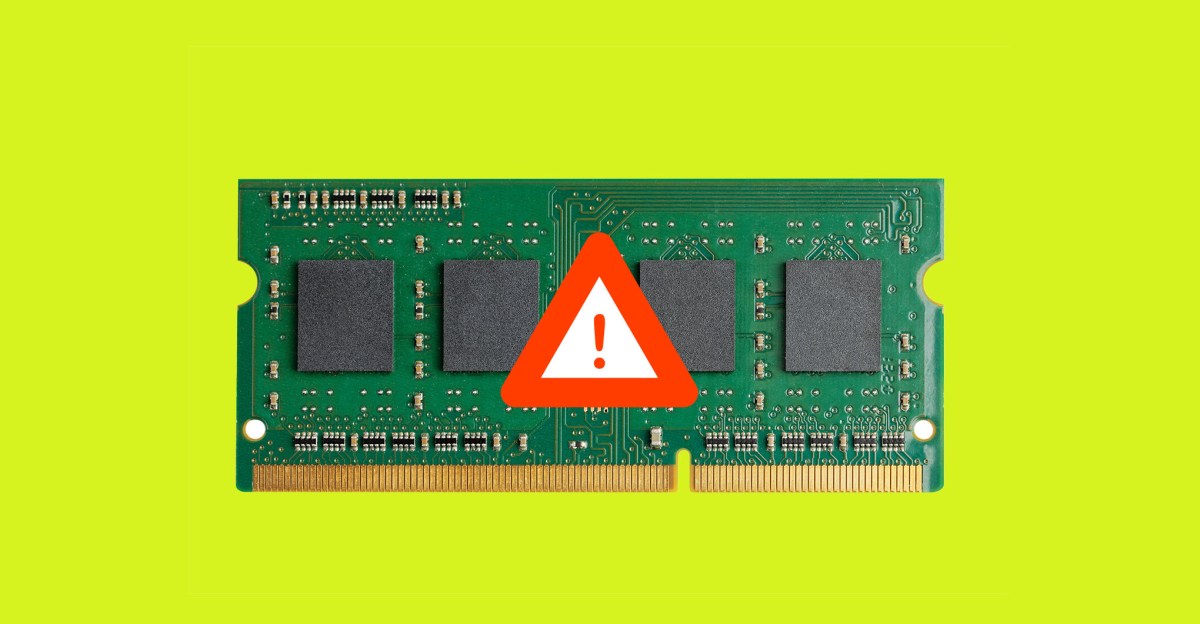
CPU Manufacturers Embrace DDR4 RAM Amid Rising Prices
The rising cost of RAM has prompted CPU manufacturers to pivot back to DDR4 memory, a more cost-effective alternative to the more expensive DDR5 RAM. Both Intel and AMD are set to introduce new processors that will provide compatibility with the older DDR4 standard, offering consumers an affordable upgrade path for their PCs.
Background on DDR4 RAM and CPU Compatibility
Gigabyte recently announced that certain motherboards will support upcoming processors utilizing the LGA 1700 socket, originally introduced in 2021 alongside Intel’s 12th generation Alder Lake CPUs. This socket was unique as it catered to both DDR4 and the then-new DDR5 memory. Moving into 2024, Intel had shifted focus towards a DDR5-exclusive strategy; however, Gigabyte indicates a revival of the dual-compatibility approach with new LGA 1700 chips anticipated for launch in early 2027.
Intel has yet to provide further details regarding these developments.
The Shift in Strategy
The decision to revert to LGA 1700’s dual memory support highlights an acknowledgment of users’ needs. By providing new CPUs compatible with DDR4 RAM, Intel aims to alleviate the necessity for consumers to invest in the high-cost DDR5 memory. Similarly, AMD is pursuing a related strategy: August saw Gigabyte announcing an enhanced series of motherboards compatible with the older AM4 platform, coinciding with the 10th-anniversary reintroduction of the Ryzen 7 5800X3D CPU.
Understanding the RAM Market Dynamics
Since its market introduction in 2014, DDR4 RAM has been succeeded by the faster DDR5. Typically, investing in technology deemed outdated—like DDR4—would not be advisable. However, the current RAM shortage has altered this landscape, making DDR4 prices less volatile than those of DDR5. This has resulted in a compelling case for users considering upgrades.
As an illustration, a recent search for a new RAM kit revealed significant price differences. A 32GB Corsair Vengeance DDR5 RAM kit is priced at approximately $620, while its DDR4 counterpart is available for around $260. Even though DDR4 pricing has increased compared to mid-2025 statistics, it remains significantly cheaper than DDR5, which is more than double the cost.
The Future of RAM Prices
Projections indicate a prolonged period before prices return to more reasonable levels, a notion reinforced by the renewed support for older sockets and chipsets. For now, consumers may find it beneficial to retain their DDR4 RAM, as it represents a more budget-friendly option in a challenging market.
