


Elevating Denver’s Urban Design: Balancing Beauty and Functionality
As an architect reflecting on 25 years in the field, the evolution of urban design principles becomes apparent, from minimalist to maximalist perspectives. Initially, I was drawn to the contrasting views of renowned architects: Mies Van Der Rohe championed “less is more” while Robert Venturi claimed “less is a bore.” Now, I find resonance in the notion that “beauty is the harmony of function and form,” a philosophy embraced by Finnish architect Alvar Aalto. His designs exemplified how practicality and aesthetic appeal can coexist, paralleling the values of reputable Scandinavian retailers like IKEA.
Current Challenges in Denver’s Urban Landscape
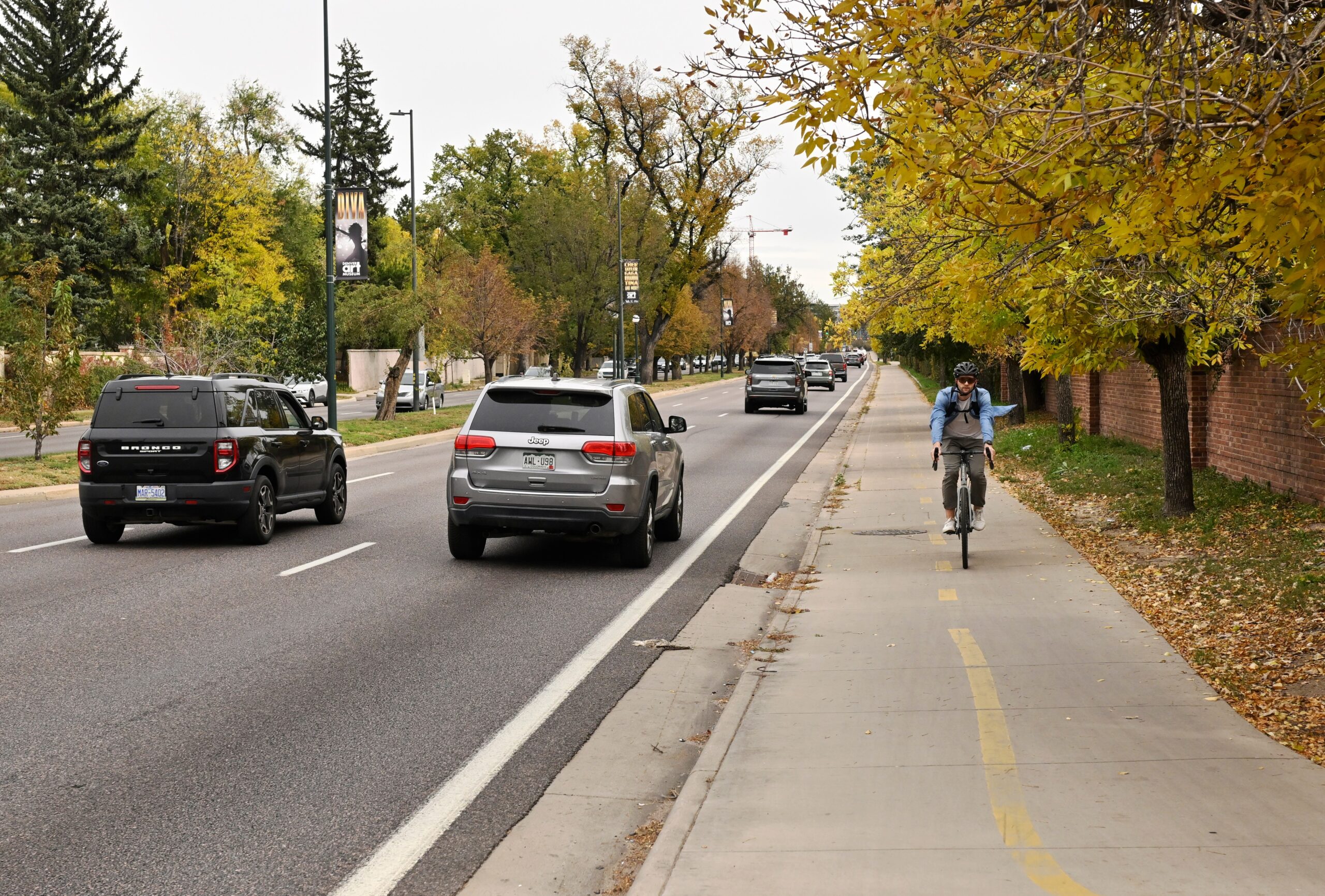
Turning to the issue at hand, Denver’s urban infrastructure faces scrutiny, particularly through the initiatives by the Department of Transportation and Infrastructure (DOTI). Over recent years, numerous projects, while beneficial in terms of safety, have often compromised the visual integrity of the city. For instance, the proliferation of white plastic posts in various neighborhoods and downtown areas aims to enhance safety, yet their prevalence tells a different story, with many poles either flattened or missing entirely. This situation suggests that merely adding safety features without considering visual impact leads to conflict within community values.
Preservation vs. Safety in Urban Design
A recent discussion surrounding the 1st Avenue Parkway reveals this ongoing dilemma. Designed in the late 19th century, the parkway holds historical significance, yet DOTI is proposing to nearly halve its median, which could result in the loss of mature trees. The conversation surrounding this proposal has created a false dichotomy, framed as a decision between preservation and safety. Such framing is misleading, as it overlooks other viable solutions that could uphold both goals.
The Influence of the City Beautiful Movement
The principles underpinning these discussions can trace their roots to the City Beautiful movement, initially popularized at the 1893 Chicago World’s Fair. This approach emphasized an orderly and aesthetically pleasing urban environment as an antidote to the disorder generated by industrialization. Robert Speer, Denver’s mayor in the early 20th century, was influenced by this movement and endeavored to integrate functional beauty into the city through its parkway system.
Restoring Denver’s Historic Sidewalks
Concerns also surround the maintenance of historic flagstone sidewalks, characteristic of neighborhoods such as Curtis Park and Capitol Hill. Despite their historical significance, the city has opted for a piecemeal approach to repairs, suggesting that only sidewalks untouched by tree roots be prioritized. This limited strategy diminishes opportunities to restore and preserve the character of Denver’s streetscapes.
Accessibility and Design Quality: A Path Forward
Many discussions have concentrated on accessibility concerns related to uneven flagstones, framing it as a competition against preservation. A proposed solution — dyeing concrete to mimic original flagstones — fails to recognize the value of authentic materials. Instead, targeted, thoughtful repairs could facilitate both accessibility and the preservation of historic fabric, as demonstrated by successful interventions in locations like the Marion Street Parkway.
The Case for a Holistic Approach
Denver’s urban planning should move away from creating false choices that vilify the pursuit of aesthetics. Prioritizing design quality is not an indulgence but rather a vital element that can spur economic growth and promote citywide equity. Areas such as Cherry Creek North have demonstrated a direct correlation between an attractive public realm and economic vitality, supporting the argument for a refreshed vision of urban planning — a City Beautiful 2.0.
Conclusion
As the CEO of Historic Denver, I advocate for a more inclusive approach to urban design, where beauty and functionality are not mutually exclusive but rather complementary forces shaping our city. Embracing this philosophy can contribute immensely to enhancing both the safety and charm of Denver’s neighborhoods.