


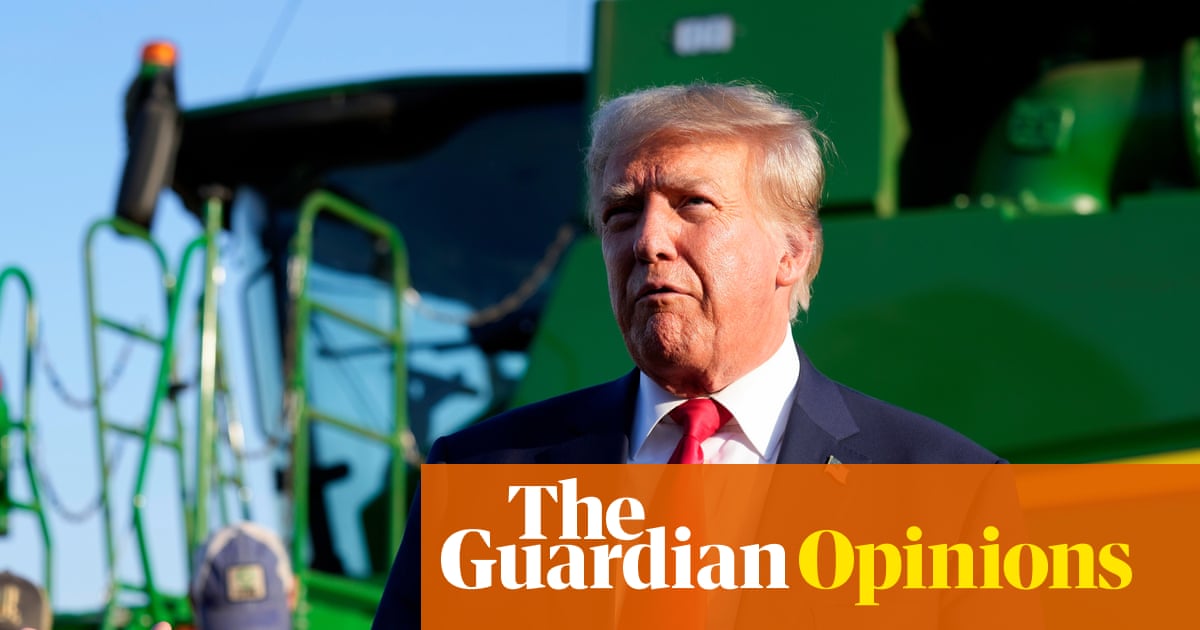
The Impact of Trump’s Policies on Rural Farmers and Political Shifts
A Transformation in Political Support
Historically considered a bastion of Republican support, rural Kansas may be on the verge of a significant political shift, with the potential election of its first Democratic senator in nearly a century. This shift is largely attributed to growing dissatisfaction among rural voters concerning Donald Trump’s agricultural policies.
Erosion of Support Due to Economic Challenges
Following Trump’s victory in farm regions during the 2024 elections, many voters in agricultural states like Kansas, Iowa, and Nebraska are voicing their discontent with the administration’s economic management. A staggering 70% increase in diesel fuel prices—a crucial expense for farmers—coupled with rising farm bankruptcies and diminished agricultural exports due to trade policies, have contributed to this discontent.
Polling data suggests that Republican candidates may face unexpected challenges in historically conservative states, with a notable decline in support from rural voters who previously favored Trump.
Policy Outcomes Affecting the Agricultural Sector
Trump’s decisions, including thrusting the nation into trade wars and military engagements, have had dire effects on the farming community. Economic downturns in rural areas have intensified due to significant increases in operational costs, such as fuel and fertilizer. Trump’s legislative actions, particularly the controversial “big, beautiful bill,” have also been criticized for cutting essential food assistance programs, jeopardizing health insurance for millions of rural residents.
“He has sold out rural America with his policies,” stated Jon Tester, a third-generation farmer and former U.S. senator.
Responses from Key Organizations and Leaders
Critiques have emerged from various fronts, including conservative think tanks like the Cato Institute, which highlighted that Trump’s tariffs have resulted in escalating costs for farmers while diminishing their product exports.
The economic strain facing farmers is further depicted by John Hansen, president of the Nebraska Farmers Union, who noted that the agricultural sector is grappling with its worst financial crisis since the 1980s. Hansen emphasized:
“Because of the misuse of tariffs and high input costs, farmers are facing a financial crisis.”
Concerns Over Rising Input Costs
Many farmers are now experiencing unprecedented financial pressure. Vance Ehmke, a farmer from Kansas, remarked that his fuel costs have surged by $50,000 compared to the previous year—an increase attributed directly to the war against Iran and escalating diesel prices.
Recent surveys indicate that a significant proportion of rural voters are discontented with how the Trump administration has managed economic conditions, reflecting a stark contrast to the sentiment during the 2024 elections when they largely supported him.
The Future of Rural Political Dynamics
The growing dissatisfaction among farmers—traditionally aligned with Republicans—signals a potential shift in political allegiance as they seek representatives who advocate for their interests. Many are now eyeing the upcoming elections with a focus on candidates who prioritize agricultural stability and economic recovery.
Some farmers, like Matt Bell from North Carolina, have articulated their frustrations, asserting that their loyalty to the GOP is waning due to a lack of adequate support from their representatives. He stated:
“Everything we touch has gone up. We’re in a position now where we’re mad and ready to be heard.”
Conclusion: A Call for Change in Representation
As the agriculture sector continues to struggle, farmers are expressing a clear desire for political representation that addresses their pressing issues. Voices from the farming community underscore the need for changes in policy and representation, demonstrating the potential for Democrats to gain ground in traditionally Republican strongholds. The upcoming elections will showcase whether these shifts in sentiment translate into significant political changes across rural America.
