


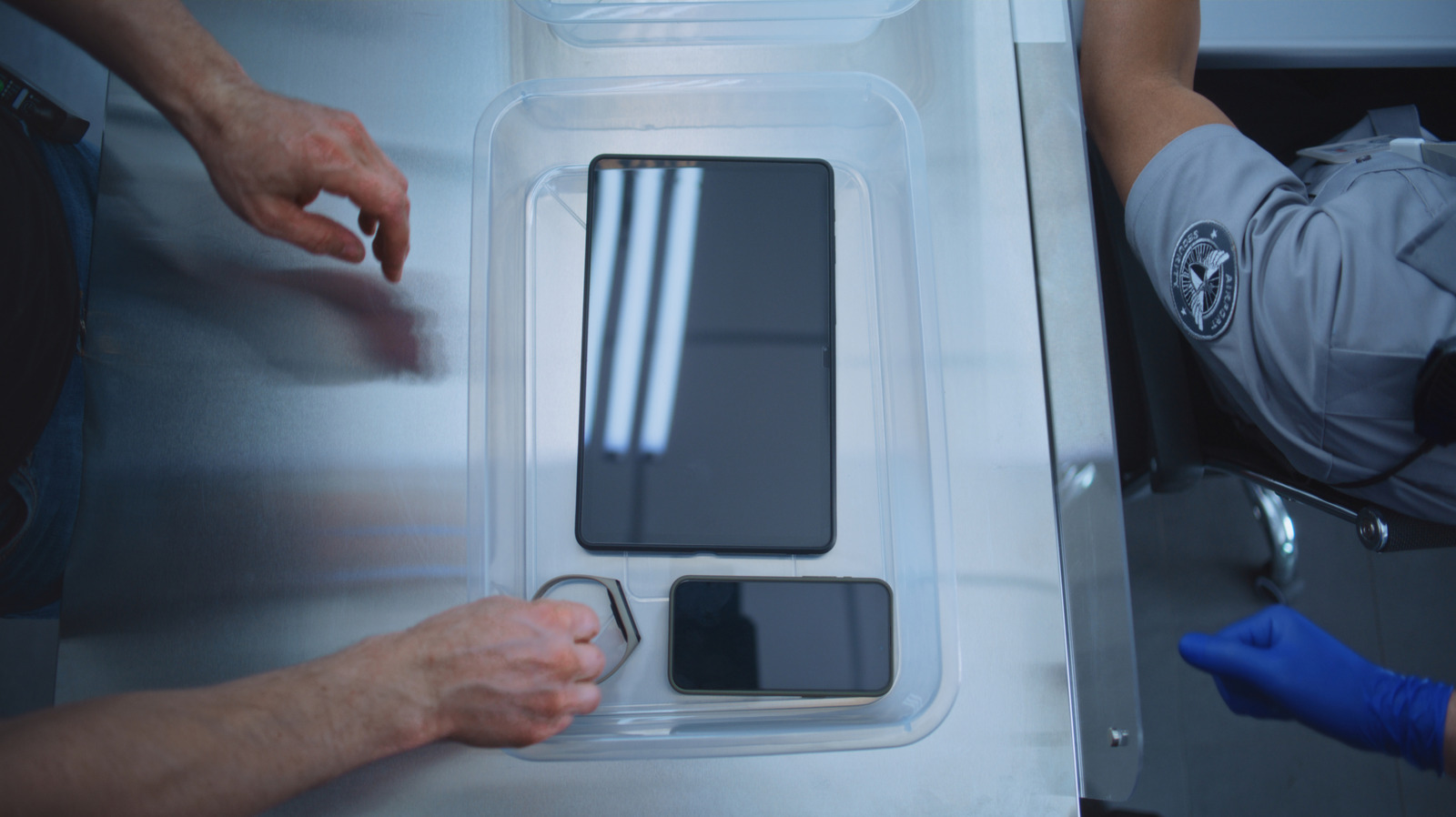
Why You Should Think Twice About TSA Bins for Your Phone
The hygiene risks of airport security bins
Frame Stock Footage/Shutterstock
Understanding TSA Procedures
Many travelers have grown accustomed to juggling multiple devices such as smartphones, tablets, and laptops while navigating TSA checkpoints. While managing these items efficiently is essential, the safety and hygiene of your belongings should not be overlooked.
The Risks of TSA Bins
The public perception of TSA bins often overlooks their cleanliness. Given the high volume of travelers that pass through airports daily, it’s unlikely that these bins receive routine sanitation, raising concerns about hygiene.
These bins are frequently touched by countless individuals, some of whom may carry germs or sickness. Research suggests that these surfaces can harbor various viruses and bacteria, making it crucial to reconsider how we store personal electronics while traveling.
Safe Practices for Handling Your Phone
To avoid direct contact between your phone and the TSA bin, consider the following measures:
- Store your phone in your carry-on luggage until you reach the X-ray machine.
- Place your phone in a jacket pocket that can be placed in the bin, keeping it safe and secure.
- Extend these principles to other small items, such as wallets and keys, to minimize exposure to potentially contaminated surfaces.
For larger electronics like laptops and tablets, which need to be placed in separate bins, ensure they are housed in protective cases to shield them from any residual contaminants.
Post-Security Hygiene
Once you have passed through security, it’s wise to prioritize hand hygiene. Carry hand sanitizer or make a point to wash your hands to reduce the risk of transferring germs to your face or other belongings.
