


Increase in Measles Cases Among Pregnant Women in Pennsylvania Raises Alarm
The Pennsylvania Department of Health has issued a critical alert regarding a surge in measles infections among pregnant women and a rare rise in congenital measles. This alarming trend comes as the state has experienced an outbreak since April.
Impact on Pregnant Women
Since the outbreak began, 66 pregnant women in Pennsylvania have been diagnosed with measles. Health officials emphasize that contracting measles during pregnancy can lead to serious complications, including:
- Increased risk of miscarriage
- Early labor
- Low birth weight
While the exact number of affected pregnancies leading to complications remains unknown—due to state confidentiality laws and the absence of a national tracking database—anecdotal evidence suggests increased health risks.
Measles Outbreak Overview
This year, the United States has reported 4,410 cases of measles, with Pennsylvania accounting for 1,286 of these infections as of the latest updates. Measles outbreaks are particularly concerning given the previously low incidence of congenital measles, a condition affecting infants born to mothers infected shortly before childbirth.
Understanding Congenital Measles
The American Academy of Pediatrics recently added information on congenital measles to its resources, in light of the rising cases. This condition occurs when mothers contract measles within two weeks prior to delivery, and newborns may show symptoms within 10 days post-delivery. Symptoms can vary significantly and may include:
- Rash
- Fever
- Pneumonia
- Neurological issues
- Low blood platelets
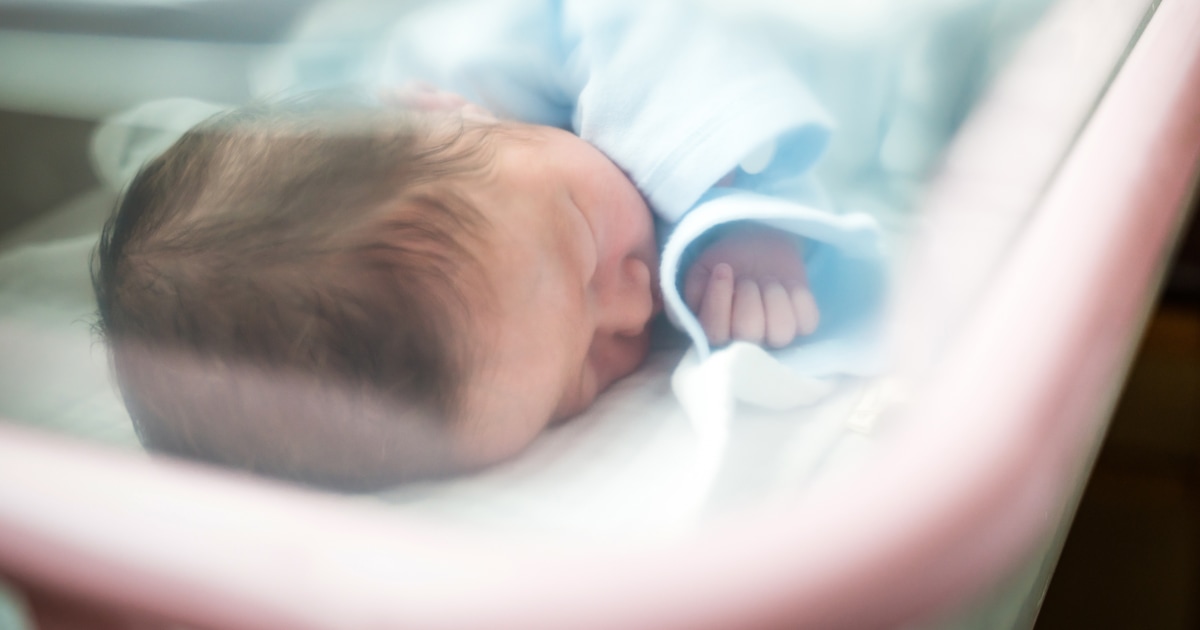
At least six infants in Pennsylvania have reportedly been born with congenital measles, and some have required hospitalization due to severe complications.
Long-term Consequences
The Pennsylvania Department of Health cautions that congenital measles may lead to severe long-term effects, including a rare neurological condition known as subacute sclerosing panencephalitis (SSPE), which typically manifests 7 to 10 years post-infection and is almost universally fatal.
Prevention and Care
Currently, there is no targeted treatment for congenital measles; care is primarily supportive, focusing on hydration and respiratory support. The best preventive measure is vaccination, recommended for women prior to pregnancy. Pregnant women diagnosed with measles cannot receive the vaccine, as it contains a weakened live virus.
Post-exposure Protocols
If unvaccinated pregnant women are exposed to measles, they may receive a dose of immunoglobulin within six days to mitigate the risk of infection and severe illness. After childbirth, the measles vaccine is safe for breastfeeding mothers.
Conclusion
The current outbreak underscores the importance of vaccination to protect both maternal and infant health against measles. As the situation evolves, public health officials continue to monitor and address these pressing health concerns.
