


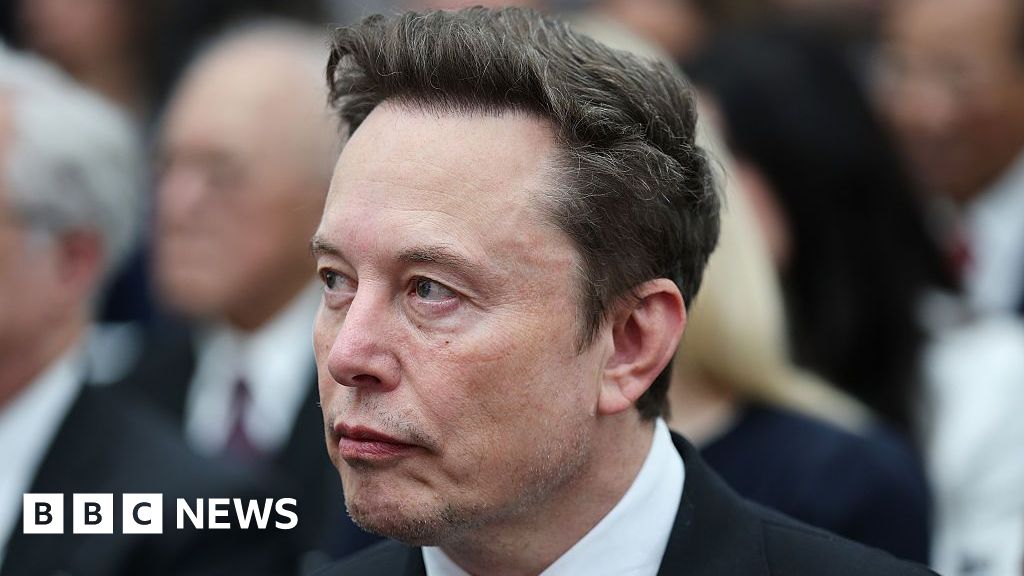
Elon Musk’s Influence in Texas Midterms: A Setback for Republicans
The recent midterm elections in Texas revealed significant shifts in political dynamics, particularly affecting billionaire entrepreneur Elon Musk. Despite Musk’s vocal support and substantial financial backing of Republican candidates, the electoral outcomes did not favor the GOP, leading to declines in his associated ventures.
Musk’s Political Investment and Results
Elon Musk, known for his leadership at SpaceX and Tesla, actively backed various Republican candidates in the Texas midterms. However, the election results suggested a different trajectory, with several candidates he supported failing to secure crucial victories. This unexpected outcome is reflected in the declining stock prices of Musk’s companies, with both SpaceX and Tesla experiencing notable downturns following the election results.
Market Reactions to Election Results
Post-election analysis indicated that the Republican Party’s losses in Texas had immediate repercussions on stock performance. Analysts observed that investor sentiment was negatively affected, leading to a drop in Tesla and SpaceX stocks. The market’s response underscores the connection between political landscapes and corporate valuations in a rapidly changing economic environment.
Musk’s Forward-Looking Statements
Implications for the Future
The recent midterm elections have sparked discussions about the potential long-term impact of Musk’s political affiliations on his businesses. As Texas flipped to a more Democratic influence, the implications for Musk’s operations in the state and beyond have come into sharper focus. Analysts will be monitoring not only the stock market trends but also Musk’s strategic decisions moving forward in this evolving political landscape.
Conclusion
Elon Musk’s foray into the political arena during the Texas midterms serves as a significant case study in the complexities of business and politics. The outcomes may shape future electoral engagement strategies by prominent figures in the tech industry as they assess the interplay between political investments and corporate performance.
