


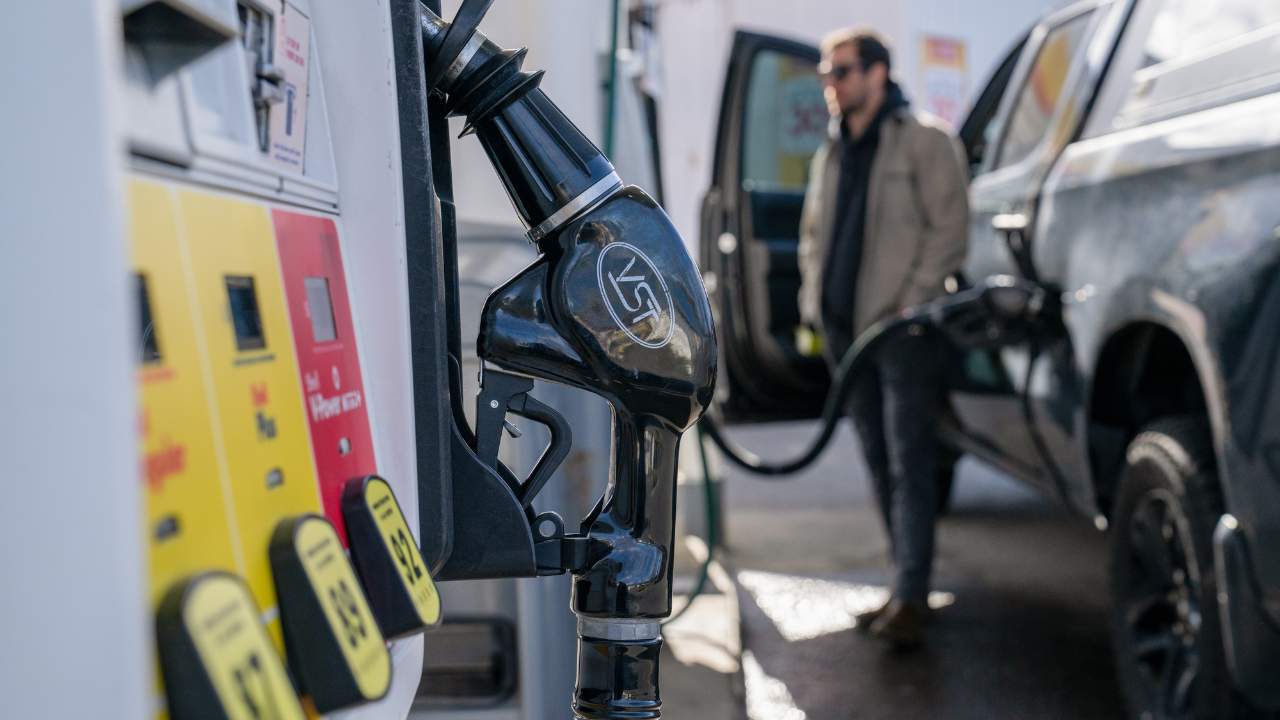
Rising Oil Prices Amidst Strong Consumer Spending
In a recent commentary, economist Larry Kudlow highlighted a paradox within media narratives surrounding the U.S. economy. He noted a disproportionate focus on gasoline prices, overshadowing a significant increase in consumer spending, which has reportedly risen by 3.5% after adjusting for inflation.
Oil Companies Report Record Profits
While consumers grapple with soaring gasoline costs, U.S. oil companies have registered substantial profit margins in the third quarter. The surge in global oil prices, spurred by geopolitical tensions and supply chain difficulties, has resulted in remarkable earnings for industry leaders like ExxonMobil and Chevron.
ExxonMobil, the largest oil producer in the United States by market capitalization, noted a significant shift in its revenue streams, indicating that refining operations outpaced exploration and drilling revenues for the first time in six years. Chevron also reported record earnings from its downstream operations during this period.
The Impact of Global Conflicts on Prices
Consumers have felt the brunt of price hikes at the gas station, particularly due to international conflicts that have impacted oil supply chains. The ongoing war in Iran has complicated energy distribution from the Middle East, while the conflict between Russia and Ukraine continues to disrupt energy infrastructure, driving up prices significantly.
According to American Automobile Association (AAA) statistics, the national average price for a gallon of regular gas reached $4.20 on a recent Friday, slightly down from $4.43 a month prior but significantly higher than last year’s $3.03 average. Furthermore, diesel prices hit a high of $6.52 per gallon in September, as reported by AAA.
Effects on the Trucking Industry and Consumer Goods Prices
Rising diesel costs have particularly taken a toll on the trucking industry, a sector heavily reliant on affordable fuel prices. The elevated costs of transportation directly affect consumer prices for groceries and other goods throughout the United States.
Consumer Price Index Data
The September Consumer Price Index (CPI), published by the Bureau of Labor Statistics, corroborated this trend, showing gas prices increased by 9.1% month-on-month and 34.2% year-on-year. This volatility underscores the broader economic implications of fluctuating energy costs and their ripple effects across various sectors.
Since the beginning of the Iran conflict in February, gas prices have shown significant month-to-month variations, with spikes as high as 21.2% in March and a 9.1% increase in September. After a brief respite during the summer months, prices surged again due to ongoing geopolitical uncertainties.
Conclusion
As the U.S. grapples with high energy prices and a strong consumer market, the interplay of global events and domestic spending remains critical to understanding the current economic landscape. With policymakers closely monitoring these trends, strategic responses will be essential to mitigate the impact on American consumers.
