


Funding Challenges for Fargo’s Resource and Recovery Center
Background on the Resource and Recovery Center
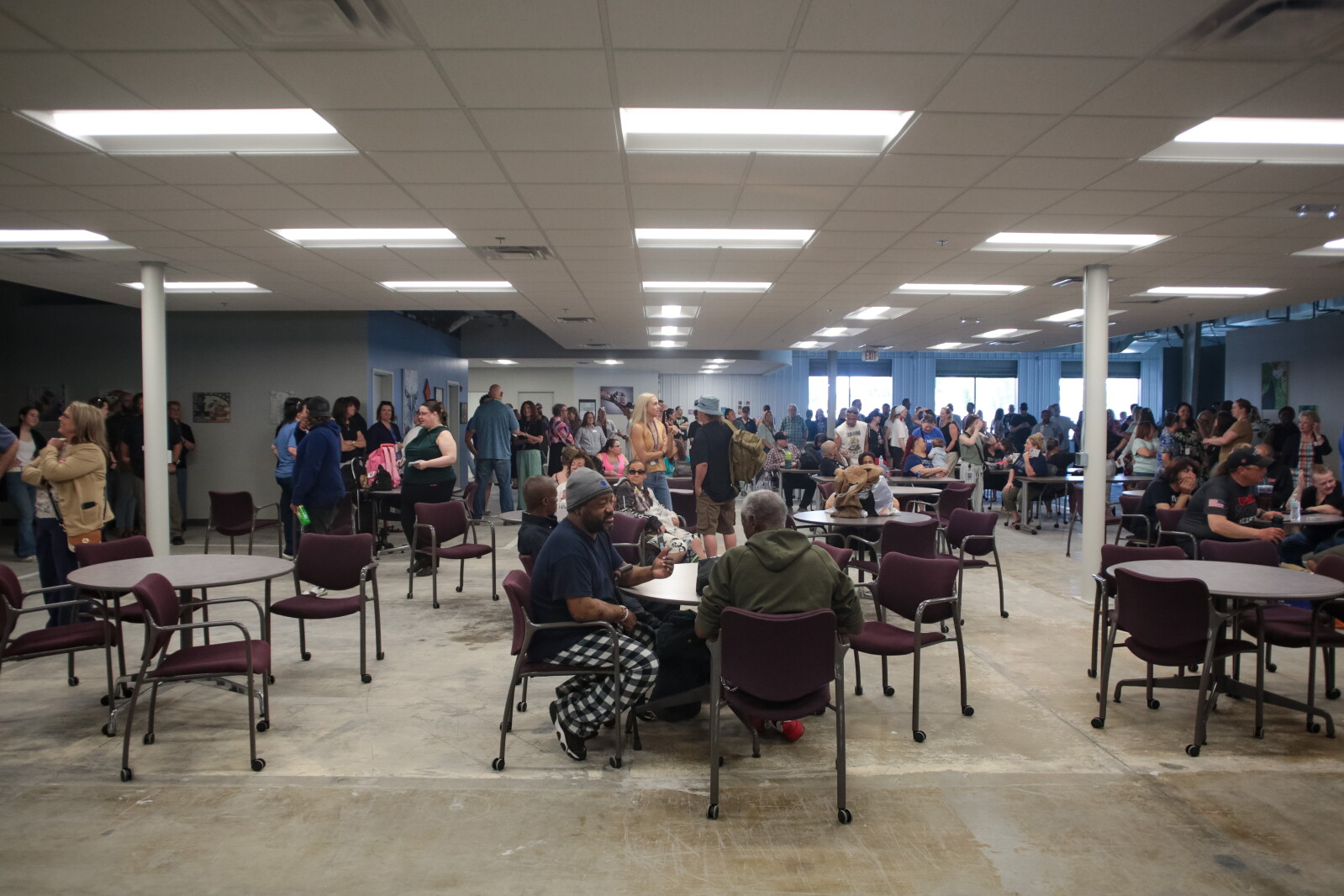
In Fargo, the establishment of the Resource and Recovery Center represents a critical commitment to addressing homelessness. The city has invested over $1 million in taxpayer money to get this facility operational. However, recent months have presented challenges, particularly as donations intended to aid in the reimbursement of city funds have declined.
Current Financial Status
As of late September, Fargo secured $573,892 in donations, as reported by Eric Wilkie, the Executive Director of the Fargo-Moorhead Area Foundation, which oversees the fundraising efforts for the center. This amount has only marginally increased from the $292,737 reported earlier this year.
Mayor Josh Boschee, who took over leadership following the tenure of former Mayor Tim Mahoney, acknowledged that fundraising momentum has stagnated since the transition in leadership. “In terms of confidence, we live in a very generous community,” he stated, expressing hope that donors would support the initiative as they have in the past.
Facility Transition and Improvement
Opened in May, the Resource and Recovery Center is located at 2001 First Ave. N., having taken over services that were previously provided by the Downtown Engagement Center (DEC) at 222 Fourth St. N. The move sought to address overpopulation at the DEC, which was initially intended as a temporary solution to homelessness but became overwhelmed as the issue worsened.
The City Commission’s decision to relocate services to a larger, former warehouse was based on extensive research and operational efficiency needs. The DEC has since been rebranded as the Resource and Recovery Center, reflecting the shift in focus and services.
Funding and Operational Costs
The city has set an ambitious target of raising over $2.2 million for the center. Commissioner Michelle Turnberg raised concerns regarding the facility’s funding, particularly during a recent City Finance Committee meeting. The city used $1.3 million from its building fund for renovations, with additional funds allocated to cover operational costs for winter warming services.
Presently, the city pays $20,015 monthly under a two-year lease agreement for the facility. Discussions about the future of the center, including whether to renew the lease or opt for purchase, will take place in 2027.
Community Support and Stakeholder Involvement
The Resource and Recovery Center operates with significant community involvement, hosting over 24 nonprofit organizations aimed at assisting those experiencing homelessness. Family HealthCare’s Homeless Health program, which provides crucial health services, has also made the center its operational base.
Despite funding setbacks, Mayor Boschee remains optimistic, focusing on the community’s backing during his campaign and the subsequent need to demonstrate the center’s impact. “I think we’re proving a model that we can go to the state and say, ‘How do we replicate this in other parts of the state,’” Boschee noted.
Conclusion
As Fargo navigates the complexities of funding and operational management for the Resource and Recovery Center, the importance of community support cannot be overstated. The city aims to leverage the center’s success and model as a catalyst for broader solutions to homelessness across the region.
