


Financial Strains on Iran’s Military and Regional Alliances
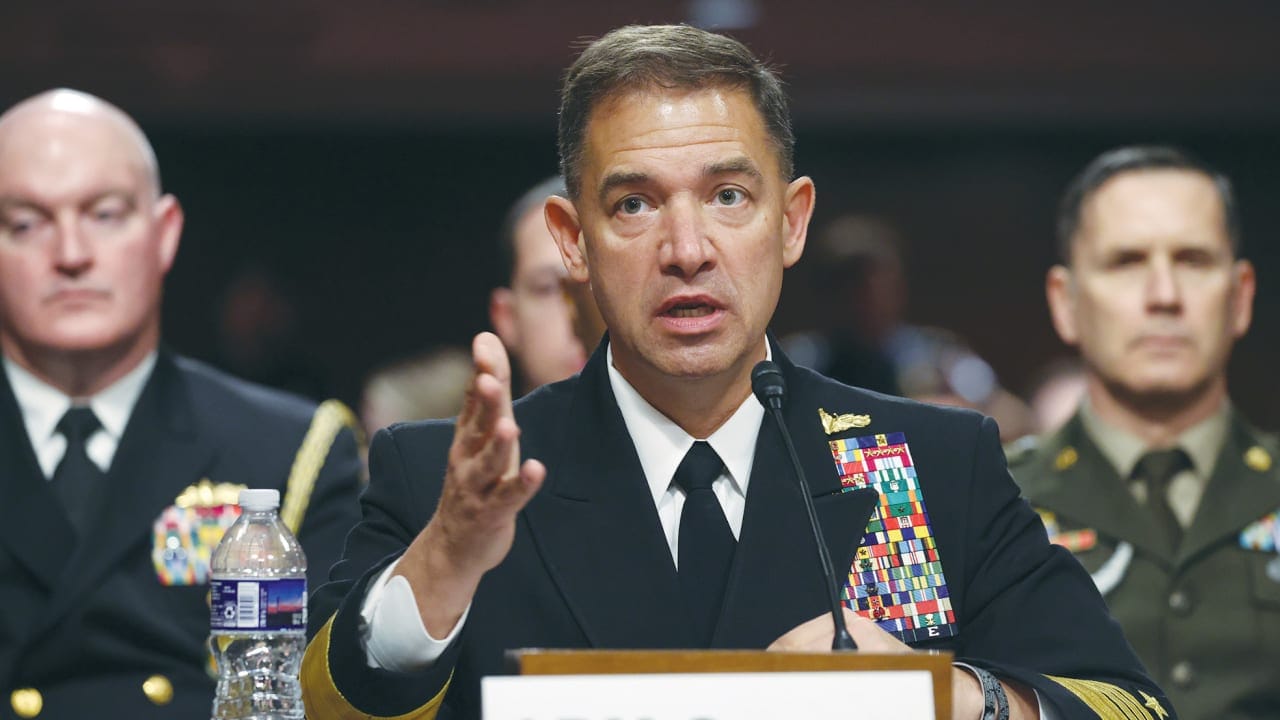
Iran’s military, notably the Islamic Revolutionary Guard Corps (IRGC), is facing significant financial difficulties amidst escalating economic pressures, as highlighted by U.S. Central Command (CENTCOM) chief Admiral Brad Cooper in a recent video statement. This strain appears to be affecting not only the IRGC but also various militias aligned with Tehran, including groups in Iraq, Hezbollah, and Hamas.
Impact of Economic Sanctions
According to Adm. Cooper, a U.S. naval blockade has resulted in an estimated loss of $25 billion in oil revenue for Iran. This financial crunch has compelled allied militant groups to redirect their resources towards sustaining the IRGC, which has reportedly begun to withhold salary payments from its own fighters in a bid to cover the IRGC’s military payroll needs.
Increasing Militancy Amid Financial Strain
Cooper indicated that this desperate financial situation is likely fueling an uptick in Iranian attacks on maritime vessels in the Strait of Hormuz. Despite these aggressions, he reassured that the crucial waterway remains operational, with 400 ships carrying roughly 100 million barrels of oil passing through it in the preceding week.
Strategic Military Considerations
The U.S. military has largely refrained from engaging Iranian military positions threatening navigation in the Strait of Hormuz in recent weeks. This operational pause seems strategically timed, especially given the approaching U.S. midterm elections and fluctuating approval ratings for President Donald Trump, which have dipped to approximately 38%, as reported by NBC News.
Diplomatic Efforts amid Conflict
Recent reports suggest that the White House, in coordination with mediators from Qatar, is waiting for a response from Iran regarding a U.S. counterproposal aimed at concluding ongoing conflicts in the region. Officials believe that Iran’s increased attacks on maritime commerce may be a tactical effort to elevate oil prices and apply further pressure on U.S. policymakers ahead of the midterms.
Concluding Remarks
The combination of economic difficulties for the IRGC and aggressive regional tactics reflects a broader strategic challenge not only for Iran but for international interests in the region. As the situation evolves, the responses from both Iranian authorities and the U.S. government will be critical in shaping the geopolitical landscape of the area.
