


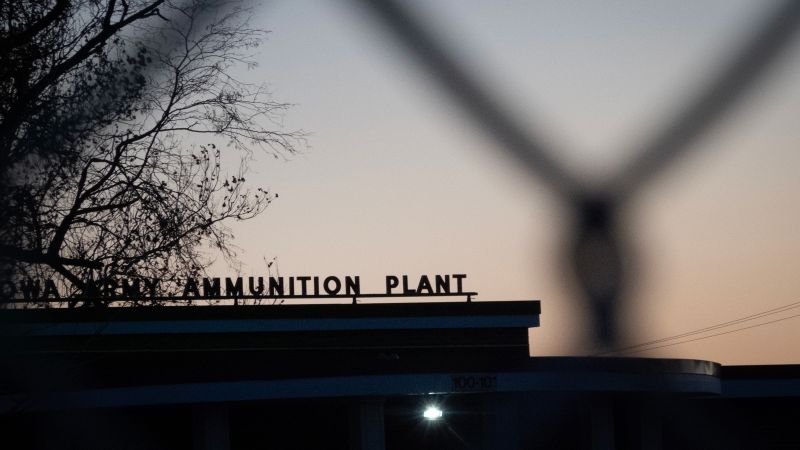
Iowa Residents Express Concerns Over Planned Lead Azide Detonation
Concerns are escalating among residents in southeastern Iowa regarding the impending detonation of five tons of lead azide at the Iowa Army Ammunition Plant in Middletown. A recent federal court decision has paused the detonation process amid fears of potential health risks to the local population and surrounding areas.
Court Halts Detonation Plans
A federal judge issued a temporary order preventing the U.S. Army from proceeding with the scheduled detonation initially set for November 10, now rescheduled for November 13. This legal action follows a lawsuit filed by environmental groups challenging the safety and environmental protocols associated with the detonation.
Overview of the Detonation Plan
The Army, in cooperation with the U.S. Environmental Protection Agency (EPA), aims to destroy approximately 70 drums of lead azide, an explosive used in munitions. The decision to detonate stems from the discovery that the compound had degraded and become unstable, posing a risk of accidental detonation during transport.
“Packing and transporting it poses an unacceptable risk of accidental detonation to personnel handling and transporting as well as to the public,” stated Acting Army Secretary Adam Telle.
Health Risks and Community Reactions
Critics of the detonation plan, including local officials and health experts, are particularly worried about the potential spread of toxic lead dust resulting from the explosion. Such contamination is especially hazardous to children, as lead exposure can have severe health consequences.
Iowa Governor Kim Reynolds has activated the state emergency operations center in response to community concerns, while Illinois officials have also advised residents near the state border about potential exposure.
Local and Political Pushback
Community response has been overwhelmingly negative. Josh Turek, U.S. Senator-elect from Iowa, has urged the Army to reconsider the timing of the detonation, citing overwhelming public concern regarding health implications from lead exposure. “People need clarity and assurance about their safety,” he remarked.
Illinois Governor JB Pritzker emphasized the need for transparency regarding the detonation’s potential impacts on residents across the Mississippi River. In addition, environmental advocates filed a lawsuit against the EPA concerning the emergency permit enabling the planned detonation.
Environmental and Health Considerations
Experts point out that lead exposure is harmful at any level, with serious implications for brain health, particularly in children. Dr. Sameer Vohra of the Illinois Department of Public Health stated, “There is no safe level of lead in the body.” Environmental groups stress the importance of comprehensive assessments to understand the potential reach of toxic lead particles, especially concerning local water bodies and populated areas.
Future Actions and Monitoring
The Army has announced plans to monitor the situation closely in collaboration with the EPA and local officials. Despite the legal pause, officials continue to prepare for the detonation while addressing community transparency and safety concerns. “All agencies involved are prepared to take extreme measures to ensure public safety,” stated an interagency spokesperson.
The timeline for the detonation remains uncertain as appeals and community dialogues persist. The Army has stated that the current emergency permit allows for detonation activities to take place between November 13, 2026, and February 11, 2027, making it a priority to resolve the situation before environmental conditions worsen.
As discussions continue, affected residents and environmental advocates remain vigilant, advocating for comprehensive safety measures and clearer communication from federal authorities.
