


Belgium Protests: A Reflection on Social Media Influence
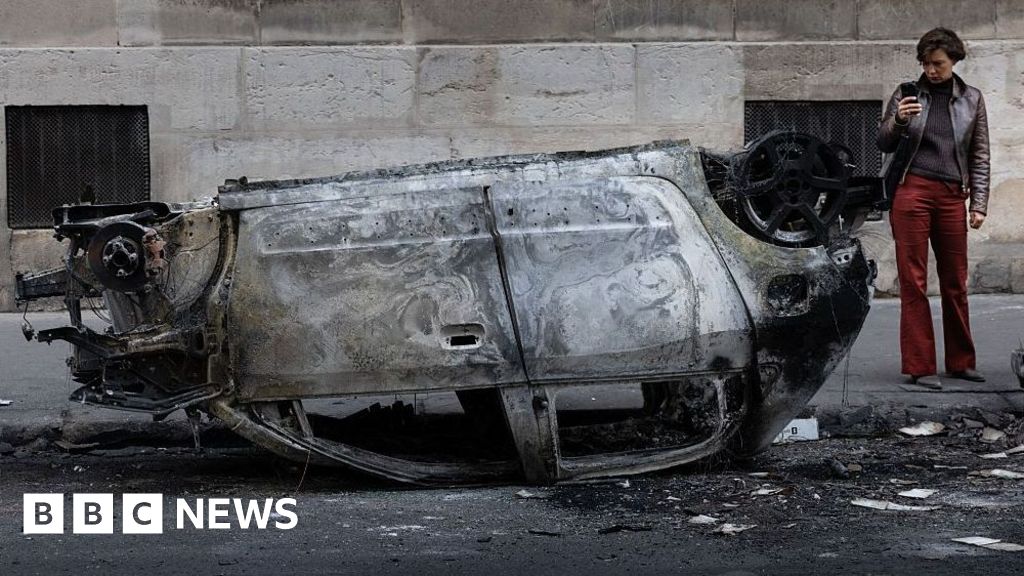
In recent days, Belgium has witnessed a surge in violent protests, particularly in major urban centers such as Brussels and Liège. The unrest has attracted significant media attention and raised discussions about its underlying causes.
Government Response and Concerns
In light of the escalating violence, Belgium’s Interior Minister, Bernard Quintin, has issued warnings regarding what he describes as the “TikTokisation” of violence. This term highlights the rapid dissemination of protest-related videos across social media platforms, which he believes amplifies the reach and influence of such events on vulnerable youth.
Claims Regarding the Sources of Violence
Quintin has further attributed the disturbances to “known far-left groups,” suggesting that organized factions may be exacerbating tensions in the cities. These groups, according to his statements, play a pivotal role in inciting the confrontations seen in recent days.
Implications for Society
The combination of traditional protest dynamics with the modern tools of social media presents new challenges for both law enforcement and community leaders. As the portrayal of violence reaches a younger, impressionable audience, officials are increasingly concerned about the potential for future unrest driven by online narratives.
Conclusion
As Belgium navigates through this phase of civil unrest, the government continues to monitor the situation while addressing the larger implications of social media on public behavior and unrest. The response from law enforcement and community leaders will be crucial in restoring order and preventing further escalation.