


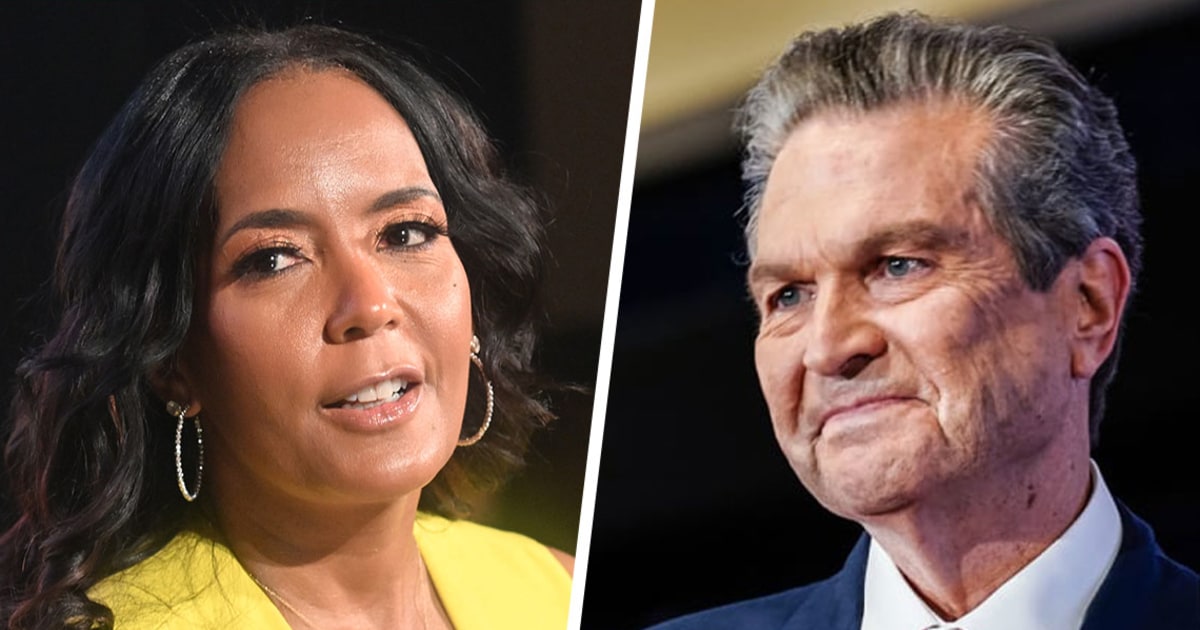
Key Takeaways from the Georgia Gubernatorial Debate: Bottoms vs. Jackson
In their only scheduled debate ahead of the upcoming gubernatorial election in Georgia, Democrat Keisha Lance Bottoms and Republican Rick Jackson engaged in a civil yet dynamic exchange covering economic issues, data center policies, and the influence of former President Donald Trump. As they head toward Election Day, public polling indicates a tight race between the former Atlanta mayor and the billionaire healthcare executive, with early voting set to commence next week.
Debate Structure and Atmosphere
Taking place in a town-hall format, the debate allowed for a mix of questions from both live audiences and pre-recorded submissions from voters. Despite the seriousness of the topics at hand, the candidates maintained a generally respectful tone throughout the hour-long discussion.
Contentious Exchanges on Trump and Leadership
Bottoms took aim at Jackson’s connection to Trump, stating, “My opponent has said he wants to be Trump’s favorite governor. He wants to be Trump with a Southern tone.” She criticized Jackson’s alignment with Trump, particularly regarding federal funding cuts. In retort, Jackson emphasized his independence, asserting, “I don’t owe anybody anything,” and invoked the leadership style of current Governor Brian Kemp multiple times, claiming he also collaborates across party lines.
Critique of Atlanta’s Leadership
Jackson challenged Bottoms’ record as mayor, suggesting her policies contributed to rising inflation in the Atlanta area, which reportedly surpassed national averages during her tenure. He also referenced increased crime rates in Atlanta amid the COVID-19 pandemic, stating, “Bad mayors don’t make good governors,” to illustrate his case against her.
Economic Focus: Affordability and Taxation
Throughout the debate, both candidates were frequently questioned on how they would address economic issues, especially the cost of living.
- Bottoms proposed various tax cuts or suspensions, targeting items such as auto insurance, groceries, and essential hygiene products.
- Jackson reiterated his commitment to reducing state income taxes, property taxes, and utility taxes.
Data Centers and Surveillance Camera Policies
Debate topics also included data centers and the use of Flock surveillance cameras. Bottoms called for a pause on new data center constructions, while Jackson argued for community input and environmental standards before approval of such projects. They traded accusations regarding their past choices related to the development of data centers, with Jackson asserting Bottoms had approved these constructions during her mayoralty.
Regarding Flock cameras, Bottoms expressed openness to a moratorium on installation, in contrast to Jackson, who indicated his opposition to halting their deployment.
Election Security Concerns
The debate touched on election security, a contentious issue in Georgia politics. Bottoms expressed concerns about Trump’s rhetoric surrounding elections, while Jackson deferred to Governor Kemp on the necessity of federal oversight in state elections, saying, “I don’t think that’s necessary unless Gov. Kemp thinks it’s necessary.”
Campaign Dynamics and Financial Disparities
As the campaign advances, Jackson’s financial backing, reportedly contributing millions of his own money, gives him a significant advantage in advertising over Bottoms, with a ratio of 7-to-1, raising concerns among Democrats about their chances of reclaiming the governorship for the first time in 16 years. Bolstering Bottoms’ position, the current political climate, including Trump’s dwindling approval ratings and economic concerns among voters, may influence the race’s outcome.
With just weeks left until the election, both candidates’ strategies and their responses to pressing issues will likely shape the political landscape in Georgia.
