


Mass Protests Scheduled Across Germany by Gen Z Initiative
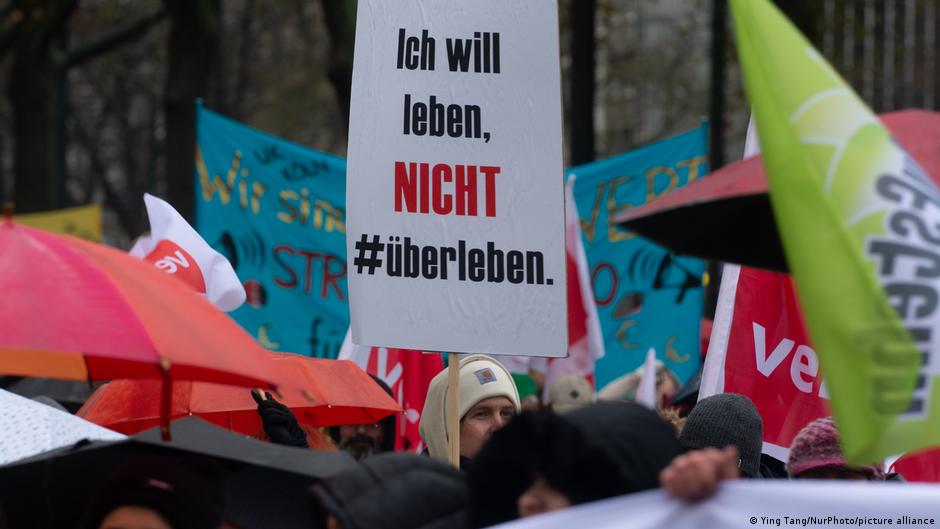
On Saturday, October 31, the youth initiative “Gen Z regelt” (translated as “Gen Z’s Got It”) has announced plans for widespread demonstrations in 21 cities throughout Germany, including major urban centers such as Berlin, Cologne, Hamburg, and Munich. This movement aims to draw attention to several pressing issues impacting the younger generation.
Primary Issues of Concern
Participants in the planned protests are expected to voice their frustration over a variety of topics, including:
- Inadequate educational facilities
- Austerity measures
- Rising living costs
- Social inequities
- Climate change
- Military conscription
Context of Recent Protests in Europe
This initiative emerges in the shadow of recent protests in France, which escalated into violence and destruction, stemming from similar frustrations related to the national education system. The unrest in France attracted various unions and activist groups, amplifying calls for change across multiple societal issues.
Gen Z regelt’s Stance on Violence
Importantly, Gen Z regelt’s official position is firmly against any form of violence, whether directed at individuals or property. The organization emphasizes a commitment to peaceful demonstration.
Police Preparedness and Public Safety
In light of the impending protests, law enforcement officials have expressed their readiness to maintain order. The police have stated they are “vigilant and relaxed,” focusing on protecting the demonstrators’ rights to assemble and voice their perspectives. However, authorities remain cautious, particularly given the recent violent protests seen in neighboring countries.
Andreas Roßkopf, the head of the German Federal Police’s GdP union, has made it clear that the police will respond decisively to any potential disturbances, asserting, “state, but also federal police, will offer a firm and decisive response” to any incidents of rioting.
Concerns Over Extremism
There are warnings from policymakers and police about the risk of extremist groups infiltrating the protests. Roßkopf noted that radicals may attempt to merge with the larger crowds to incite violence against law enforcement or engage in destructive behavior.
Conclusion
As protests approach, it remains critical to observe the developments both in Germany and internationally, where youth movements are increasingly vocal about their demands for social and systemic change.