


Disruption of the Videostrong Botnet: An In-Depth Overview
In a significant cybersecurity initiative, Google collaborated with various organizations, including Japan’s National Police Agency, Synthient, and Trend Micro, to dismantle the x.cpe botnet network. This collaborative effort culminated in legal actions aimed at shutting down the domains and servers utilized by Videostrong for malware operations. As part of this operation, Google targeted command-and-control servers affiliated with Videostrong, which were linked to multiple malware campaigns.
Impact on Compromised Devices
Google’s intervention has reportedly severed Videostrong’s connections to approximately 10 million compromised devices. Though this disruption is a positive step towards securing these devices, users should remain vigilant. Specifically, Google notes that the Play Protect feature remains disabled, and remnants of malware—integrated as system applications—cannot be easily uninstalled by users.
Monitoring the Threat Landscape
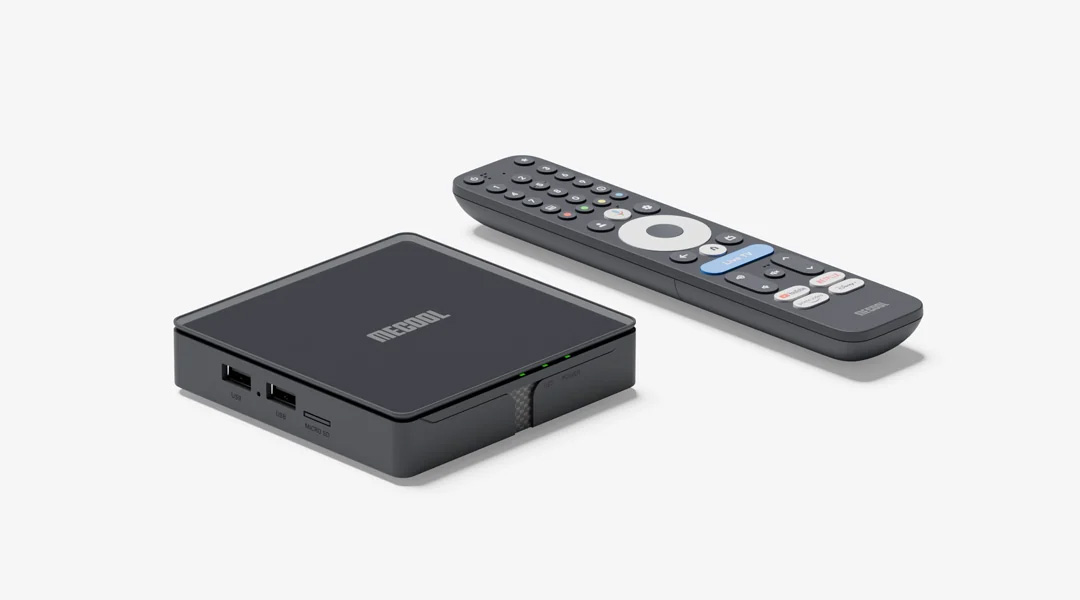
According to a disclosure from Synthient, a list of 182 device models identified as being part of the botnet has been made available to consumers. Individuals who have purchased MECOOL or generic Android TV boxes from unknown providers are advised to verify their devices against this list. Trend Micro’s research has painted an alarming picture, indicating a total of 1,472,554 infected devices, surpassing Google’s estimates. The largest concentrations of infected devices were found in Brazil, Malaysia, Iraq, Mexico, and Taiwan, while significant numbers were also detected in countries such as the United States, Germany, the United Kingdom, Australia, and Canada.
Corporate Consequences and Future Safeguards
Google has confirmed that the operation was sanctioned on a larger scale than the activity of a lone rogue actor. As a result, Google has ended its partnership with Videostrong, prohibiting the company and its subsidiaries from utilizing Google’s Android applications and services. To enhance security, Google is revising its device certification protocols to prevent similar breaches in the future. While the Android operating system remains open source, this change is aimed at mitigating risks associated with uncertified Android devices.
Despite these advancements, Videostrong may persist in distributing malicious devices under different brand names that lack Google applications. However, they would be forced to initiate their malware operations anew, significantly hindering their effectiveness.
