


Enhanced Earthquake Alerts Coming to Android
Google is rolling out a significant update to its Android earthquake alert system, aimed at enhancing user experience and broadening its reach to over 200 regions worldwide. This expansion marks an increase from the previous 98 regions supported by the system.
Introduction to Android’s Earthquake Alert System
Launched in 2021, the earthquake alert feature utilizes the sensors embedded in Android devices to detect initial tremors of an earthquake. This technology has proven to be life-saving, having issued over one billion alerts despite some inaccuracies in earlier alerts.
Major Updates in the Alert System
As part of the update launched today, notable additions include:
- Increased regional support, expanding to 200 regions globally, including new countries like Panama and Guatemala.
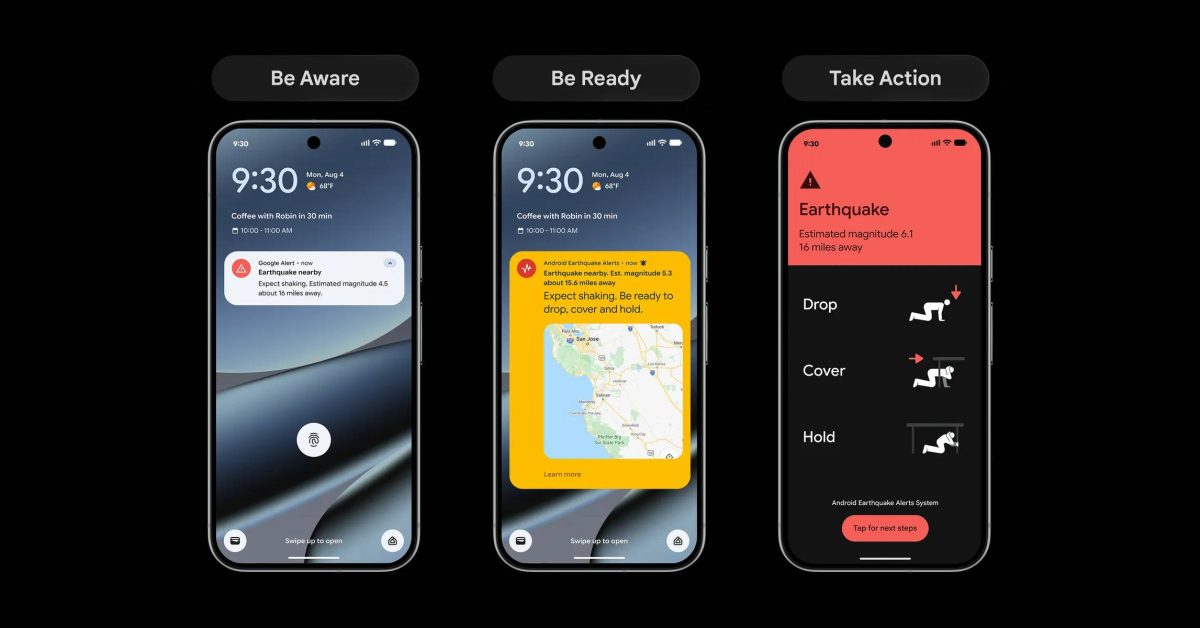
- Improved alert design, particularly in the “Be Ready” step, which now provides comprehensive details about the earthquake’s epicenter and its estimated magnitude.
Types of Alerts
The updated system categorizes alerts into three distinct types, each designed to communicate urgency and action effectively:
Be Aware: A basic notification indicating light shaking detected nearby.
Be Ready: More specific alert for stronger shaking, advising users to prepare for potential action.
Take Action: A critical alert issued during moderate to heavy shaking, providing immediate safety advice.
Looking Ahead
Google has expressed its commitment to further enhancing the system with future updates. Users can expect to see a map displaying the range of detected shaking, estimated earthquake strength, and actionable recommendations to improve overall safety. Enhanced information about each event will also be available as data is collected.
Conclusion
This update not only broadens the safety net for individuals in earthquake-prone regions but also reflects Google’s ongoing efforts to utilize technology for user safety and community support.
Further Reading
For additional insights, follow tech updates and announcements through platforms like Twitter, Threads, Bluesky, and Instagram.
