


France Faces Surge in Cyberattacks: Financial Institutions and Healthcare Systems Targeted
Recent reports indicate that France is experiencing a spike in high-profile cyberattacks affecting various sectors, notably financial institutions and critical healthcare services. One of the most significant incidents involved Crédit Mutuel Arkéa, a major banking group in the country, which has confirmed unauthorized transactions and theft of funds.
Cyber Heist at Crédit Mutuel Arkéa
Details surrounding the attack on Crédit Mutuel Arkéa remain limited. However, preliminary findings suggest that cybercriminals executed fraudulent transactions that resulted in the loss of money from the bank. While the financial institution has not disclosed the exact amount stolen, it has indicated that the losses are less than the $133 million figure mentioned by CoinDesk. A spokesperson from the bank asserted that the stolen amount “is not of a nature to undermine the Group’s financial strength and soundness.”
Following the incident, blockchain investigator ZachXBT identified Crédit Mutuel Arkéa as a victim of the alleged theft. His early warnings about the hack noted that funds were siphoned from accounts at cryptocurrency exchanges in the form of US dollars, utilizing stablecoins like USDC and USDT. The criminal operation reportedly involved laundering the stolen funds through various cryptocurrencies and exchanges, including conversions to Monero, a privacy-centric digital currency, to obscure the transaction trail.
Wider Implications for Cybersecurity in France
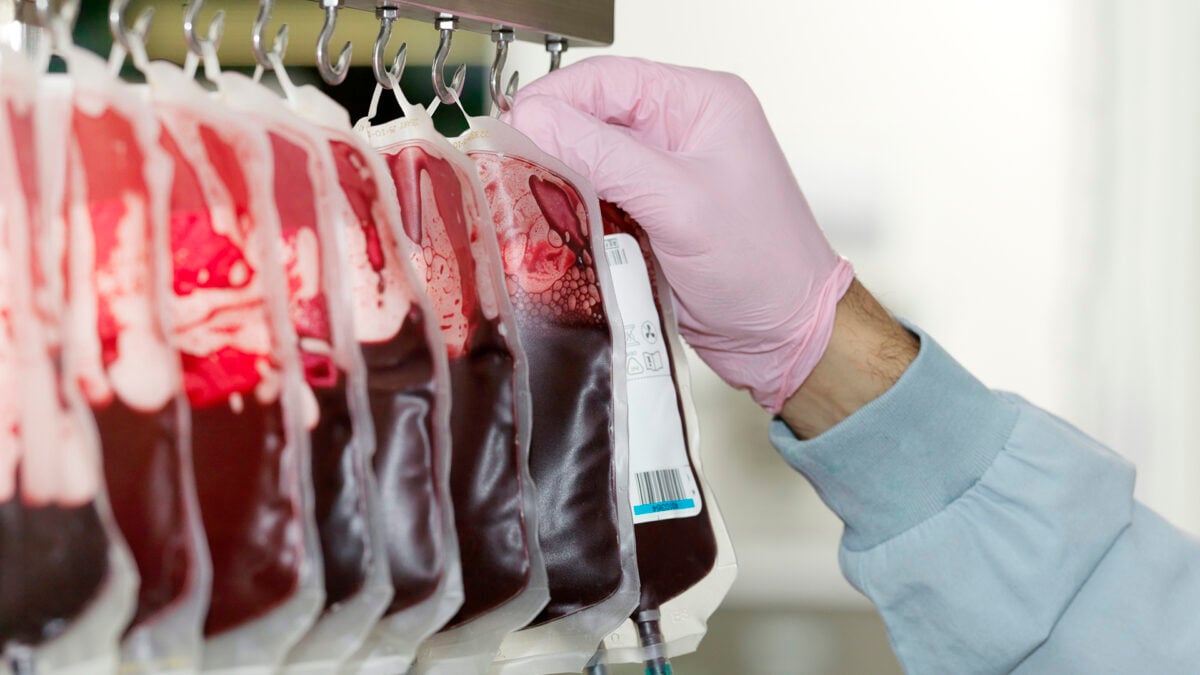
This incident is part of a larger trend of cyberattacks affecting multiple sectors throughout France. Notably, refrigeration systems at three facilities operated by the national blood service were compromised by hackers. Instead of targeting finances, these attackers aimed to disrupt essential medical services by tampering with the temperature settings of storage systems used for blood products.
French authorities managed to identify the alterations early and took corrective action to protect the integrity of the blood supply. Nonetheless, this type of attack raises serious concerns; unlike monetary assets, biological products are irreplaceable immediately and can pose severe risks to patient health if compromised.
Conclusion
The recent surge in cybercrime in France underscores the urgent need for enhanced cybersecurity measures within both the financial and healthcare sectors. As the scope and impact of these attacks grow, stakeholders must remain vigilant to protect critical resources and maintain public trust.
