


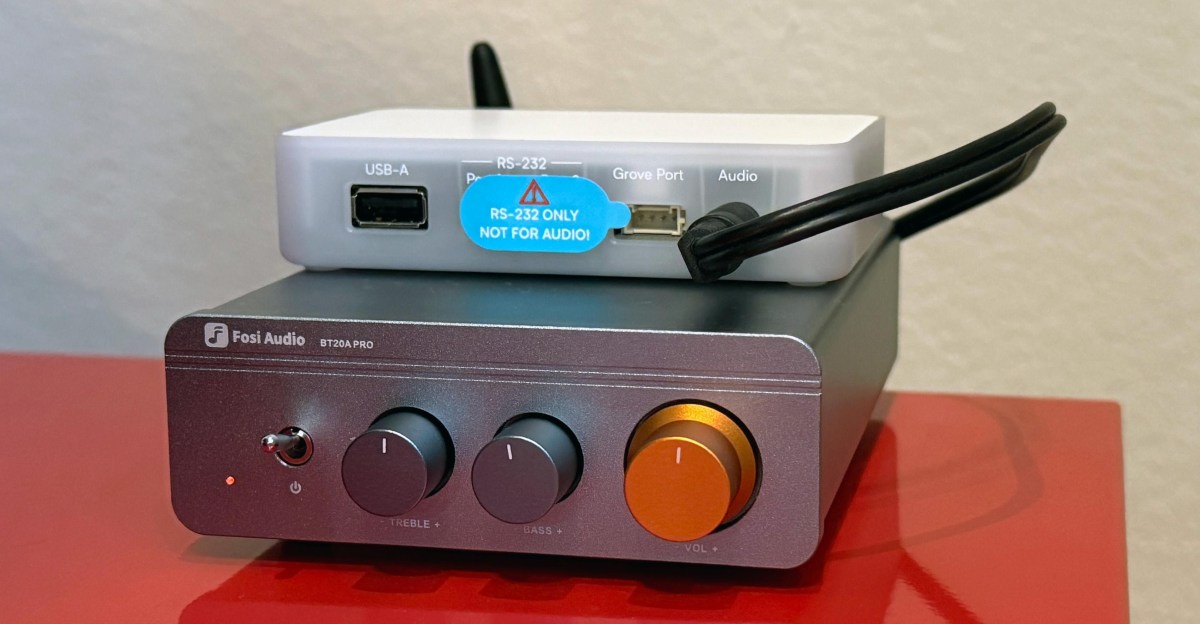
Exploring the Home Assistant Connect Aux-2: Integrating Traditional Devices into Smart Homes
Introduction to Home Assistant Connect Aux-2
Nabu Casa, the commercial arm of the Open Home Foundation behind Home Assistant, recently unveiled the Home Assistant Connect Aux-2. This innovative device serves as a multifunctional gateway aimed at simplifying the integration of non-smart devices into smart home systems. This launch is a part of Home Assistant’s commitment to improving user accessibility and interaction.
Specifications and Setup
The Aux-2 is a compact device, similar in size to a deck of cards, retailing for approximately $69. It is equipped with a variety of connectivity options, including:
- 2.4GHz Wi-Fi
- Bluetooth
- Ethernet
- USB-A and USB-C ports
- A digital/analog audio jack
- A Grove port for connecting peripherals such as buttons and sensors
- Two RS-232 serial ports
Setting up the Aux-2 is straightforward. Users can connect it via USB-C to a computer to install the latest firmware and input Wi-Fi credentials before finalizing the setup through the Home Assistant interface.
Key Features and Functionalities
The Aux-2 enhances Home Assistant’s capabilities by enabling the use of Bluetooth devices, as well as providing additional functionality through USB ports for Z-Wave or Zigbee antennas. This is especially useful for users whose Home Assistant hubs are not optimally located. The device also facilitates the control of various devices like TVs and audio systems via its serial connectors and allows for music streaming to traditional audio equipment through its audio jack.
Leveraging Open-Source Technology
Building on the principles of open-source technology, the Aux-2 utilizes ESPHome, a platform for developing DIY smart home devices. This integration with Home Assistant allows for a seamless user experience, leveraging existing features for broader functionality. Notably, developments such as serial integration and music assistance are continuously being improved to enhance user experience.
User Experience: A Case Study
One user shared their experience with the Aux-2, highlighting its role in monitoring their garage refrigerator, crucial for food preservation in a hot climate. Previously reliant on unreliable battery-operated sensors, this user was able to effectively incorporate Bluetooth-enabled Govee hygrometers into their Home Assistant setup through the Aux-2. Additionally, the Aux-2’s audio capabilities allowed them to finally utilize in-wall speakers that had been dormant for years.
Installation and Configuration
The installation process was described as user-friendly. Users received prompts for setting up ESPHome, successfully integrating Govee Bluetooth sensors, and maintaining their connections despite physical barriers. The audio functionality, allowing for music playback to traditional speakers, took slightly longer but was ultimately manageable, taking under thirty minutes to configure properly.
Future Potential and Community Empowerment
Although the Aux-2 offers compelling features, such as serial control—enabling connections to a variety of appliances like TVs and solar inverter systems—some users have emphasized that the device does not perform tasks impossible with DIY alternatives. It exemplifies the open ecosystem Nabu Casa supports, combining user accessibility with the freedom to innovate.
Conclusion
The Home Assistant Connect Aux-2 stands as a significant advancement in merging traditional and smart technologies, particularly for those seeking to enhance their smart homes without discarding existing devices. As users navigate through its comprehensive features, the potential for increased automation and integration into diverse environments becomes evident.
