


Challenges to the National Historic Preservation Act: A 60-Year Retrospective
As we commemorate the 60th anniversary of the National Historic Preservation Act (NHPA), signed by President Lyndon B. Johnson on October 15, 1966, the preservation community is sounding alarms over potential threats to this landmark legislation.
Johnson’s declaration to “give part of our country back to its people” has drawn sharp contrasts over the years, especially within the context of recent governmental proposals that critics argue could undermine public power and historical site protections.
Current Threats to Preservation
Preservation advocates contend that the current administration is undermining the principles of the NHPA, particularly through the weakening of Section 106 reviews—a critical mechanism that mandates federal agencies consult with states, tribes, and stakeholders before proceeding with projects that may harm historical sites.
“Preservation, from its inception, has worked best with public and private partnership,” stated Brent Leggs, President and CEO of the National Trust for Historic Preservation. He emphasized that over the last year and a half, the federal government has increasingly divested its responsibilities, straying from the foundational ideals established in 1966.
Section 106: A Crucial Element of NHPA
Section 106 plays a vital role in safeguarding America’s historical landmarks. Through a review process that has successfully averted numerous threats to historical buildings and archaeological sites, Section 106 is regarded as the “teeth behind the NHPA.” Elihu Rubin, a Yale professor, elaborated that this review process is not merely a formality; it often uncovers the historical value of sites that would otherwise be neglected. Rubin noted that “we gain a lot from that process,” emphasizing its importance.
However, these protections are facing dual pressures. A council populated by appointees from the current administration voted to relax Section 106 regulations, and a bipartisan proposal within Congress aims to streamline the permitting process, potentially stripping essential public and tribal input from infrastructure projects.
A Growing Coalition for Protection
In response to these threats, a coalition under the banner “Section 106 Strong” has mobilized, comprising over 1,000 organizations, including environmental, civil rights, and religious groups, along with Tribal Nations that represent over 9 million Americans. Greg Werkheiser, a leading lawyer in the coalition, noted a groundswell of support among communities that have witnessed their historical identities facing alteration or erosion.
Historical Context of Preservation Efforts
The need for robust preservation measures emerged as a response to significant destruction during the Great Depression and a series of urban renewal projects post-World War II, which often resulted in the loss of entire neighborhoods and historical landmarks, including New York City’s original Penn Station. Marked by these destructive patterns, the NHPA was introduced as a framework to identify and preserve critical historical resources.
Implications of Proposed Changes
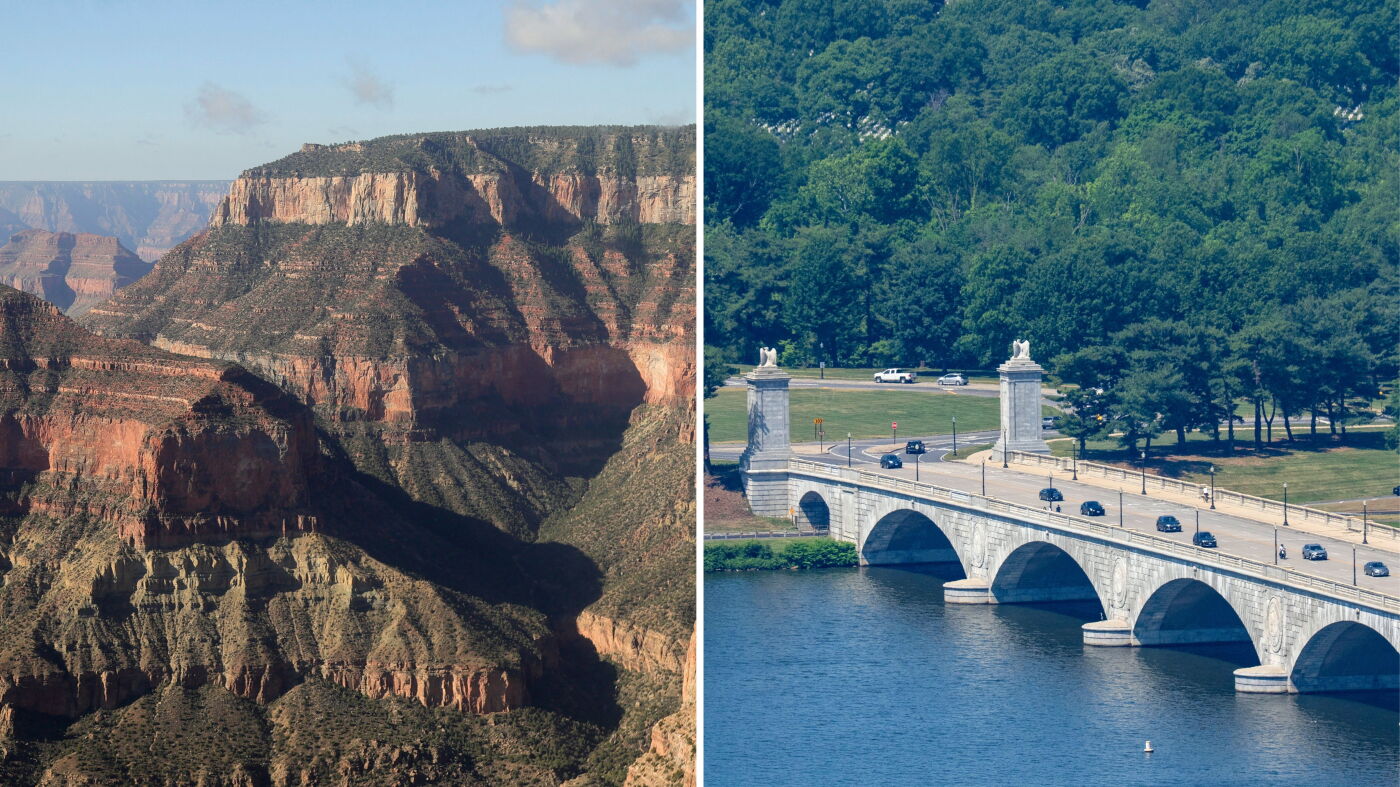
Proposed amendments to the NHPA would significantly alter the landscape of preservation, as they seek to redefine what constitutes a historic resource, limiting considerations to specific property types and potentially sidelining significant features like the Grand Canyon. Valerie Grussing of the National Association of Tribal Historic Preservation Officers (NATHPO) warned that such changes risk silencing tribal voices that have been central to historic preservation discussions since their inclusion in 1992.
Efforts are underway to convey these concerns to Congress. Grussing stated, “The changes that are being proposed now would represent an enormous and devastating setback… to pre-1966 historical preservation.”
Future Outlook and Call to Action
As federal and congressional actions threaten to reshape the fabric of historic preservation, advocates urge citizens to engage and advocate for these critical protections. The significance of historic sites extends beyond mere constructs; they embody the stories and lessons of the past that shape our collective identity.
Chris Cody from the National Trust for Historic Preservation warns, “At the end of the day, it’s about whether or not the federal government can come into your backyard and do whatever they want,” emphasizing the need for citizens to remain vigilant and proactive.
