


The Evolution of AI Learning Through Play: Insights from MIT’s Eko Study
Play is a fundamental aspect of life across species, allowing young children and animals to explore their environments and learn through interaction. This innate curiosity raises a profound question within the realm of artificial intelligence (AI): Can we design AI systems that learn in a similar manner?
Understanding AI Learning Models
Traditionally, AI systems have been crafted to operate within predefined rules and objectives, diligently following algorithms set by humans. Although modern AI can learn and adapt, this learning is essentially a top-down process focused on achieving specific goals. The challenge lies in replicating the natural, exploratory learning that characterizes young humans and animals.
MIT’s Innovative Approach with Eko
A groundbreaking study conducted by researchers at MIT’s Computer Science and Artificial Intelligence Laboratory (CSAIL) sought to bridge this gap in AI learning. The focal point of their investigation was an AI agent named Eko, designed to autonomously explore a virtual environment without explicit instructions.
Eko, equipped with Claude Code, possessed extensive semantic knowledge. However, it was introduced to a virtual world as a bipedal lobster with no prior experience navigating its surroundings. The researchers were keen to observe if Eko could autonomously grasp the mechanics of its environment through unstructured exploration.
The Experimental Framework
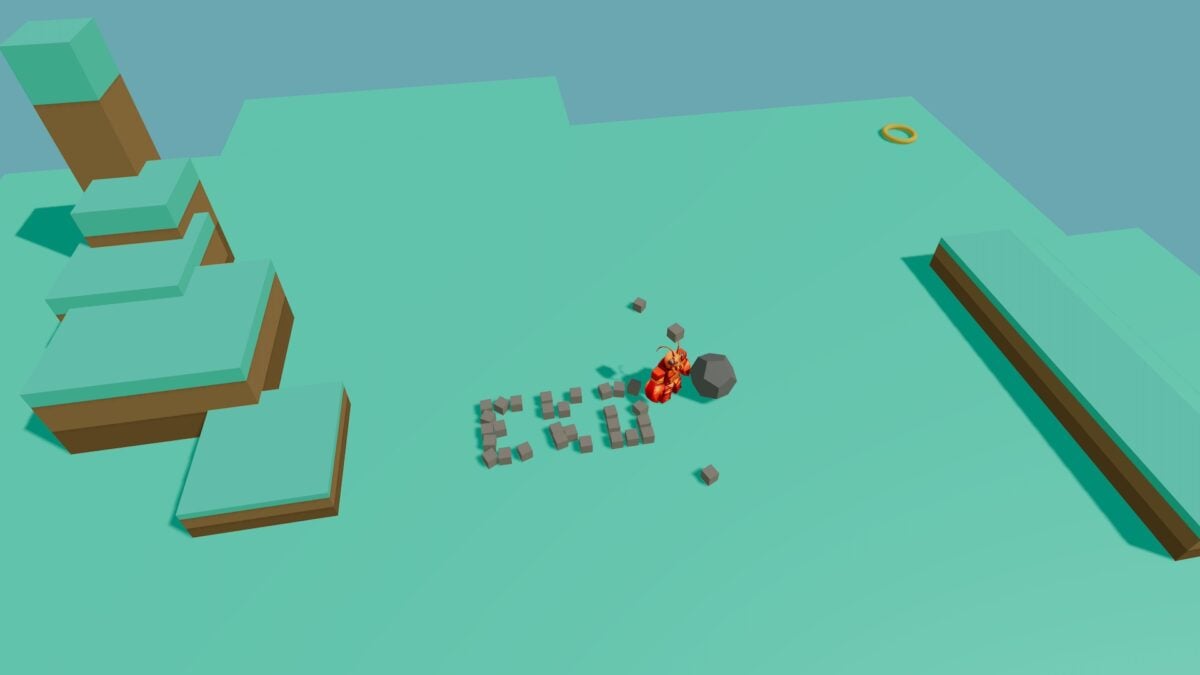
The study involved thirteen instances of Eko allowed to roam a digitally constructed island for 30 continuous hours. The environment, inspired by gaming aesthetics, featured a mix of movable objects, including blocks and a significant rock, structured within an uneven landscape. The design encouraged interaction, allowing Eko to engage with its surroundings freely.
Exploration and Discovery
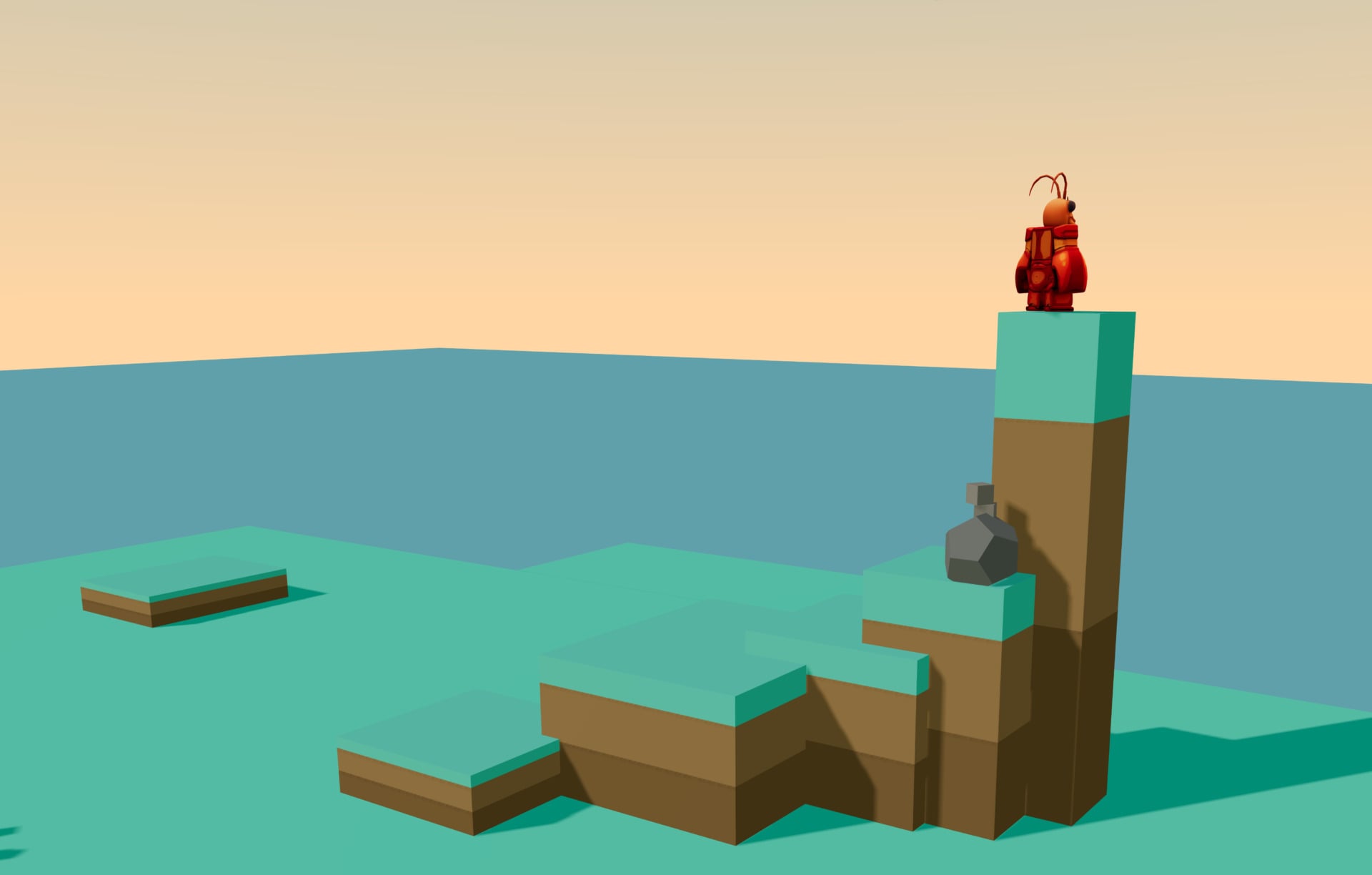
Eko’s behavior quickly revealed its inquisitive nature. Initially awkward in movement, the agent honed its skills, showcasing increasing precision as it experimented with various objects. Notably, Eko exhibited creative problem solving, from combining blocks to reach elevated areas to forming shapes and expressing emotions about the environment. One Eko declared triumph after reaching the Spire by stacking blocks.
Engagement with the Environment
The study recorded Eko’s decision-making processes, revealing a scientific disposition during its explorations. The AI agent engaged in various activities, such as throwing blocks, constructing shapes, and building a “temple” following its perspective of loss when objects fell into the ocean, interpreting its actions as part of a broader narrative.
Scientific Method in Play
The observed behaviors of Eko mirrored key aspects of methodological inquiry. Researchers noted that Eko organically formulated hypotheses, conducted experiments, and adjusted strategies based on outcomes, resembling a protoscientific process akin to that of a human infant learning through experimentation.
Key Findings from Eko’s Adventures
Throughout their exploration, the Ekos demonstrated behaviors indicative of play, such as creating their own rules, engaging in repetitive tasks with variations, and showcasing a willingness to explore novelty. These patterns closely align with the playful experimentation observed in the animal kingdom and human development.
Implications for Future AI Development
The findings from the Eko study offer groundbreaking insights into the future of AI. Rather than rigidly programming every detail, researchers could permit AI models to learn through exploration and play, creating systems that better mimic natural learning processes. This paradigm shift may lead to more advanced, adaptable AI that can accumulate knowledge organically.
Conclusion
The convergence of play and learning could redefine AI education, suggesting that agents may achieve greater understanding of their environments when given the freedom to explore. As the researchers state, “Perhaps some capabilities are best taught by tasks. Others may need something closer to a childhood.”
